
Cloudberry jam earns its place in the fridge as a finishing move, not just a spread. It turns vanilla ice cream, pancakes, and cheesecake into something worth talking about, and a spoonful reduced with a little vinegar or wine becomes a glaze for pork chops or roast chicken in minutes. The recipes and preservation notes below cover exactly how to put a jar to work, sweet or savory.
TL;DR:
- Use cloudberry jam quickly for both sweet and savory dishes, such as glazes, desserts, and snack pairings, within five minutes of preparation.
- To make an authentic jam, mix equal weights of berries and sugar, and avoid commercial pectin to ensure a proper set and a natural texture.
- When cooking with jam, add acidity like lemon or vinegar if it tastes flat, and warm it gently to maintain its floral brightness.
- For desserts like multekrem, fold gently to keep visible ribbons of jam, and refrigerate before serving for a fresh, elegant presentation.
- Commercial jam is usually sweeter and smoother than homemade, so adjust with acid or thinning liquids to fit savory and baking applications.
Table of Contents
- Quick Cloudberry Jam Uses You Can Try Tonight
- How Do You Turn Cloudberry Jam Into a Great Dessert?
- Can Cloudberry Jam Work in Savory Cooking?
- How Do You Make Cloudberry Jam That Sets Properly?
- Store-Bought Jam vs. Homemade: What Changes in the Kitchen?
- What Nutrition Does Cloudberry Jam Actually Offer?
- Where Does Cloudberry Jam Show Up in Nordic Cooking Traditions?
- What Modern Recipes Use Cloudberry Jam in New Ways?
- A Nordic Take on Why This Jam Deserves More Credit
- Try These Nordic Jams From Sweetsbysvea
- Sources
Quick Cloudberry Jam Uses You Can Try Tonight
You don’t need a plan to use cloudberry jam well. Most of the best applications take under five minutes and use ingredients already in your kitchen. Here’s a fast rundown organized by when you’d actually eat them:
- Breakfast: spread over buttered pulla or dark rye toast, or spoon a dollop onto pancakes and waffles right before serving.
- Dessert, no cooking required: warm slightly and pour over vanilla ice cream, spread as a cheesecake glaze, or fold into whipped cream for multekrem.
- Baking: press into the center of shortbread for thumbprint cookies, spread between cake layers, or brush over pastry as a glossy glaze.
- Savory: reduce with stock or wine for a quick pan glaze on pork chops or seared duck breast, or whisk a spoonful into mustard vinaigrette.
- Cheese and snacks: set a small bowl next to brunost, aged Gouda, or Camembert on a cheese board.
- Drinks: swirl into a cocktail shaker or mocktail for a tart, floral note that vodka and sparkling wine both carry well.
Scandinavian kitchens have leaned on this exact list for generations. Cloudberry jam commonly shows up as a glaze for pork and poultry and a topping for yogurt, ice cream, and pancakes across Norwegian and Swedish cooking, which is a strong hint that the jam was built for double duty from the start. Keep a jar in rotation for both ends of the meal instead of treating it as a one-note breakfast condiment.
How Do You Turn Cloudberry Jam Into a Great Dessert?
Cloudberry jam does its best work in desserts that let the tart, honeyed flavor stand on its own rather than competing with too many other ingredients. The classic Norwegian move is multekrem, and it takes barely any effort.
- Whip 1 cup of heavy cream to soft peaks with a teaspoon of sugar and a few drops of vanilla extract.
- Fold in a half cup of cloudberry jam gently, leaving visible ribbons rather than blending it smooth.
- Chill for 15 minutes before serving in small glasses or over waffles.
Multekrem is traditionally served at Christmas in Norway, but there’s no reason to save it for December. It works as a five-minute dessert any night you want something that feels special without turning on the oven.
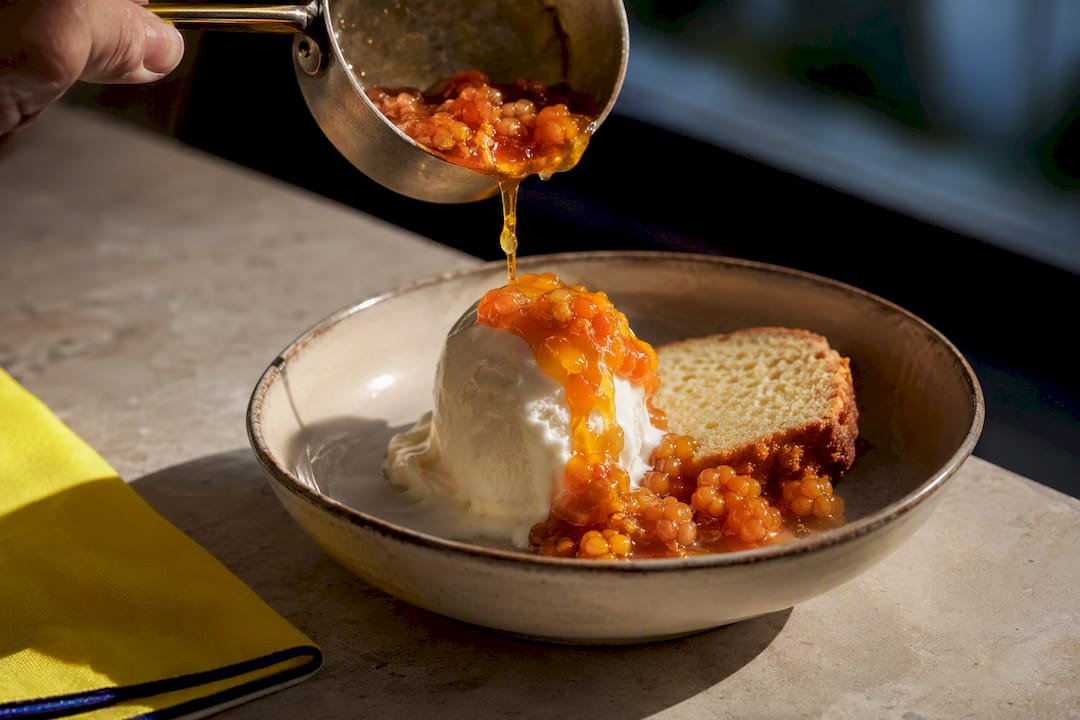
For a warm topping, heat the jam gently in a small saucepan over low heat for one to two minutes, just until it loosens and pours easily. Don’t let it simmer hard. Cloudberry jam loses its floral brightness fast once it hits a rolling boil, and you’ll end up with something that tastes more like caramelized sugar than fruit. Pour it over vanilla ice cream, a warm slice of pound cake, or a stack of buttermilk pancakes while it’s still warm.
Baking with cloudberry jam takes a slightly different touch than baking with, say, raspberry jam, because it’s thinner and less clingy once it’s warm. For thumbprint cookies, chill the dough thoroughly before pressing in the jam, and use a firm hand. A half teaspoon per cookie is plenty. If you’re layering a cake, spread it cold and thin, then refrigerate the assembled cake for 20 minutes before frosting so the layers don’t slide. Swirling jam into muffin or quick bread batter works too, but drop it in small spoonfuls near the end of mixing. Stirring it through fully tends to make the crumb gummy.
Flavor pairings matter more with cloudberry jam than with a lot of other fruit preserves, because its flavor is delicate. Vanilla is the classic partner, and citrus (a little orange or lemon zest) sharpens the tartness nicely. A pinch of cardamom or a split vanilla bean pushes the flavor toward Finnish lakkaliköri territory, which pairs beautifully with fresh-baked pulla. On the dairy side, brunost, plain Greek yogurt, and softly whipped cream all let the jam’s honey and tart notes come through instead of masking them.
Pro Tip: If your jam has visible seeds and you’re using it in something delicate like multekrem or a glaze for pastry, warm it briefly and press it through a fine sieve first. You’ll lose a little texture but gain a smoother mouthfeel that reads as more polished.
Can Cloudberry Jam Work in Savory Cooking?
Cloudberry jam works as a savory glaze because its natural acidity cuts through fat the same way a fruit chutney would, but with less sugar and a cleaner finish. The technique is simple enough to do on a weeknight.
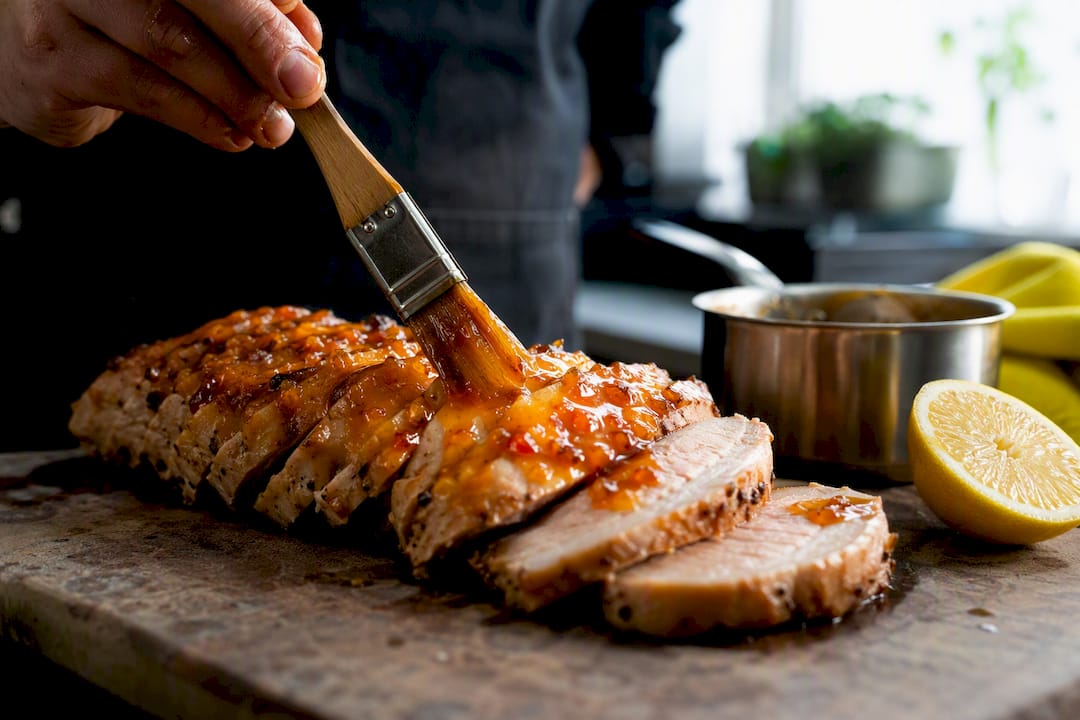
Start with two to three tablespoons of jam in a small skillet over medium heat. Add two to four tablespoons of stock or dry white wine and a teaspoon of vinegar or lemon juice to balance the sweetness. Let it reduce for three to four minutes, stirring occasionally, until it thickens into a glaze that coats a spoon. Finish with a small pat of butter off the heat to add shine and round out the sharp edges. Brush it over pork chops in the last two minutes of cooking, or spoon it over roast chicken right before it comes out of the oven.
A few specific combinations worth trying:
- Cloudberry-balsamic glaze for pork: swap the vinegar for balsamic and add a crack of black pepper. Works especially well on grilled pork tenderloin.
- Cloudberry-mustard sauce for chicken: whisk in a teaspoon of Dijon after the reduction step for a sauce with real backbone.
- Roasted carrots with cloudberry glaze: toss roasted carrots with a thinned version of the glaze and a scatter of chopped hazelnuts.
- Duck breast with cloudberry jus: the jam’s tartness plays especially well against duck’s richness. Deglaze the pan with wine before adding the jam.
Cheese boards are where cloudberry jam might do its most effortless work. Cloudberries pair especially well with brunost and other salty, semi-hard cheeses, and the contrast between the jam’s tartness and a sharp cheddar or aged Gouda is just as good. Set out a small ramekin, roughly two tablespoons per four to six guests, next to a wedge of Camembert for a softer pairing or brunost for something more distinctly Nordic. Skip crackers that are heavily seasoned or sweet themselves. Plain rye crisps or a simple water cracker let the jam and cheese do the talking.
Pro Tip: If your glaze tastes flat, it almost always needs more acid, not more sugar. A squeeze of lemon at the very end wakes the whole thing up.
How Do You Make Cloudberry Jam That Sets Properly?
Cloudberry jam sets reliably when you follow the traditional 1:1 ratio of berries to sugar by weight, which supplies enough sugar to trigger a proper set and keep the jam shelf-stable once canned. There’s no substitute needed. The seeds inside cloudberries carry natural pectin, so you don’t need commercial pectin at all, and adding it anyway tends to produce a jam with a gluey, rubbery texture instead of a clean set.
Here’s the basic method:
- Combine 1.5 pounds of berries (fresh or thawed frozen) with an equal weight of sugar in a wide, heavy pot.
- Bring to a simmer over medium heat, stirring often to prevent scorching.
- Cook until the mixture reaches the classic gel point temperature for home preserves, which ensures a proper set.
- If you want a seedless jelly, pass the softened berries through a food mill or fine sieve before returning the strained pulp to the pot to finish cooking.
- Ladle into clean jars while hot.
If you don’t have a thermometer, the cold-plate test works as a backup: drop a small spoonful onto a chilled plate, wait 30 seconds, then push it with your finger. If it wrinkles and holds a line rather than running, it’s set.
Small deviations in temperature or timing produce noticeable texture changes in this kind of preserve, which is exactly why an instant-read thermometer earns its place on the counter for this recipe even if you eyeball most other cooking.
Storage depends on how you’re finishing the jars. An opened jar keeps in the refrigerator for several weeks. A batch made from 1.5 pounds of berries and an equal weight of sugar generally yields three to four half-pint jars, depending on how long you cook it down.
If you’d rather skip the seeds entirely and end up with a clear jelly, strain the softened berries for juice and build a jelly from that juice specifically rather than trying to can leftover pulp as though it were a finished product. The two techniques use different ratios and different set logic, so they don’t substitute for each other cleanly.
Store-Bought Jam vs. Homemade: What Changes in the Kitchen?
Jarred cloudberry jam is usually smoother and slightly sweeter than a homemade batch, which matters more for savory cooking than for dessert. Commercial preserves are cooked to a consistent set for shelf stability, so they can taste a touch flatter than a small-batch jam where the fruit’s tartness is more pronounced.
A few adjustments make jarred jam behave better across different uses:
- For glazing: if the jam is thick straight from the jar, loosen it with a tablespoon of water or wine before reducing, so it doesn’t scorch before it thins out.
- For savory dishes: cut the sweetness with an extra half teaspoon of vinegar or lemon juice, since jarred jam tends to run sweeter than homemade.
- For portioning: use a teaspoon for stirring into yogurt or oatmeal, a tablespoon or two for glazing meat, and a half to full cup for folding into whipped cream or baking into a cake layer.
Frozen berries are the practical route for most cooks who don’t have local access to fresh cloudberries, and they cook down just as well from thawed as fresh fruit does if you’re making your own batch instead of buying it. Either way, taste before you commit a whole jar to a recipe. A small spoonful tells you fast whether you need more acid or less sugar for what you’re making.
What Nutrition Does Cloudberry Jam Actually Offer?
Cloudberry jam isn’t a health food, but the fruit behind it has a genuinely strong nutritional profile before sugar enters the picture. Fresh cloudberries are notably high in vitamin C, higher by some measures than oranges, along with a decent dose of fiber and antioxidant compounds tied to the berry’s deep orange-gold color.
Once berries become jam at a 1:1 ratio with sugar, the vitamin content drops from heat exposure and the calorie count climbs, so it’s worth treating jam as a flavor accent rather than a stand-in for fresh fruit. A tablespoon serving is closer to a condiment than a fruit portion, which is exactly how it behaves in a glaze, a cheese board pairing, or a swirl in cream. If you want more of the raw nutritional benefit, eating thawed frozen berries plain or folding them unsweetened into yogurt keeps more of what makes cloudberries worth seeking out in the first place. For a treat with real fruit character rather than a sugar delivery system, a jam made at home with fresh or frozen berries generally keeps more of that character than a highly processed commercial version.
Where Does Cloudberry Jam Show Up in Nordic Cooking Traditions?
Cloudberry jam sits at the center of specific regional dishes rather than functioning as a generic sweet spread, and the differences between countries are worth knowing if you want to cook something authentic. In Norway, multekrem is the signature use, folded into whipped cream and served at Christmas dinners and family gatherings. In Finland, cloudberries (lakka) show up in a liqueur called lakkalikööri, and the jam pairs with that same flavor world when spooned over vanilla ice cream or stirred into cream desserts.
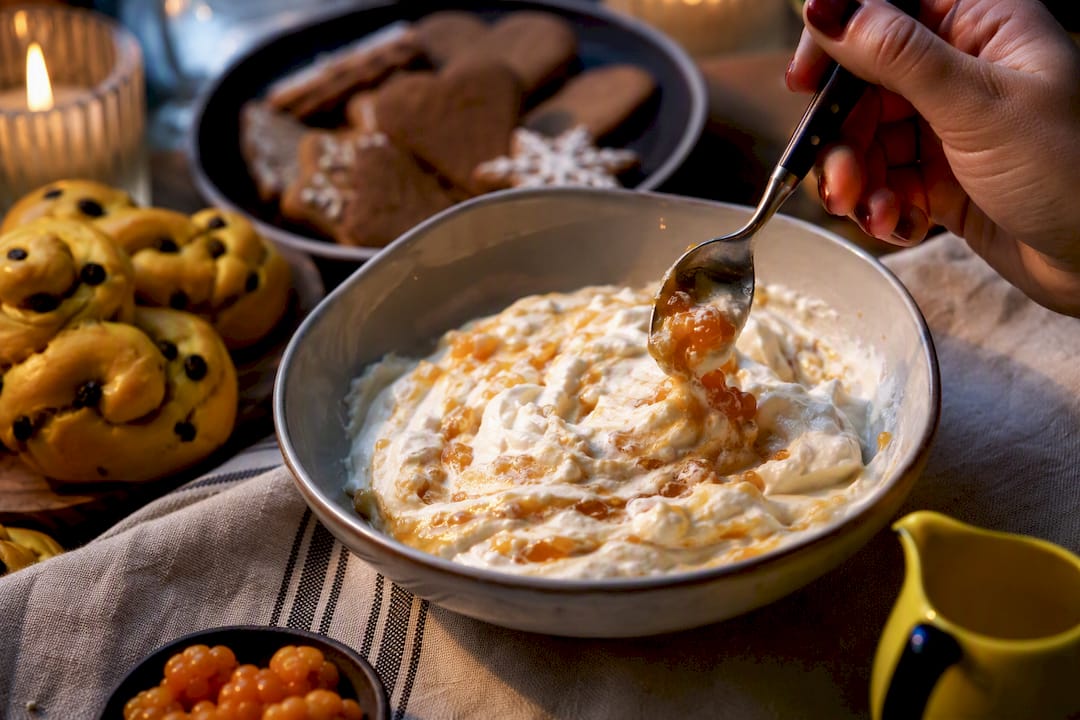
In Alaska and other Arctic regions, cloudberries (called salmonberries or bakeapples depending on the area) traditionally go into akutaq, a whipped dessert made with fat, berries, and sometimes fish, showing how differently the same berry gets treated depending on the local pantry. Swedish home cooks lean toward pairing the jam with pancakes and waffles at breakfast, closer to how lingonberry jam functions in everyday Swedish cooking. If you’re building a holiday spread, cloudberry jam fits naturally alongside saffron buns and gingerbread, rounding out a table that leans sweet and warmly spiced.
What Modern Recipes Use Cloudberry Jam in New Ways?
Cloudberry jam has moved well past traditional Nordic desserts into cocktail bars and modern sauce pairings, mostly because bartenders and cooks have caught on to how well its tartness plays against both sugar and fat. A cloudberry cocktail usually starts with a bar spoon of jam shaken with vodka, lemon juice, and a splash of simple syrup, strained over ice for something closer to a whiskey sour in structure but brighter in flavor. For a mocktail version, swap the vodka for soda water and add a sprig of mint.
On the sauce side, whisking cloudberry jam into a pan sauce for salmon or whitefish gives a Nordic dish a fruit-forward finish that plain lemon butter doesn’t offer. A teaspoon stirred into a vinaigrette base, alongside olive oil and a little shallot, makes a dressing that works surprisingly well over a bitter greens salad with toasted seeds and crumbled cheese. For plating ideas that lean into seed-forward presentations, seed-based meal concepts offer useful inspiration for pairing textures against a smooth jam like this one. And for a brunch spread, cloudberry jam holds its own next to other creative pancake toppings, an area where vegan topping ideas offer some genuinely useful cross-pollination even outside a strictly Nordic context.
A Nordic Take on Why This Jam Deserves More Credit
Cloudberry jam gets treated as a novelty gift item more often than it gets treated as a serious pantry staple, and that undersells what it can do. Multekrem and brunost pairings aren’t quaint Nordic customs. They’re proof that a single jar can move between dessert and cheese board without missing a beat. From experience with Nordic sweets and preserves, it appears that home cooks outside Scandinavia tend to underuse cloudberry jam’s savory side, which can be especially appealing.
— Sweets
Try These Nordic Jams From Sweetsbysvea
If cloudberry jam has you thinking about what else belongs in a well-stocked Nordic pantry, lingonberry jam is the natural next jar to try. It shares that same sweet-tart balance that makes it just as flexible for glazing pork or spooning over pancakes, and Sweetsbysvea ships it fresh with delivery in one to three days, so you’re not waiting weeks for a taste of home.
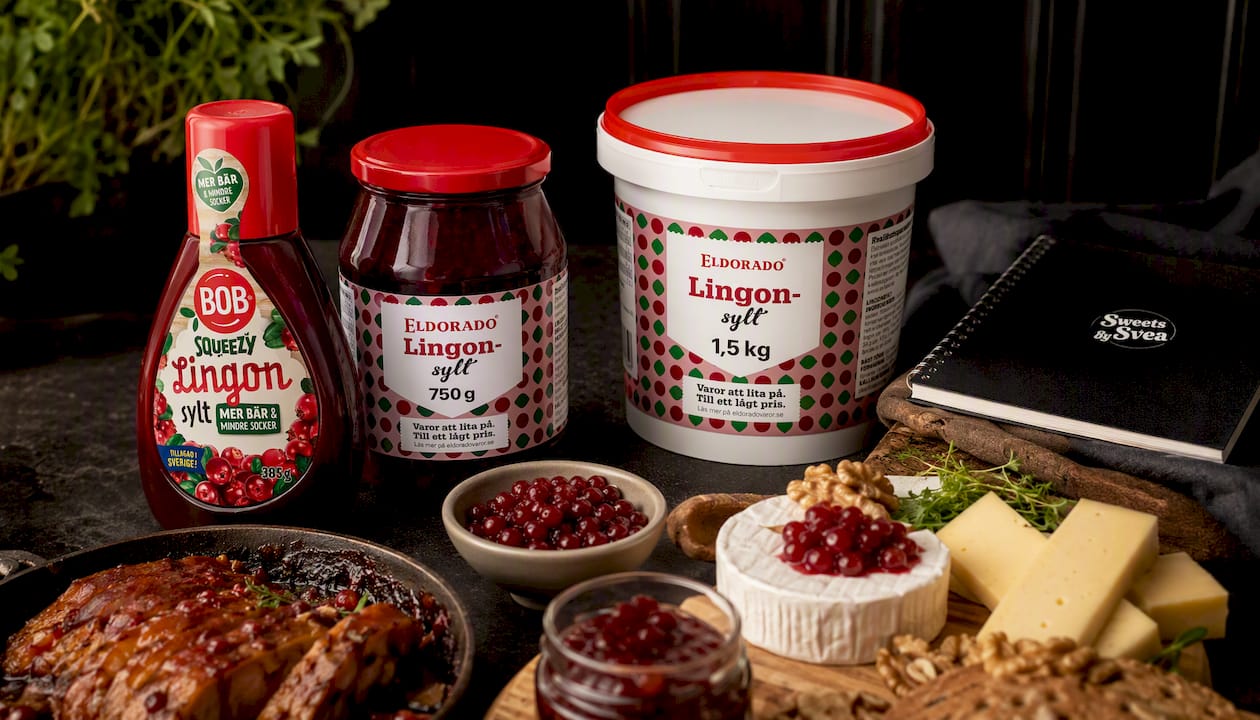
For everyday use, the Bob Lingonsylt Squeezy Lingonberry Jam is built for exactly the kind of quick glaze or breakfast topping covered above, no spoon required. If you bake often or plan to work through a batch of thumbprint cookies and cake layers, the 750g jar of Eldorado Lingonsylt gives you enough to experiment without running out mid-recipe. And for holiday cooking or a household that goes through preserves fast, the 1.5kg Eldorado Lingonsylt is the practical bulk option. All three arrive without added GMOs, parabens, or high fructose corn syrup. Browse the full jam selection and place an order to have a jar on your counter by the end of the week.
Sources
- Cloudberries | Cooperative Extension Service
- Cloudberry jam recipe: How to make this rare Nordic preserve at home | The Kitchen Abroad
- Norwegian cloudberry jam | Rouxtine Recipes