
Pick higher-cocoa solid bars, foil-wrapped coins, or shell-coated novelties, and pair them with insulated packaging plus expedited shipping. That combination beats any “heatproof” label on the wrapper. Target an interior package temperature of 60–70°F and assume transit could stretch 24–72 hours if customs holds your shipment. Sweets by Svea ships in 1 to 3 days, which cuts that risk window down before it even starts.
TL;DR:
- Higher cocoa percentages, especially 70% and above, significantly improve chocolate’s resistance to softening and fat bloom during warm transit.
- Solid, foil-wrapped, and shell-coated formats are more heat tolerant due to reduced surface area and structural barriers that slow heat exposure.
- Proper packaging with insulation, phase-change coolants, and careful timing of shipment are crucial to prevent melting or softening in transit, especially over 24–72 hours.
- Expedited shipping paired with immediate product receipt and proper storage at 60–70°F at home are essential to maintain chocolate quality after delivery.
- White chocolate and lower-cocoa varieties require extra caution, cooler shipping methods, or delaying purchase until cooler seasons to avoid damage from heat.
Table of Contents
- What Makes Chocolate More Heat Resistant?
- How Do You Package and Ship Chocolate So It Doesn’t Melt?
- Should You Order Chocolate During a Heat Wave?
- The Science Behind Heat Resistant Chocolate
- Comparing Your Options for Warm-Weather Chocolate
- Handling Heat Resistant Chocolate at Home
- Where Heat Resistant Chocolate Falls Short
- Sweets by Svea: How We Protect Chocolate for International Delivery
- Ready to Order? Here’s How to Choose and Check Out
- Sources
What Makes Chocolate More Heat Resistant?
Cocoa percentage is the biggest lever you have as a buyer. Higher cocoa solids mean less sugar and milk fat diluting the structure, so the bar holds its shape longer before softening. A bar at 70% cocoa or above generally outperforms a 30% milk chocolate bar sitting on the same porch in July, simply because there’s more rigid cocoa mass and less soft fat to give way.
Format matters almost as much as percentage. A solid bar has less surface area exposed to heat than a filled or enrobed piece, and it has no soft center to leak out once the shell softens. Foil wrapping adds a second line of defense: even if the surface softens, foil helps hold the shape together rather than letting it smear across packaging.
Watch for label language that’s actually meaningful versus language that’s just marketing:
- “Tempered chocolate” means the cocoa butter crystals were stabilized during manufacturing, giving a firmer bite and glossier finish, but tempering doesn’t make a bar immune to 90°F heat.
- “Baking chocolate” often signals a firmer, less sweetened formulation built to hold structure, which happens to travel well too.
- “Ship-safe” or “heatproof” on a listing, with no explanation of packaging or transit time, is usually just copywriting.
Trade-offs are real. White and milk chocolates melt at lower thresholds because they carry more milk fat and less cocoa mass, and once fat bloom sets in, you lose taste and texture even if the piece never fully liquefies. Fat bloom, the pale streaking you sometimes see on old chocolate, commonly shows up once chocolate has been exposed above roughly 80 to 90°F, even if it never technically melted.
Consider what this means for three common formats. Chocolate Coins hold up well thanks to their foil shell and small, solid geometry. A bar like Fazer Ögon 70% premium baking chocolate has the cocoa density to resist softening on a moderately warm day. Eldorado Vit Block white chocolate, by contrast, has zero cocoa solids working in its favor and needs cooler shipping conditions or extra insulation to arrive intact.
Pro Tip: If you’re unsure how a product will hold up, check the ingredient list before the marketing copy. Cocoa mass listed first, with sugar and milk solids further down, is a better heat-resistance signal than any badge on the product photo.
How Do You Package and Ship Chocolate So It Doesn’t Melt?
Packaging strategy comes down to three layers working together: insulation, coolant, and timing. These all need to be balanced carefully to protect chocolate effectively during shipping.
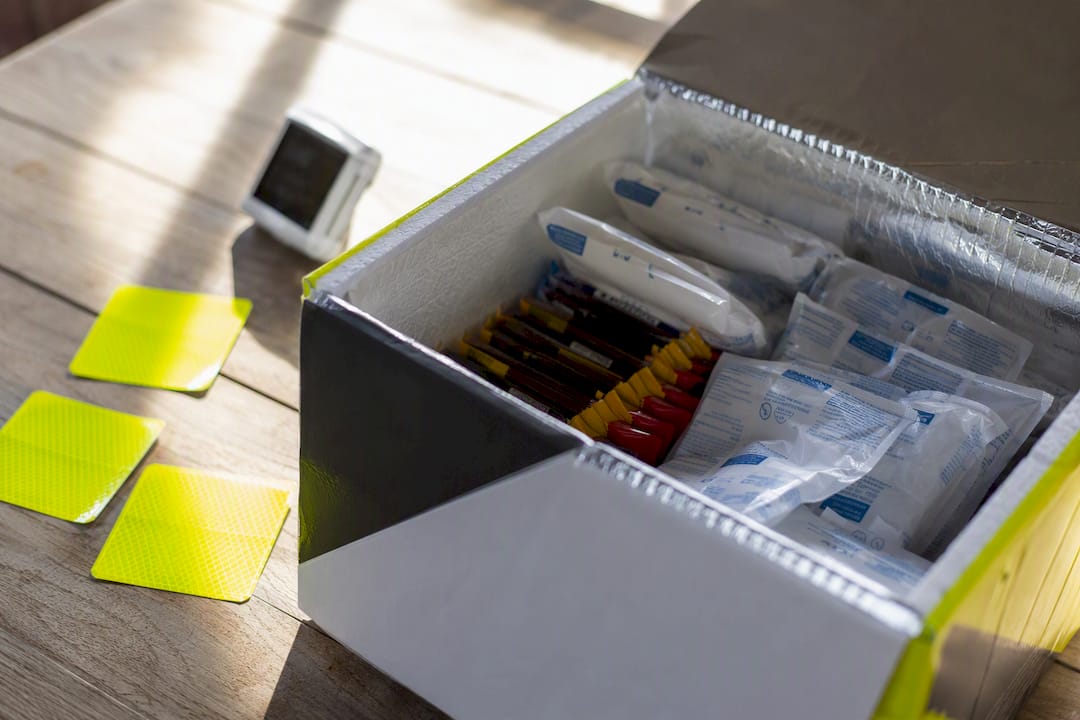
Metalized bubble wrap and reflective liners work by bouncing radiant heat away from the package rather than absorbing it, and foam panels add a thermal buffer that slows down how fast outside heat reaches the product. Combining an insulated liner with cold packs or phase-change materials is the standard approach commercial shippers use to protect chocolate through summer transit, and it’s worth mimicking that setup even for a single gift order.
Coolant choice matters more than people assume. Water-based ice packs freeze at exactly 32°F, which is far colder than the 60 to 70°F range chocolate actually needs, so they can overcool a package early and then run out of cooling capacity before delivery. Phase-change materials, or PCMs, are engineered to melt near a specific target temperature, which makes them better suited to holding a package in that ideal mid-60s zone for longer stretches.
A practical way to plan a shipment:
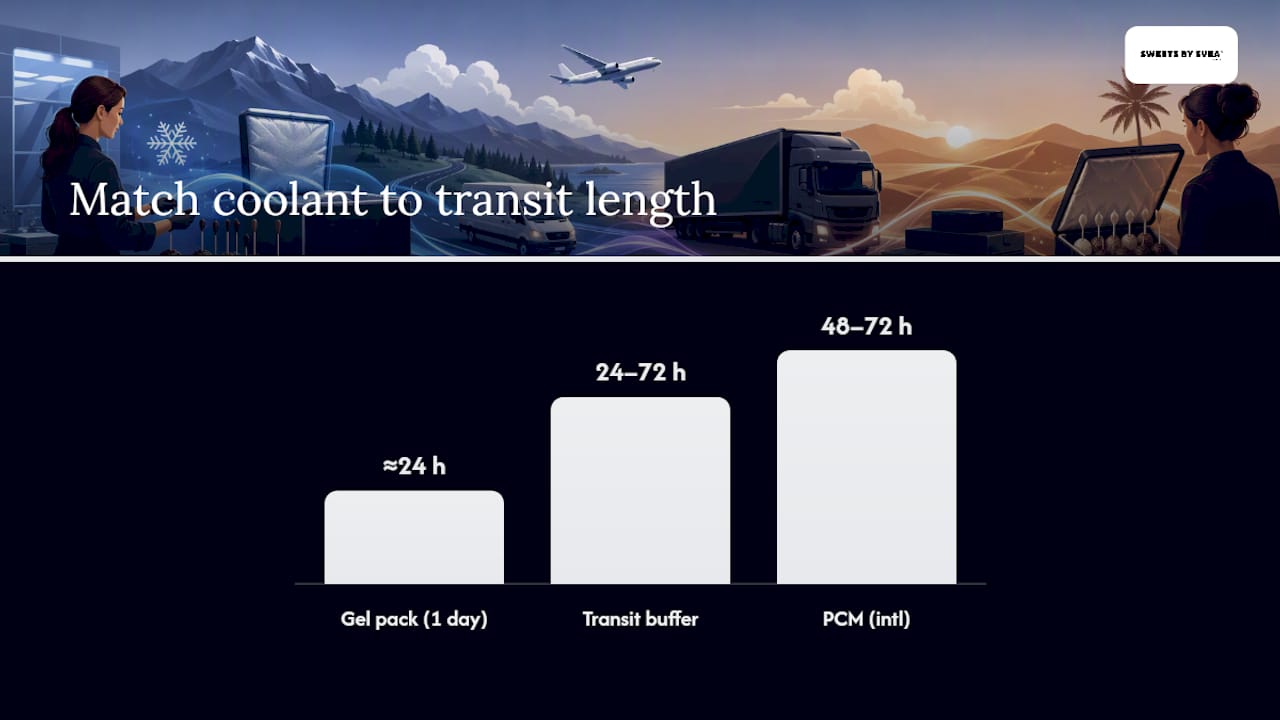
- Estimate your transit window, then add 24 to 72 hours as a buffer, since international shipments can face customs holds that may extend the transit duration beyond initial estimates.
- Match coolant to that total window. A one-day domestic trip might only need a single gel pack, while an international shipment with possible customs delays calls for a PCM sized for 48 to 72 hours.
- Choose liner thickness based on climate, going heavier on insulation for shipments crossing hot regions or sitting in uncooled warehouses.
- Time your dispatch deliberately. Shipping early in the week and avoiding weekend transit keeps packages from sitting in a hot warehouse over Saturday and Sunday, and choosing overnight or express service during summer months shrinks the total heat exposure window.
- Send an arrival alert. A simple text or email letting the recipient know the delivery date reduces the chance a box sits on a hot doorstep for hours before someone brings it inside.
Pro Tip: Ask whether your seller preconditions packages before dispatch. A box that starts cold has a real head start over one packed at room temperature, and that head start can be the difference between a firm bar and a soft one on arrival.
On arrival, recipients should open the box right away rather than letting it sit. Photograph the contents immediately if anything looks off, chill anything soft in the refrigerator for 20 to 30 minutes to firm it back up, and contact the seller with photos if the damage looks like a shipping failure rather than normal softening.
Should You Order Chocolate During a Heat Wave?
Run through a short checklist before you click “buy” on a hot week. Consider your destination’s current climate, how long the package will realistically be in transit, what format you’re ordering, how much the order is worth to you, and what the seller’s own packing and refund policy actually says.
Some rules of thumb make this easier:
- Gifts and premium bars are almost always worth the upgrade to expedited shipping and extra packaging, since the cost difference is small compared to the disappointment of a melted gift.
- Bulk or lower-cost orders during a heat spike are the ones worth pausing, especially if the destination is forecasting several consecutive days above 90°F.
- Retailers sometimes restrict melt-vulnerable items in peak summer rather than risk shipping stock that arrives ruined, because a melted case of chocolate is effectively unsellable once it reaches the customer. If a product you want is temporarily unavailable in July, that’s very likely why.
If timing or budget doesn’t line up for expedited shipping, you still have options. Shelf-stable candy like hard candies and gummies sidesteps the melt problem entirely, since they don’t contain cocoa butter that softens with heat. Higher-cocoa bars, like a Lindt Excellence 90% Cocoa bar or a Marabou Fin 86% Premium chocolate bar, give you more of a heat buffer than a milk chocolate bar would. Or simply wait a few weeks. Chocolate isn’t going anywhere, and shipping it in September instead of during a July heat dome removes most of the risk without spending a dollar more.
When in doubt, ask the seller directly. A quick message like “What insulation do you use for summer orders?” or “Can I add an ice pack to my shipment?” tells you a lot about whether a seller has actually thought through warm-weather logistics or is just hoping for good luck.
The Science Behind Heat Resistant Chocolate
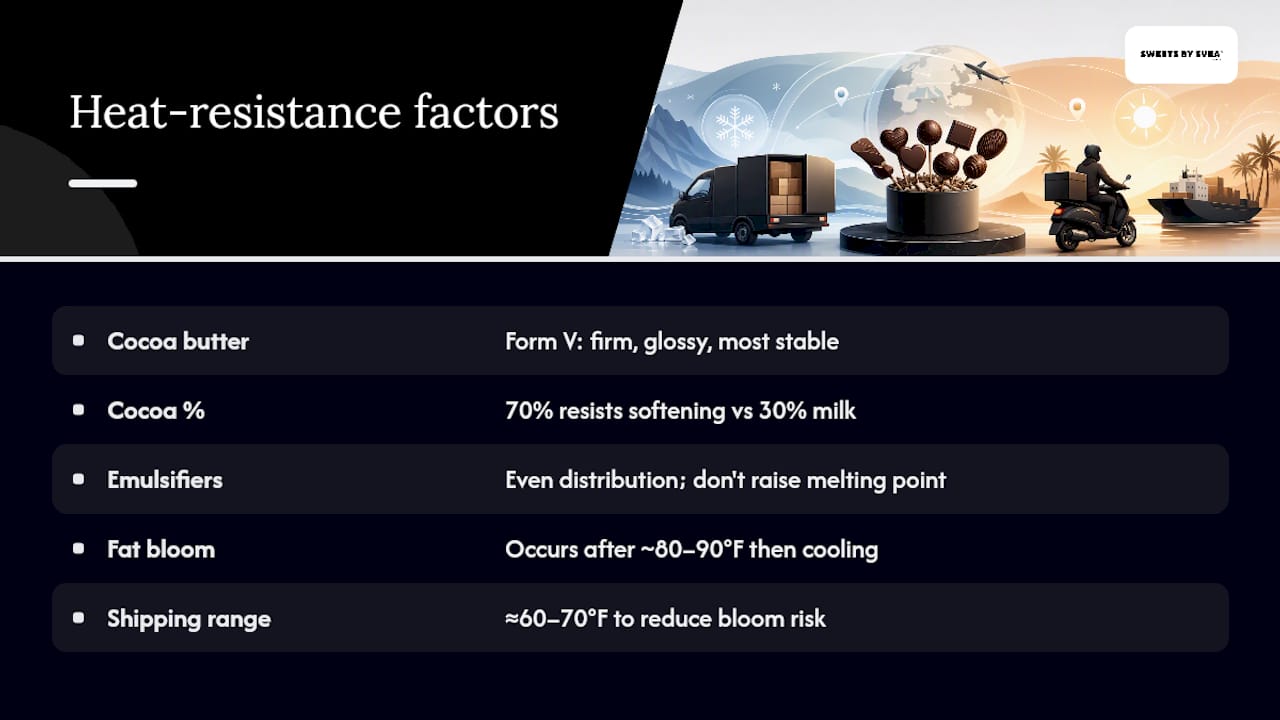
Cocoa butter is the ingredient doing most of the work here, and it’s more complex than a single melting point. Cocoa butter contains several different crystal forms, labeled Form I through Form VI, each with its own melting behavior. Properly tempered chocolate is dominated by Form V crystals, which give a firm, glossy structure that holds up better under moderate warmth than the looser, less stable crystal forms that show up in poorly tempered chocolate.
Sugar and milk solids dilute that cocoa butter structure. That’s the core reason a 70% dark bar resists softening better than a 30% milk bar sitting in the same delivery truck: there’s simply more stable fat structure and less soft filler pulling the whole thing toward liquid.
Emulsifiers, most commonly lecithin, don’t raise chocolate’s melting point, but they do help keep the fat and cocoa solids evenly distributed during manufacturing. That even distribution matters for consistency and snap, though it won’t save a bar that’s genuinely overheated.
Fat bloom is the most common heat-related defect buyers actually encounter, and it isn’t the same as melting. It shows up as a pale, whitish surface once chocolate has been exposed to warmth above roughly 80 to 90°F and then cooled again, as the cocoa butter crystals recrystallize into a less stable, visually duller form. The chocolate is still safe to eat, but the texture turns grainy and the snap disappears, which is exactly why the target shipping range sits closer to 60 to 70°F instead of just “below melting.”
Comparing Your Options for Warm-Weather Chocolate
Not every format handles heat the same way, so it helps to think in categories rather than individual brands.
Solid high-cocoa bars are the most heat-forgiving mainstream option. Bars like a Lindt Excellence 85% Cocoa bar or the Lindt Excellence Mild 70% bar hold structure well because there’s less sugar and milk fat working against the cocoa mass.
Foil-wrapped coins and novelty shapes trade some cocoa density for a physical barrier. Even if the surface softens slightly, the foil keeps everything contained and shaped, which is why Chocolate Coins travel better than their percentage alone would suggest.
Mid-range milk and cream chocolates, like a Lindt Excellence Mild Cream 50% bar, sit in the middle. They’re more heat-sensitive than dark bars but still more stable than pure white chocolate.
White chocolate is the most vulnerable category on the shelf, since it contains no cocoa solids at all, only cocoa butter, sugar, and milk. A product like Eldorado Vit Block white chocolate needs the most conservative shipping approach: cooler months, expedited transit, or extra insulation whenever it ships in summer.
Handling Heat Resistant Chocolate at Home
Even the most heat-tolerant bar has limits once it’s out of shipping and sitting in your kitchen. Store chocolate in a cool, dry spot away from direct sunlight, ideally in that same 60 to 70°F range the shipping guides target. A pantry shelf away from the oven or a west-facing window works fine in most homes.
Avoid the refrigerator unless your kitchen regularly runs hot, since condensation on the surface when you take it back out can trigger sugar bloom, a different cosmetic defect from fat bloom but just as unappealing. If you do need to refrigerate during a heat wave, seal the chocolate tightly in an airtight container or bag first to keep moisture off the surface.
For everyday carrying, a car glove compartment or a bag left in direct sun is the fastest way to ruin an otherwise heat-resistant bar. Solid bars and foil-wrapped coins can survive a short warm errand better than filled chocolates, but none of them are designed to sit in a hot car for hours.
If chocolate does soften without fully melting, a short stint in the refrigerator, 15 to 20 minutes, usually firms it back up enough to eat normally, even if the glossy snap doesn’t fully return.
Where Heat Resistant Chocolate Falls Short
Heat-tolerant formats come with real compromises, and it’s worth knowing them before you assume “heat resistant” means “immune.”
Higher-cocoa bars taste more bitter and intense than milk chocolate, which isn’t what every palate wants. If you’re buying for someone who loves a sweet, creamy milk bar, swapping them into an 85% dark bar for shipping convenience isn’t actually solving their problem.
Foil-wrapped and shell-coated formats also limit your options. You’re not getting a soft caramel center or a delicate filled truffle in a heat-resistant lineup, because the formats that hold up structurally are, almost by definition, the simpler ones.
Cost is another factor. Insulated packaging, PCM coolants, and expedited shipping all add money to an order that a standard box and ground shipping wouldn’t. For a $15 bar, that markup can double the total price of getting it delivered safely.
And no format is completely bulletproof. Even a 90% cocoa bar will eventually soften if it sits in a delivery truck at 110°F for two days straight. Heat resistance is a matter of degree and delay, not a guarantee, which is exactly why packaging and shipping speed matter as much as the product itself.
Sweets by Svea: How We Protect Chocolate for International Delivery
Sweets by Svea exists to solve a specific problem: getting real Swedish treats to people who can’t just walk into a Stockholm grocery store. Sweets by Svea ships authentic Swedish candy and food products worldwide, and every order is built around getting product to your door in 1 to 3 days rather than the multi-week timelines that turn a chocolate order into a gamble.
Every item Sweets by Svea sells is free from GMOs, parabens, and high fructose corn syrup, which matters for taste consistency as much as ingredient quality. Thousands of customer reviews back up the experience, with recurring mentions of familiar Swedish flavors arriving in good condition no matter where the order was headed.
That fast delivery window is doing quiet work against heat damage before you even think about insulation. A shorter transit time means fewer hours where chocolate sits in a warehouse or delivery truck at the mercy of the weather, and it’s the single biggest lever working in your favor as a buyer.
— Sweets
Ready to Order? Here’s How to Choose and Check Out
Sweets by Svea’s own catalog gives you the exact format range this guide has been walking through, so picking the right product for warm weather is straightforward once you know what to look for. Chocolate Coins are a smart pick for summer orders precisely because of their foil wrap and small, solid shape, both of which resist the kind of softening that ruins filled chocolates in transit. If you want something with more cocoa density working in your favor, Fazer Ögon 70% premium baking chocolate holds its structure well thanks to a firmer, less sweetened formulation built for baking, not just snacking.
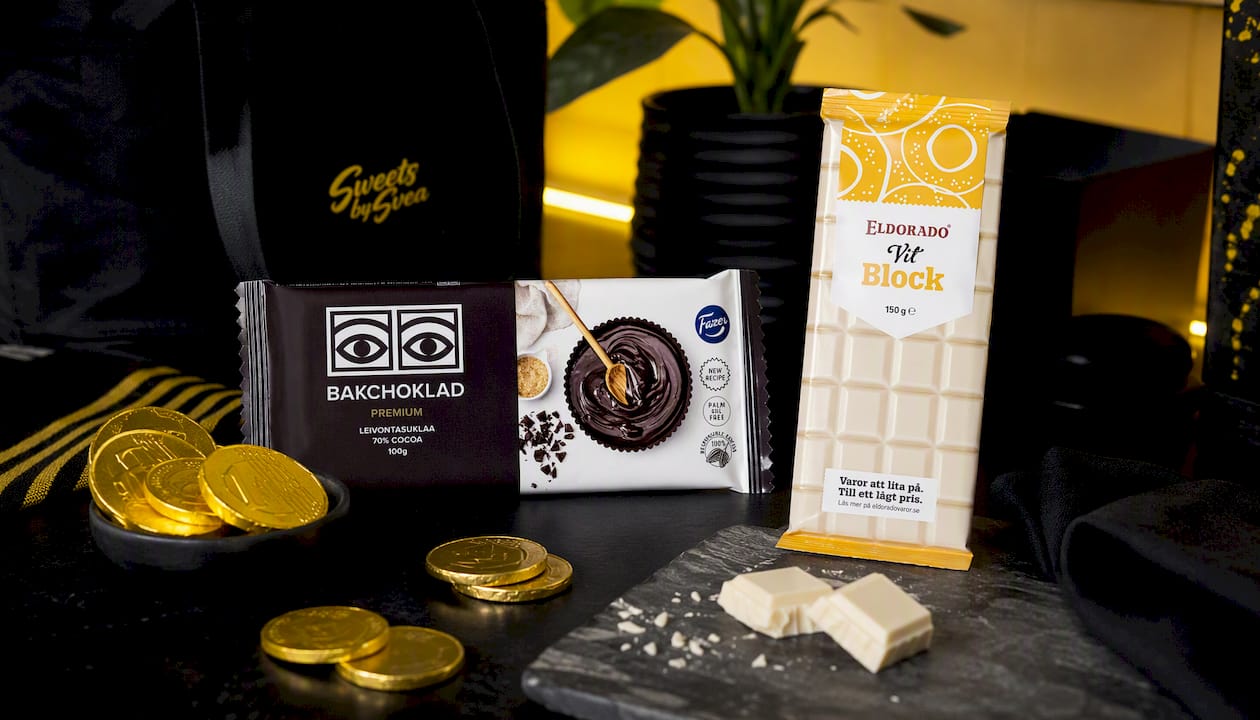
White chocolate lovers shouldn’t skip summer entirely. Eldorado Vit Block white chocolate is worth ordering with a little extra caution: pick expedited shipping if it’s available at checkout, since white chocolate has none of the cocoa-solid structure that helps darker bars hold up in heat.
At checkout, look for any option to select faster shipping and add insulated packaging. Where available, opt in and add a delivery alert so you’re not letting a box sit on a warm porch for hours after it arrives. If you’re shipping across borders and unsure about seasonal logistics generally, the same principles behind on-demand snack delivery apply here too: shorter transit and smarter packaging beat any wrapper claim. Place your order, choose the fastest shipping tier that fits your budget, and let a 1 to 3 day delivery window do the heavy lifting against the heat.
Sources
- Shipping Perishable Food Items Internationally | DHL Express Singapore
- Packaging Guide for E-Commerce Confectionaries | TemperPack
- How We Ship Chocolate Without Melting It | BoxNCase
- How to Ship Chocolate Without Melting - WebstaurantStore