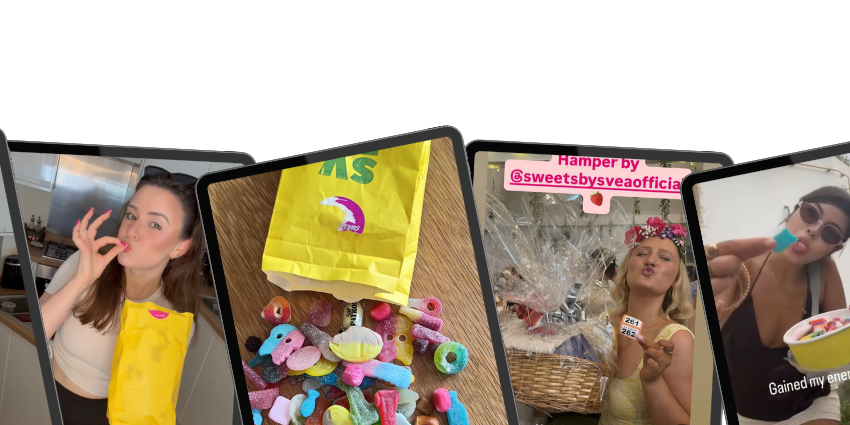

Yes, authentic non-GMO Swedish candy exists, and you can buy it with confidence if you know what to look for. Reliable options display full ingredient lists, carry country-of-origin labeling that confirms “Made in Sweden,” and sometimes hold third-party seals like Non-GMO Project Verified. The fastest path to a good purchase: skip vague marketing badges and go straight to a retailer that publishes complete ingredient panels for every product.
That single habit separates a smart candy order from a disappointing one. Before you buy, run through this quick mental checklist:
- Does the seller show a full ingredient list on the product page, not just a photo of the bag?
- Is the country of origin stated clearly (Sweden, not “imported” or unlisted)?
- Are there recognizable red flags like Red 40, high fructose corn syrup, or unnamed “natural flavors”?
- Does the retailer offer freshness or shipping guarantees you can actually read?
If a seller checks those four boxes, you’re in good shape. If they don’t, keep scrolling.
Key Takeaways
Authentic non-GMO Swedish candy is widely available, and the fastest way to confirm it is checking for full ingredient transparency rather than trusting front-of-package marketing language.
| Point | Details |
|---|---|
| Verdict confirmed | Non-GMO Swedish candy is real and buyable; look for full ingredient lists over vague claims. |
| Trust seals, not slogans | Non-GMO Project Verified means an audited supply chain; a producer claim alone does not. |
| Watch five ingredients | Red 40, Yellow 5, HFCS, gelatin, and palm oil are the main flags for clean-candy buyers. |
| Verify before buying | Check seals, ingredient lists, country-of-origin labeling, and seller responsiveness first. |
| Recommended source | Sweetsbysvea publishes ingredient lists, confirms Swedish origin, and ships internationally in 1 to 3 days. |
Table of Contents
- What “Non-GMO” and Related Labels Actually Mean
- Which Ingredients Should You Watch For in Swedish Candy?
- What Kinds of Non-GMO Swedish Candy Can You Actually Buy?
- How Do You Verify a Non-GMO Claim Before You Buy?
- Where to Buy Authentic Non-GMO Swedish Candy
- Buying Checklist and Red Flags to Avoid
- What Buyers Get Wrong About “Clean” Candy Claims
- Get Your Non-GMO Swedish Candy Fix, Shipped Fast and Fresh
- Sources
What “Non-GMO” and Related Labels Actually Mean
“Non-GMO” and “organic” get used interchangeably by shoppers, but they’re regulated differently and mean different things on a candy wrapper. Non-GMO refers specifically to the absence of genetically modified organisms in the ingredients. Organic is a broader standard that also restricts synthetic pesticides, fertilizers, and certain processing methods. A candy can be non-GMO without being organic, and in theory (though rarely in practice) organic without explicitly marketing itself as non-GMO.
In the United States, the most recognized third-party seal is Non-GMO Project Verified, a rigorous testing and supply-chain audit program. A producer claim (“no GMOs,” self-stated) is not the same thing. It’s not verified by an outside body, so it carries less weight, even when the company is being honest. In the European Union, labeling works differently. The EU requires disclosure for genetically modified ingredients above certain thresholds, so many Swedish-made candies default to GMO-free sourcing simply to comply with regional rules, whether or not they carry an American-style seal.
That distinction matters when you’re comparing packaging language. A Swedish candy bag might say “inga GMO” or simply omit any GMO-related claim because it’s assumed under EU standards, while an American retailer selling the same product might add its own non-GMO callout for U.S. shoppers who expect to see it.
- Non-GMO: no genetically modified ingredients, verified or self-declared.
- Organic: no GMOs plus restrictions on synthetic inputs and processing.
- Natural: an unregulated marketing term with no legal definition in most markets.
- Non-GMO Project Verified: third-party tested and audited, the strongest consumer guarantee available.
Pro Tip: Ignore the front-of-bag marketing copy entirely and scroll straight to the ingredient panel. A candy that’s genuinely clean will list every ingredient in plain language, no asterisks or footnotes required.
Which Ingredients Should You Watch For in Swedish Candy?
Five ingredients account for most of the red flags on candy labels, and knowing them by name saves you from relying on marketing claims alone. Red 40 and Yellow 5 are synthetic dyes linked to consumer concern over behavioral sensitivity in children, and they’re the first thing health-conscious buyers scan for. High fructose corn syrup is a bigger issue for GMO-conscious shoppers specifically, since most HFCS in North America comes from genetically modified corn. Cane sugar and beet sugar, by contrast, can go either way depending on sourcing, so the ingredient name alone doesn’t tell you everything.
Gelatin shows up constantly in gummy candy and isn’t a GMO issue at all, but it matters enormously for dietary reasons: it’s animal-derived, so anyone eating vegan, vegetarian, or observing halal or kosher dietary rules needs to check for it specifically. Palm oil, common in chocolate-based candies, raises separate environmental and sourcing questions that some shoppers want to avoid regardless of GMO status.
Here’s how to sort them quickly:
- Red 40 / Yellow 5: synthetic dyes, not GMO-related, but a top concern for clean-ingredient buyers.
- High fructose corn syrup: often GMO-derived from conventional corn crops in the U.S.
- Gelatin: animal-derived, not a GMO concern, but critical for vegan/halal shoppers to check.
- Palm oil: not typically GMO, but a sourcing and sustainability flag for many buyers.
- “Natural flavors”: a legally vague term that can hide dozens of possible source ingredients.
If a product page lists ingredients in a jumbled order or uses catch-all phrases without specifics, treat that as a signal to look elsewhere rather than assume the best; learning about natural sweetener options can help you understand clean ingredient choices.
What Kinds of Non-GMO Swedish Candy Can You Actually Buy?
Gummies are the easiest category to find in genuinely clean, non-GMO formats, largely because small-batch Swedish producers have leaned hard into the organic and vegan candy trend over the past several years. Swedish gummy maker JOM makes organic, small-batch gummies that are certified organic, vegan, gluten-free, and palm-oil free, with recipes that skip artificial colors and common allergens entirely. That’s a useful benchmark for what “clean” actually looks like on a label, rather than just a marketing word.
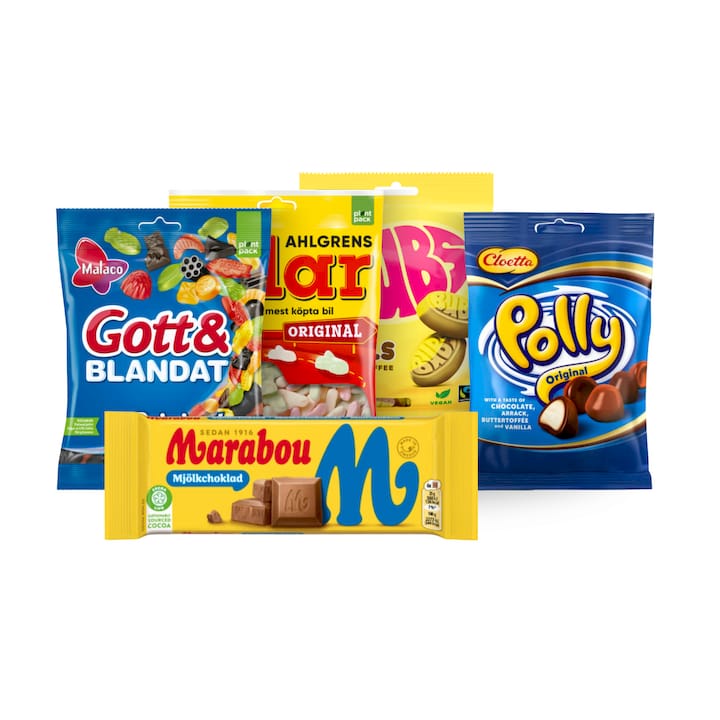
Licorice is trickier. Traditional Swedish licorice recipes sometimes include ammonium chloride (salmiak) and can vary widely in dye use depending on the brand, so it’s worth checking each product individually rather than assuming the whole category is clean. Hard candies tend to be simpler formulations with fewer ingredients overall, which paradoxically makes them easier to vet: fewer inputs means fewer places for a GMO-derived ingredient to hide. Chocolate-based Swedish sweets fall somewhere in the middle, since cocoa sourcing and palm oil use vary by producer.
A few product-type examples worth knowing, described by their ingredient profile rather than brand name:
- Organic raspberry and blackcurrant gummies: organic, GMO-free, vegan, no artificial dyes.
- Vegan sour fruit gummies: gelatin-free, made with pectin instead of animal gelatin.
- Sugar-free gummy candies: often formulated for lower glycemic impact while staying free of artificial colors.
- Classic salty licorice: worth checking individually for dye and allergen content, since recipes vary widely.
If you’re building a mixed order and want gelatin-free, sugar-free options in one place, a product like Wellibites checks the vegan and sugar-free boxes simultaneously. For a broader sense of what’s out there across categories, the flavor guide for U.S. buyers breaks down types in more depth.
How Do You Verify a Non-GMO Claim Before You Buy?
Verification takes about two minutes per product if you follow a consistent process, and it’s worth doing every time rather than trusting a single glance at the packaging.
- Look for a third-party seal first. Non-GMO Project Verified is the strongest signal available, since it involves actual supply-chain audits rather than a company’s own word.
- Read the full ingredient list, not just the front label. A trustworthy product page publishes every ingredient in order of quantity, exactly as it would appear on the physical package.
- Check for country-of-origin labeling. “Made in Sweden” on a product page or package is a concrete, checkable claim, unlike softer language like “authentic” or “traditional.”
- Search for a nutrition or ingredient PDF. Established retailers often post downloadable spec sheets, especially for bundled products.
- Cross-reference customer reviews for consistency complaints. If multiple reviewers mention ingredient changes or mislabeling, that’s worth noting before you order.
Keep in mind what a seal like Non-GMO Project Verified does and doesn’t cover. It confirms the absence of GMO ingredients above a testing threshold, but it says nothing about added sugar content, dye use, or allergen handling. Those require separate label checks.
Pro Tip: If a product page doesn’t answer your question, email the seller directly and time their response. A retailer that answers ingredient-sourcing questions within a day or two is one you can trust for repeat orders; radio silence is itself useful information.
Where to Buy Authentic Non-GMO Swedish Candy
Specialty retail marketplaces are one legitimate channel. Faire’s Candycopia storefront shows how Swedish candy lines with clean-ingredient claims move through wholesale specialty channels, confirming this isn’t a niche category limited to one supplier. Local buyers can also confirm brick-and-mortar stock through tools like a Google Maps retailer listing, which is useful if you’d rather pick up candy in person than wait on shipping.
For most international buyers, though, a dedicated online retailer with full transparency is the more reliable route. Sweetsbysvea publishes ingredient lists directly on product pages, confirms Swedish origin, and backs orders with freshness and shipping guarantees, typically delivering within one to three days. The Candy Lovers Favorite bundle is a good starting point if you want a curated mix without researching each item individually, since the ingredient details are already listed on the page.
A few practical buying notes worth knowing before you order:
- Refrigerated or temperature-sensitive items ship differently than shelf-stable candy. Check the refrigerated items page for handling details if you’re ordering chocolate in warmer months.
- Shipping windows matter more for freshness-sensitive candy than for shelf-stable snacks, so confirm delivery estimates before ordering internationally.
- Return and guarantee policies should be stated clearly, not buried in fine print you have to hunt for.
- Local specialty grocers carrying imported Swedish goods are a fine backup option if you want to inspect packaging in person before buying.
Buying Checklist and Red Flags to Avoid
Run through this before you check out, especially for a first-time order from a retailer you haven’t used before.
Do:
- Look for a full ingredient list published directly on the product page.
- Confirm country-of-origin labeling that specifically says Sweden.
- Check for dietary flags (vegan, gluten-free, gelatin-free) if those matter to you.
- Photograph the ingredient panel on arrival and compare it against what was listed online.
Don’t:
- Trust a “no artificial colors” claim without seeing the actual ingredient panel.
- Assume a candy is non-GMO just because it’s imported from Sweden.
- Buy from a seller with no visible contact information or return policy.
- Ignore inconsistencies between product photos and the written ingredient list.
Authentic non-GMO candy typically costs more than mass-market equivalents, and that’s not a red flag by itself. Verified sourcing, small-batch production, and certification audits all add real cost. Treat unusually low prices on “premium” or “certified” candy as a reason to double-check the ingredient panel rather than a reason to celebrate.
What Buyers Get Wrong About “Clean” Candy Claims
The conventional advice on this topic stops at “check for a non-GMO seal,” and that’s not wrong, exactly, but it’s incomplete. A seal tells you one thing: no genetically modified ingredients above a testing threshold. It says nothing about artificial dyes, nothing about added sugar, nothing about whether the gelatin came from a cow or a pig. Shoppers who stop at the seal end up with candy that’s technically non-GMO and still loaded with Red 40.
The bigger gap is trust in the seller, not just the ingredient panel. Ingredient lists can be accurate on a manufacturer’s original packaging and still get mangled or oversimplified once a product passes through a reseller who doesn’t bother updating descriptions. That’s why country-of-origin labeling and full ingredient transparency on the retailer’s own page matter as much as anything printed on the original Swedish packaging. A retailer that takes the time to publish complete, accurate ingredient information for every product is telling you something about how seriously they take the rest of their operation, including freshness and shipping.
If there’s one thing worth prioritizing above all else, it’s this: buy from a source that treats ingredient transparency as a baseline requirement, not a marketing feature. Everything else, dyes, dietary flags, freshness guarantees, follows naturally from that one habit.
Get Your Non-GMO Swedish Candy Fix, Shipped Fast and Fresh
Sweetsbysvea exists for exactly the buyer this guide describes: someone who wants real Swedish candy, verified ingredients, and none of the guesswork that comes with unfamiliar overseas sellers. Every product page lists full ingredients so you’re never squinting at a blurry photo trying to figure out what’s actually in the bag.

Orders ship internationally within one to three days, and temperature-sensitive treats get handled through a dedicated refrigerated items process so chocolate doesn’t arrive melted. If you want a curated starting point rather than hunting through dozens of individual listings, the Candy Lovers Favorite bundle pulls together fan-favorite items with ingredient details already laid out. Craving the full cultural experience alongside your order? Pair your candy with the 10 Classic Swedish Recipes collection for context on where these flavors come from. Place your order today and taste the difference ingredient transparency makes.
Sources
The sources below cover certification standards, distribution channels, and product-level detail if you want to dig deeper than this guide.