
“Candy” in Swedish is godis (rough respelling: “GOO-diss”), and getting comfortable with it opens the door to a whole vocabulary of sweets worth saying right. The Cambridge Dictionary confirms this as the standard translation, with phonetic guidance to back it up.
Two more to get you started:
- Lördagsgodis (“LUR-dahs-goo-diss”) — literally “Saturday candy,” the weekly tradition of buying sweets on Saturdays.
- Ahlgrens Bilar (“AHL-grens BEE-lar”) — the foam car candy nearly every Swede grew up eating.
Audio beats spelling every time here. Swedish vowels don’t map cleanly onto English letters, so a respelling gets you close, but a native clip gets you right. Treat the phonetics in this guide as training wheels, not the finish line.
Key Takeaways
Accurate Swedish candy pronunciation depends on mastering three vowels, å, ä, and ö, and defaulting to first-syllable stress rather than memorizing every word individually.
| Point | Details |
|---|---|
| Godis is the core word | “Candy” in Swedish is godis, roughly “GOO-diss,” confirmed by standard dictionary sources. |
| Three vowels matter most | Å, ä, and ö explain most pronunciation gaps between English and Swedish candy names. |
| Kex has two accepted forms | Both hard “k” and softer “sh” pronunciations of kex are common and culturally accepted. |
| Stress falls first | Swedish food and brand names put stress on the first syllable, unlike typical English patterns. |
| Practice with real products | Sweetsbysvea’s product pages pair candy names with items you can order and practice saying aloud. |
Table of Contents
- Swedish Candy Pronunciation Basics You Need First
- Common Swedish Candy Names and How to Say Them
- Tricky Letters and Pronunciations Swedes Debate Themselves
- Why Candy Words Carry Cultural Weight in Sweden
- How Sweetsbysvea Helps You Hear and Practice Real Names
- Getting Your Mouth Around Swedish Sounds
- Mistakes English Speakers Make Most Often
- Where to Practice Beyond This Guide
- What Actually Matters When Learning These Names
- Sources
Swedish Candy Pronunciation Basics You Need First
Three vowels cause almost every mispronunciation English speakers make with Swedish candy names: å, ä, and ö. Learn these and half your battle is over.
- Å sounds close to the “aw” in “saw.” Think of the exclamation “Å!” (oh!) — round your lips like you’re about to whistle.
- Ä lands near the “a” in “cat,” but held slightly longer and more open. In a word like “Dumle,” the vowel isn’t a factor, but you’ll hit ä constantly in words like “äpple” (apple).
- Ö is the hardest for English speakers. It’s close to the “u” in “burn,” but with rounded lips, almost like you’re about to say “oo” and “eh” at the same time. There’s no perfect English equivalent, which is exactly why native audio matters more for this letter than any other.
Consonants have their own quirks. A k turns soft (closer to an English “sh” or “ch”) before e, i, ä, or ö. Sometimes it doesn’t, depending on regional habits, which is why “kex” trips people up (more on that below). Swedish w and v are both pronounced like an English “v,” so “Wasa” sounds like “VAH-sah.” Stress in food and brand names almost always falls on the first syllable, unlike English, which loves to stress the middle.
Pro Tip: Pick one tricky word, listen to a native clip five times in a row, then record yourself saying it and play both back to back. Your ear catches mismatches your mouth can’t feel.
Common Swedish Candy Names and How to Say Them
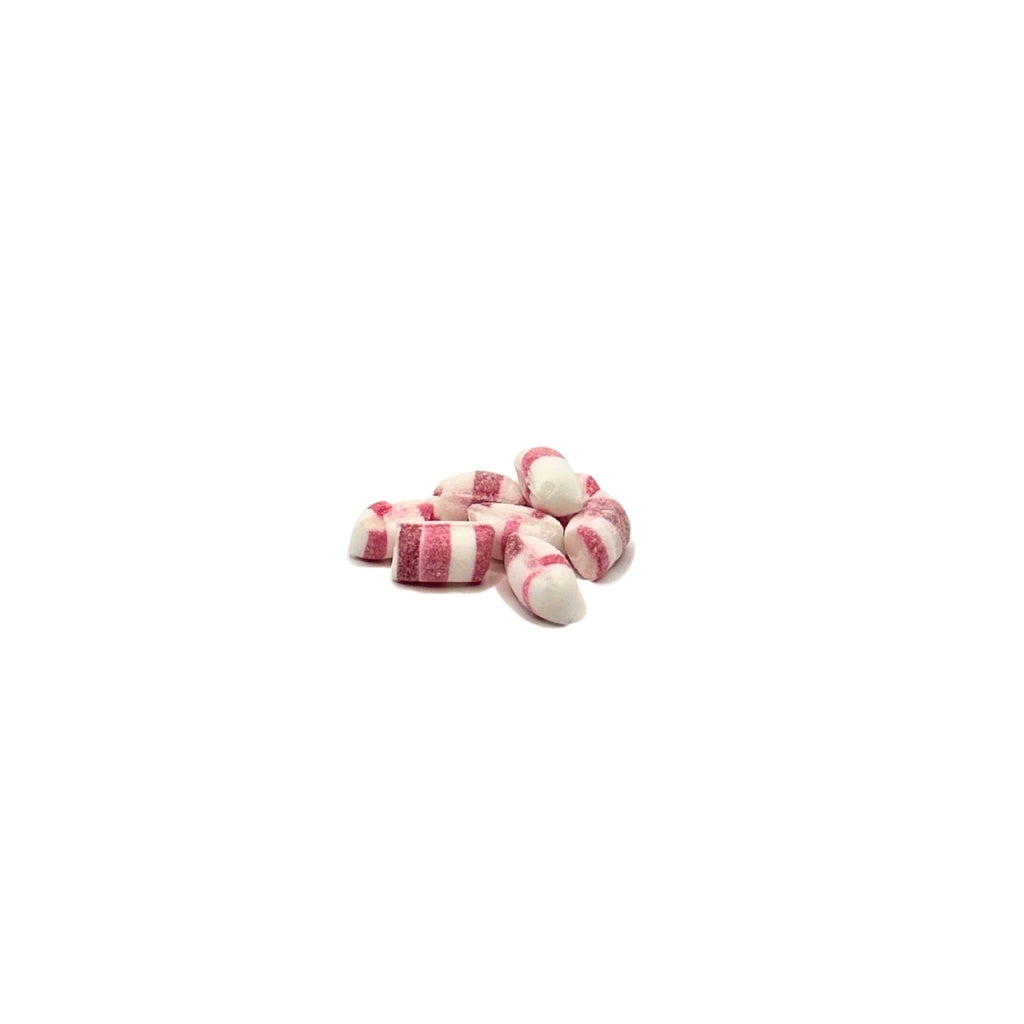
This list moves from everyday vocabulary to specific brand names, grouped by sound so patterns start to click. Say each one out loud after reading it.
Everyday vocabulary:
- Godis (“GOO-diss”) — candy in general, the word you’ll use most.
- Lördagsgodis (“LUR-dahs-goo-diss”) — Saturday candy tradition.
- Sötsaker (“SUT-sah-ker”) — sweets or confections, a broader term than godis.
- Snacks — pronounced almost exactly like English, borrowed wholesale.
The chewy and gummy family:
- Dumle (“DUM-leh”) — the toffee-caramel candy, phonetically rendered as [ˈdɵmlɛ] by pronunciation reference sites; the ö sound in the middle is the tell.
- Ahlgrens Bilar (“AHL-grens BEE-lar”) — foam cars, one of the most searched Swedish candy names in English.
- Sursockrade (“SOOR-sock-rah-deh”) — “sour sugared,” describing sour gummy coatings.
- Swedish Fish — despite the name, this one’s pronounced in plain English; it’s an American product inspired by Swedish gummy shapes.
Chocolate and wafer territory:
- Kexchoklad (“chex-shoo-klahd” or “kex-shoo-klahd,” depending who you ask) — chocolate-covered wafer bar.
- Daim (“DIME,” rhymes with the English word) — almond caramel chocolate bar, a name English speakers usually get right by accident.
- Marabou (“MAH-rah-boo”) — Sweden’s best-known chocolate brand.
Licorice and salty candy:
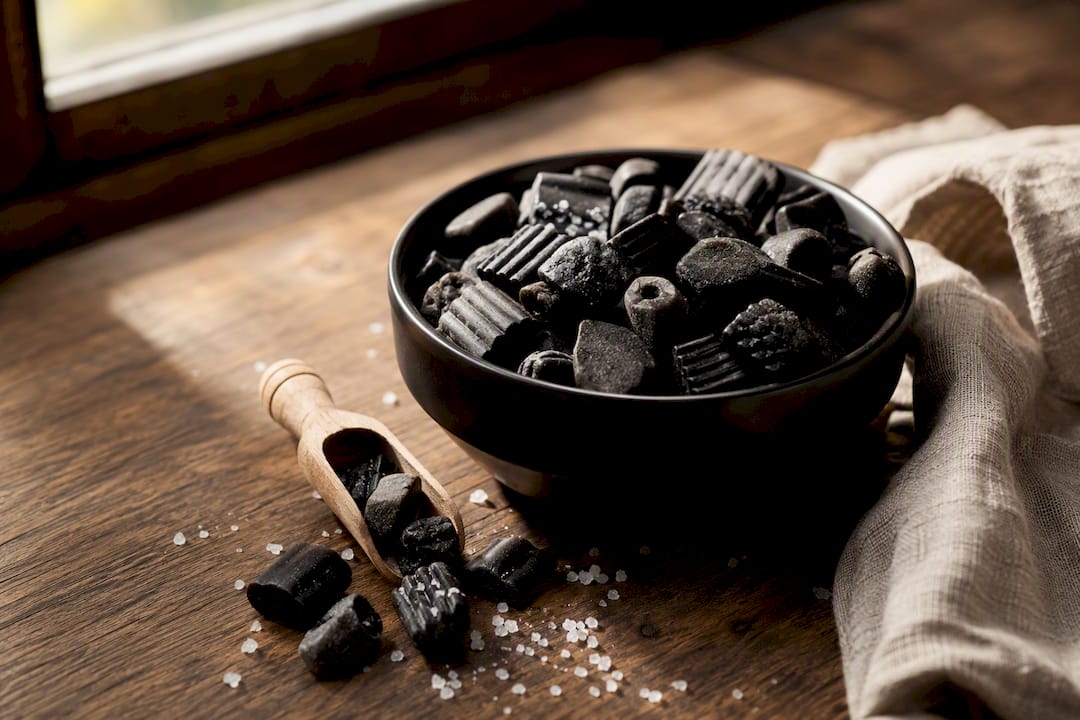
- Saltlakrits (“SAHLT-lah-krits”) — salty licorice, an acquired taste for most non-Swedes.
- Lakrits (“lah-KRITS”) — licorice on its own.
- Zoo — pronounced like the English word, a gummy animal-shaped candy line.
Baked goods that count as seasonal candy:
- Pepparkakor (“PEP-par-kah-kor”) — gingerbread cookies, with a full IPA transcription and native audio clip available on Wiktionary for anyone who wants to verify the exact vowel sounds.
Notice how ö, å, and the soft k keep reappearing. Once your ear catches those three patterns, unfamiliar candy names stop feeling random. For context on where some of these treats came from, Serious Eats’ rundown of Nordic candy covers the backstory on Daim and Ahlgrens Bilar in more depth.
Tricky Letters and Pronunciations Swedes Debate Themselves
Not every pronunciation question has one correct answer. Some are genuinely split, even among native speakers.
- Kex: pronounced with a hard “k” by some, closer to “sh” or “ch” by others. The Local’s reporting on this exact debate notes both versions are in active use and the disagreement functions almost like a regional inside joke.
- Final -e: often reduced to nearly silent in casual speech, so “Dumle” can sound closer to “Dumbl” when spoken fast.
- Vowel length: Swedish distinguishes short and long vowels in ways that change meaning in regular words, though with candy brand names, native speakers tend to be forgiving of length mistakes.
- Anglicized loanwords: “Snacks” and “Zoo” get pronounced the English way even in Swedish sentences, which confuses learners expecting everything to follow Swedish rules.
Natives sometimes alternate between “k” and “sh” pronunciations of kex on purpose, treating it as a lighthearted marker of where you’re from or how you grew up saying it.
If you’re ever unsure, mirror the native audio rather than guessing from spelling. A slightly off vowel on “kex” won’t confuse anyone. Swedes will understand you either way.
Why Candy Words Carry Cultural Weight in Sweden
Lördagsgodis isn’t just a word, it’s a decades-old tradition of buying sweets specifically on Saturdays, originally promoted to reduce children’s sugar intake the rest of the week. That’s part of why it shows up constantly in searches about Swedish sweets pronunciation: the phrase carries cultural context beyond a literal translation.
Plenty of candy names double as playful language among Swedes themselves. Getting “kex” slightly wrong or landing an ö imperfectly isn’t a failure, it’s basically what everyone does when learning.
- If you’re unsure how to say something, just ask: “How do you say this?” works fine in English in most candy shops with English-speaking staff.
- A simple “Is it more like ‘kex’ or ‘shex’?” often gets a laugh and a real answer, since the debate is common knowledge.
How Sweetsbysvea Helps You Hear and Practice Real Names
Product pages double as pronunciation practice when you pair the name with the item in front of you. Sweetsbysvea’s guide to Swedish candy types breaks down major categories by name, and the sour candy roundup groups sursockrade-style treats together, which reinforces the sound patterns covered above.
A workable practice loop: pick five words from the list in this guide, listen to each one a few times, order a small sample pack, then say the names out loud while you unwrap them. Matching sound to object cements pronunciation faster than flashcards alone.
- Start with familiar shapes: Ahlgrens Bilar and Daim are the easiest wins.
- Move to compound words like lördagsgodis once single words feel steady.
- Save saltlakrits for last. It’s a taste and a pronunciation challenge in one.
| Point | Details |
|---|---|
| Practice source | Product names double as pronunciation drills when paired with the physical item. |
| Start easy | Ahlgrens Bilar and Daim are the most approachable names for beginners. |
| Build gradually | Move to compound terms like lördagsgodis once single words feel natural. |
Getting Your Mouth Around Swedish Sounds
The ö sound stumps almost everyone because English has nothing quite like it. Round your lips as if you’re about to whistle, then try to say “err” without moving your jaw. That combination, rounded lips plus a mid-tongue vowel, is roughly where ö lives. Practicing in front of a mirror helps more than it sounds like it should, since you can actually see whether your lips are rounded enough.

The å sound is more forgiving. Drop your jaw and round your lips slightly more than you would for a normal “aw” sound in English. It sits between “aw” and “oh,” leaning closer to “aw” in most Swedish dialects.
Soft k (before e, i, ä, ö) comes from pushing air through a narrower gap between your tongue and the roof of your mouth than a hard English “k” requires. It’s closer to the “hy” sound in “huge” than to “sh,” even though English speakers often approximate it as “sh.” Try saying “hyoo” and gradually harden the front edge of that sound. That’s roughly the target for words like kex.
Rolled or tapped r sounds also throw English speakers, especially in words like “lakrits.” Swedish r is typically tapped once against the ridge behind your top teeth, lighter than a Spanish rolled r but more present than the American r, which barely touches anything. If your tongue isn’t touching the roof of your mouth at all, you’re probably still doing the English version.
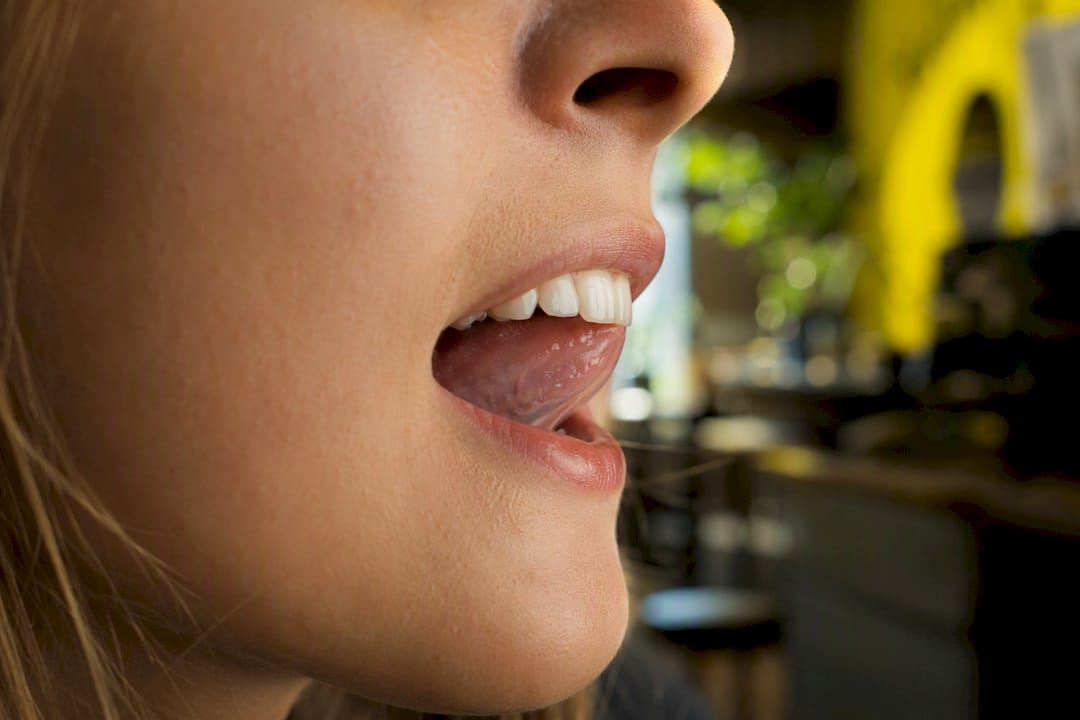
None of this requires perfection. Native speakers regularly understand foreign accents on these sounds without missing a beat.
Mistakes English Speakers Make Most Often
The single biggest error is flattening å, ä, and ö into a generic English “ah” sound. It’s an easy habit since English doesn’t distinguish them, but each of those three vowels is a distinct sound in Swedish, and collapsing them into one makes words harder to recognize, not easier.
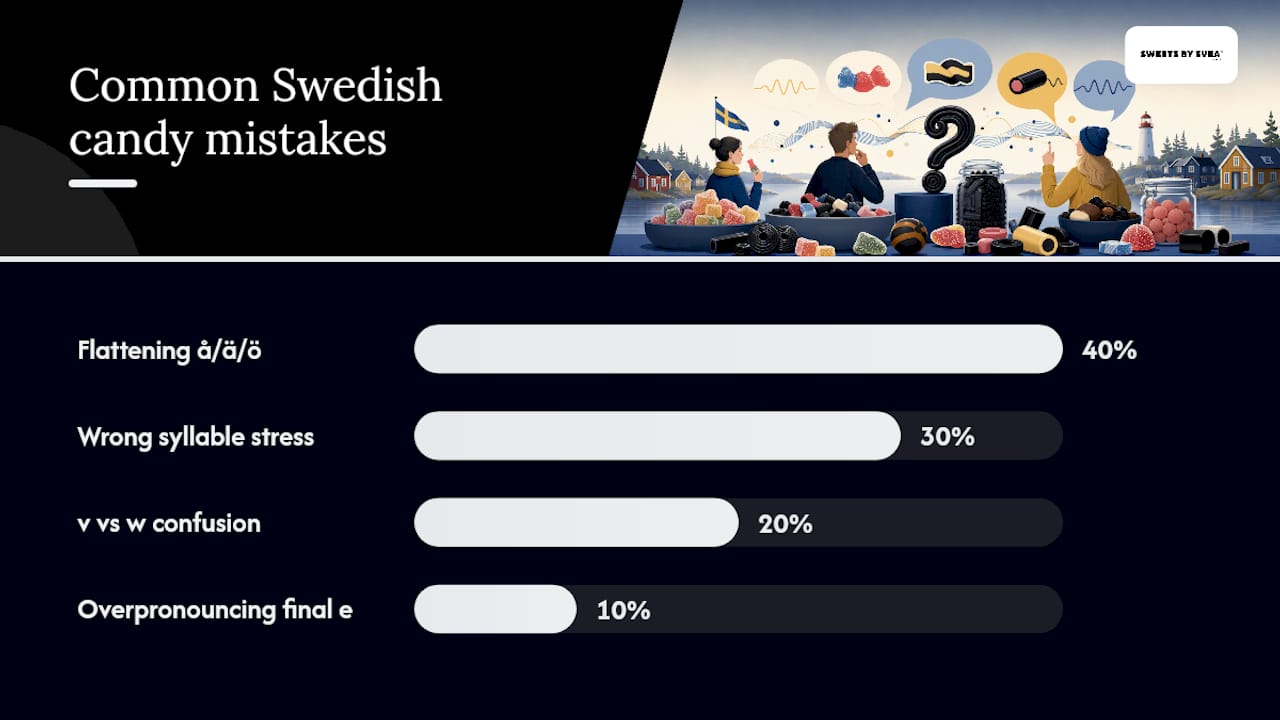
Second most common mistake: stressing the wrong syllable. English speakers often stress the second syllable in longer words out of habit (“puh-PAR-kah-kor” instead of “PEP-par-kah-kor”). Swedish food and brand names put stress on the first syllable in the overwhelming majority of cases, so training yourself to default there fixes a surprising number of words at once.
Third: treating Swedish v and English v as identical, which is mostly fine, except learners then assume Swedish w should sound like the English “w” (as in “water”). It doesn’t. Both letters make the same “v” sound in Swedish, so “Wasa” is “VAH-sah,” not “WAH-sah.”
Fourth: over-pronouncing silent or reduced final vowels. Words like “Dumle” often drop that final -e almost entirely in casual native speech, but learners frequently over-enunciate it, which sounds stilted rather than incorrect.
The fix for all four is the same: listen more than you read. IPA and phonetic respellings are useful scaffolding, but your ear corrects habits faster than your eyes do. Five minutes of focused listening to native clips beats twenty minutes of studying spelling rules.
Where to Practice Beyond This Guide
Wiktionary’s audio entries remain one of the more reliable free sources for hearing individual Swedish words spoken by native speakers, complete with IPA transcriptions for words like pepparkakor. When Wiktionary doesn’t have a clip for a specific candy name, quick translation sites with built-in audio for individual words fill the gap, though quality varies more than dictionary-grade sources.
Crowdsourced pronunciation libraries can also be worth a search when you need to hear a specific brand name multiple times from different speakers, since regional accents shift certain vowels slightly. No single source will have every candy name in this guide, so treat this as a toolkit rather than one definitive stop: check a dictionary for the standard form, then cross-reference a native clip if the word still feels unfamiliar in your mouth.
Whatever tool you land on, the method stays the same. Listen first, repeat immediately, then say the word again an hour later without checking. If it still comes out right, it’s sticking.
What Actually Matters When Learning These Names
Most pronunciation advice overcomplicates this. You don’t need to eliminate your accent or memorize IPA charts for forty candy names. You need to recognize three vowel sounds, default to first-syllable stress, and listen more than you read.
The conventional approach, treating phonetic respellings as the finish line, gets it backward. Respellings like “GOO-diss” are a starting sketch, not a destination. English spelling conventions can’t capture å, ä, or ö with any real precision, which is why two readers following the same respelling often land on noticeably different sounds. Native audio closes that gap in a way text never fully can.
If there’s one thing worth prioritizing above everything else in this guide, it’s repetition with real audio over silent reading. Five minutes spent listening to “pepparkakor” spoken correctly, five times in a row, will fix your pronunciation faster than an hour spent studying vowel charts. Confidence with Swedish candy names comes from familiarity, not perfection, and familiarity is built one listened word at a time.
— Sweets
Practice Swedish Candy Names With the Real Thing
Reading about pronunciation only gets you halfway. Sweetsbysvea ships authentic Swedish sweets worldwide in 1 to 3 days, so you can hold the product, say the name out loud, and taste it in the same sitting, all without the guesswork of ordering from a generic import site.
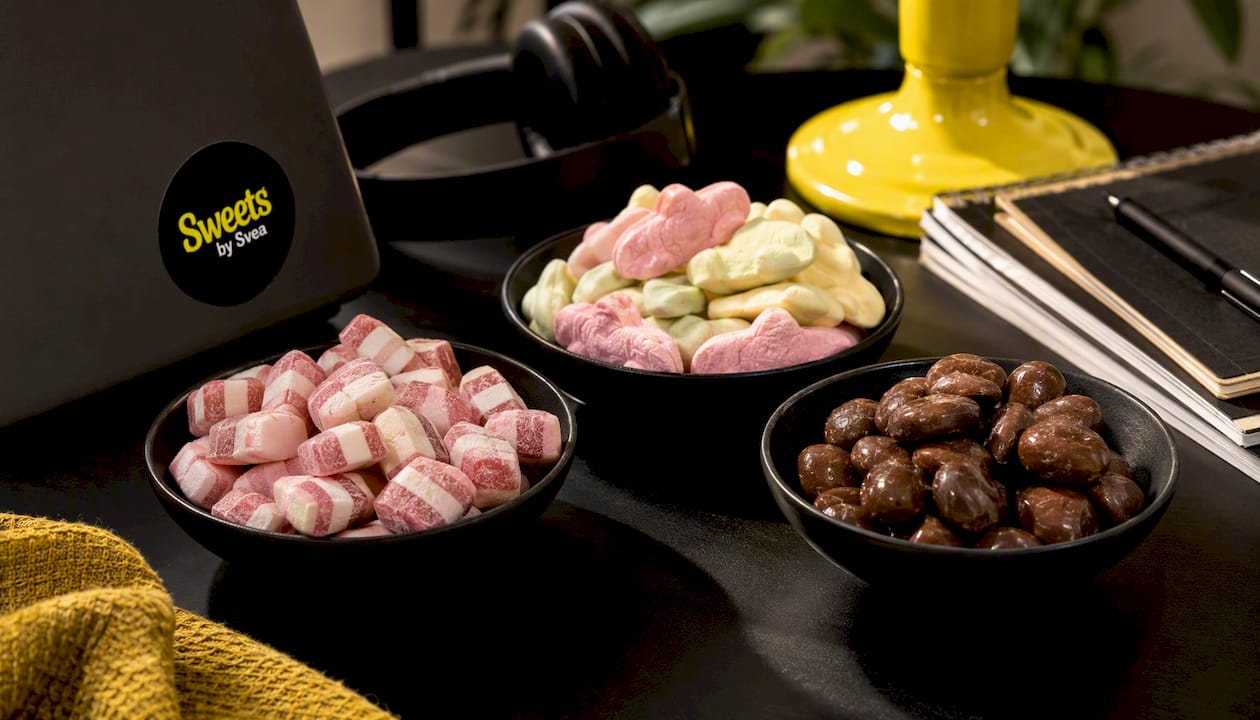
The Candy Lovers Favorite mix is a practical starting point since it bundles several names covered in this guide into one order. If you want to nail one specific word, the Ahlgrens Bilar Limousines page pairs the name with the exact product, so you can practice saying it while you unwrap one. Every item ships free from GMOs, parabens, and high fructose corn syrup, matching the ingredient standard of the original Swedish versions.
Pro Tip: Read the product name on the label out loud before you open the bag. It’s a small habit, but saying the word right before you taste the candy helps the pronunciation stick.
Ready to build your own practice list? Browse the full product catalog and order a few names you want to master.
Sources
- CANDY | translate English to Swedish - Cambridge Dictionary
- pepparkakor - Wiktionary
- Swedish word of the day: kex - The Local
- A Guide to Norwegian (and Some Swedish) Candy - Serious Eats