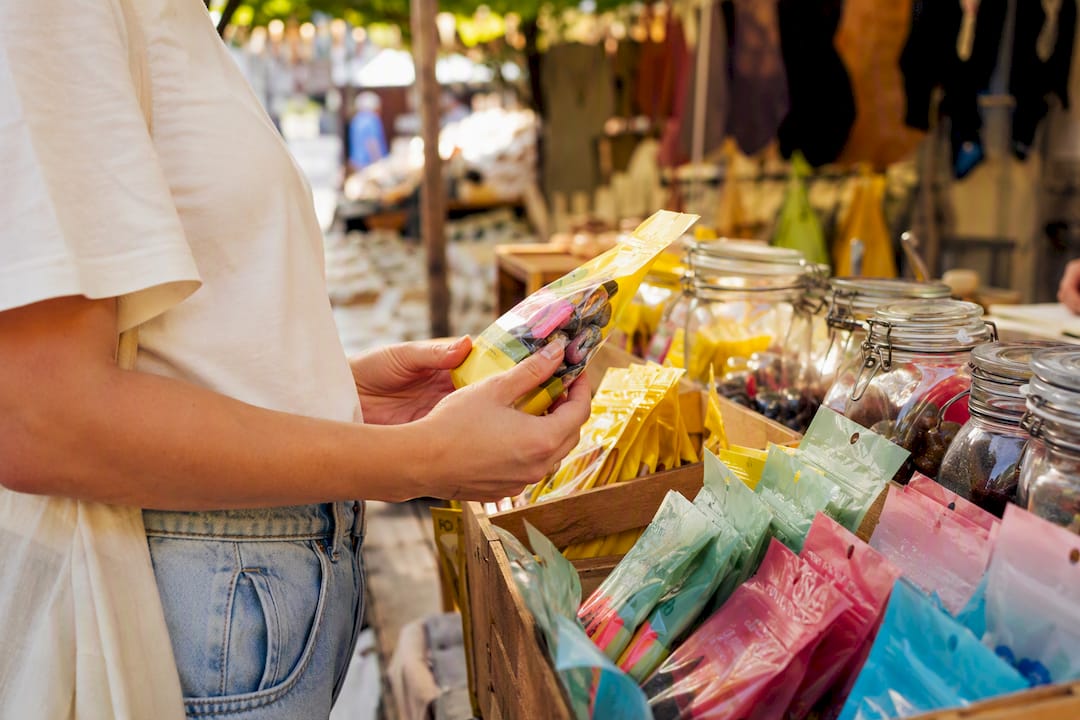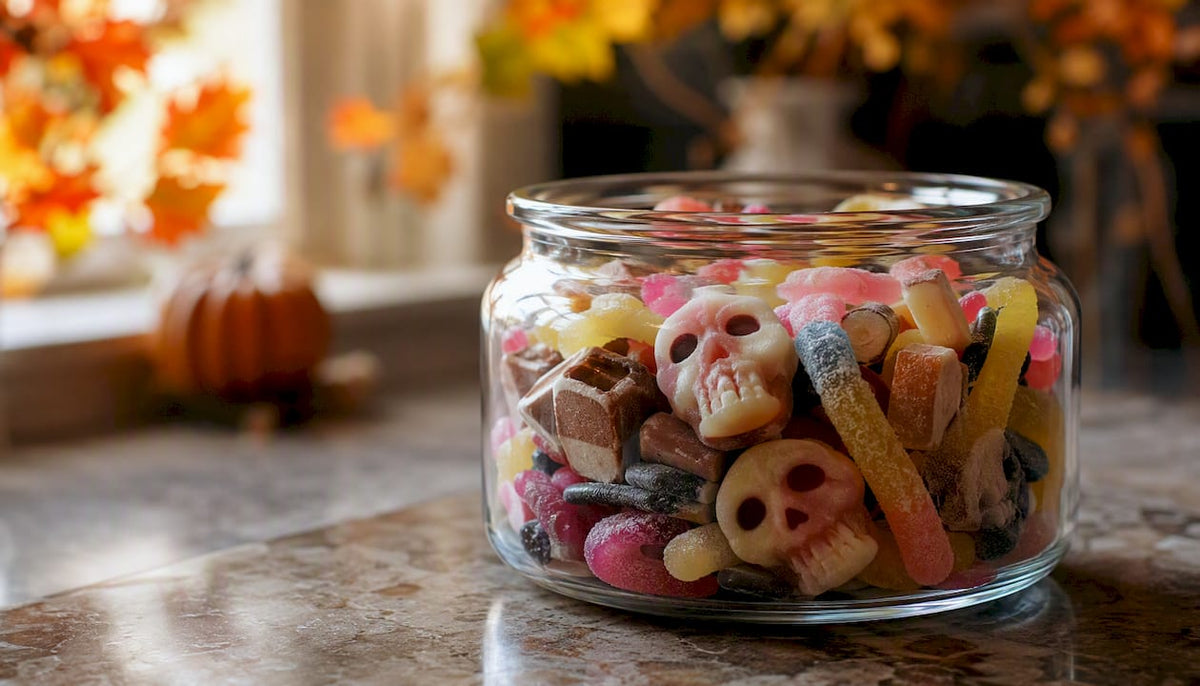

Swedish Easter candy centers on the påskägg: a decorated, reusable egg filled with pick-and-mix sweets, from chewy gummies to salty licorice. Sweets by Svea ships the same candies you’d find in a Stockholm grocery aisle, and Visit Sweden’s own travel guide to Swedish Easter confirms pick-and-mix candy is the season’s real star, right alongside kids dressed as påskkärring (Easter witches). Want to build your own egg, or order a curated mix ready to fill one? Both routes work, and we’ll walk through each.
Key Takeaways
A påskägg works because it turns mass-produced candy into a personalized gift, and the tradition survives on that small act of curation.
| Point | Details |
|---|---|
| Påskägg definition | A reusable cardboard or papier-mâché egg filled with pick-and-mix candy, used as both gift and decoration. |
| Balance textures inside | Mix gummies, chocolate, marshmallow, sour candy, and a little salty licorice for variety. |
| Påskkärring connects candy to custom | Children dress as Easter witches and trade drawings for sweets, similar to trick-or-treating. |
| Order timing matters | Buy candy or ready-made mixes in advance of Easter to allow for shipping. |
| Buy curated mixes from Sweets by Svea | Products like Candy Lovers Favorite and Ahlgrens Bilar arrive fresh with worldwide delivery in 1 to 3 days. |
Table of Contents
- What Is a Swedish Påskägg, and Why Does It Matter?
- What Goes Inside: Classic Swedish Easter Candy Varieties
- How Påskkärring and Påskris Shape Swedish Easter
- How to Build Your Own Påskägg Step by Step
- Where to Buy Authentic Swedish Easter Candy
- What Swedish Candy Sellers Hear Every Easter
- Order Your Swedish Easter Candy Collection Today
- Frequently Asked Questions
- Sources
What Is a Swedish Påskägg, and Why Does It Matter?
A påskägg is a decorative egg, usually cardboard or papier-mâché, made to be opened, emptied, refilled, and reused year after year. It’s not a one-time novelty like a plastic Kinder egg. The Kitchn’s breakdown of the tradition describes it as both a gift vessel and a piece of Easter decor, something you’d display on a table before anyone touches the candy inside.
The eggs themselves are half the fun. Most feature:
- Bright spring motifs: chicks, tulips, painted patterns in yellow and pastel pink
- A two-piece design that separates at the middle for filling and refilling
- Enough sturdiness to survive being handled, hidden, and reopened multiple times
The point isn’t the egg. It’s what filling it says about the person you’re giving it to. A påskägg stuffed with someone’s specific favorites reads as more thoughtful than a boxed chocolate assortment, because you had to actually think about what they like.
What Goes Inside: Classic Swedish Easter Candy Varieties
Swedish Easter candy is defined by variety more than any single flavor. A well-built påskägg usually mixes several textures so no two handfuls taste the same. The Kitchn’s guide to the tradition lists chewy fruit gummies, chocolate, marshmallow-style sweets, sour candies, and salty licorice as the backbone of a typical mix.
Here’s what typically ends up inside:
- Gummies: Ahlgrens Bilar car-shaped gummies and jelly eggs
- Chocolate: bars or pieces, often something with crunch like Marabou Mintkrokant
- Marshmallow and foam candy: soft, airy pieces like sprinkle loafs
- Sour and fizzy candy: for a sharp contrast against the sweeter items
- Marzipan: a firmer, dense bite
- Salty licorice (salmiak): Sweden’s signature acquired taste
Salty licorice deserves its own mention. It’s the one candy in the mix that trips up first-time buyers outside Sweden. If you’re building a påskägg for someone unfamiliar with salmiak, add just one or two pieces rather than a handful. It’s polarizing by design.
For dietary needs, look for vegan gummies (gelatin-free) and check labels for nut traces if the recipient has allergies. Once filled, keep the egg somewhere cool and dry. Chocolate softens fast near heat, and humidity turns hard candy sticky within days.
How Påskkärring and Påskris Shape Swedish Easter
Candy doesn’t exist in a vacuum at Swedish Easter. It’s tied to a set of customs that give the whole holiday its playful, slightly witchy character.
The best known is påskkärring, or Easter witch. Children paint on rosy cheeks, dress in old shawls and headscarves, and go door to door around Maundy Thursday or Holy Saturday, trading hand-drawn cards for candy. Sweden3’s rundown of the custom draws a direct line to Halloween trick-or-treating, minus the costumes of monsters and superheroes. It comes from old folklore about witches flying to Blåkulla on broomsticks before Easter, a story that’s mostly lost its scare factor and turned into a candy-collecting excuse for kids.
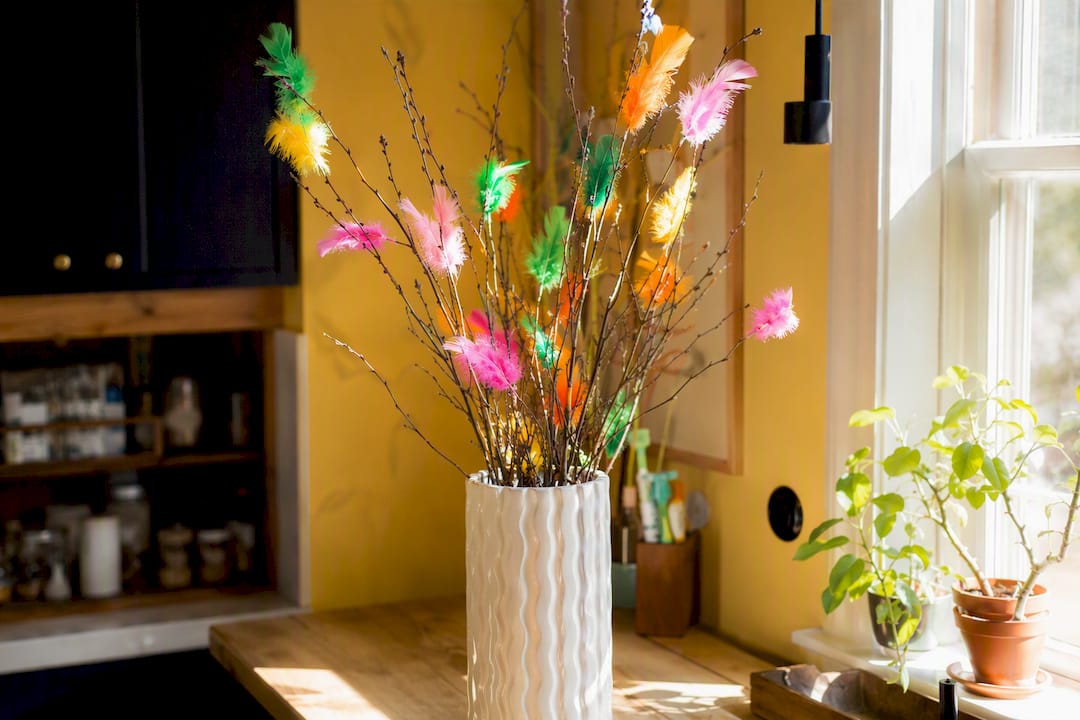
Then there’s påskris: birch twigs decorated with colorful feathers, displayed in vases around the house. The bright, slightly chaotic look of a feathered branch sets the same tone as the candy itself, cheerful and a little over the top.
Both customs frame candy as something shared and displayed, not just eaten in private. Chef’s Pencil’s overview of Swedish Easter foods notes that candy and festive decor sit right alongside the herring, eggs, and other savory dishes on the holiday table, part of the same spread rather than an afterthought.
How to Build Your Own Påskägg Step by Step
Building a påskägg takes maybe fifteen minutes once you have the candy on hand. Here’s the order that works:
- Pick a reusable egg. Cardboard or papier-mâché eggs are easiest to find and hold up to repeated use.
- Choose your candy mix. Aim for four or five categories, gummies, chocolate, marshmallow, something sour, maybe a touch of licorice, rather than one type repeated.
- Portion by recipient. Kids’ eggs skew heavier on gummies and marshmallow; adult eggs can carry more chocolate and licorice.
- Fill in layers. Put firmer items like chocolate near the bottom, softer or stickier candy on top so nothing gets crushed.
- Add a small non-candy token. A tiny toy, a coin, or a handwritten note stretches the moment past just eating sweets.
- Close and present. Set it on the Easter table, hand it over directly, or hide it for a short egg hunt.
Pro Tip: Slip one small non-candy item into the egg, a sticker, a tiny toy, a folded joke, so the recipient has something left after the candy’s gone. It’s a cheap trick that makes the egg feel like more than a snack container.
If you’d rather skip the assembly, Hulten Favoritmix already combines several candy types in one bag, useful as a base layer you can round out with your own additions.
Where to Buy Authentic Swedish Easter Candy
Buying ready-made beats hunting for individual bags if you’re short on time or don’t have a Swedish grocer nearby. A few things worth checking before you order:
- Brand authenticity. Stick to actual Swedish brands rather than generic “Scandinavian-style” candy, which often skips the real flavor profile entirely.
- Ingredient notes. Check for gelatin-free options if you need vegan gummies, and flag anything with salmiak if the recipient hasn’t tried salty licorice before.
- Shipping timing. Order ahead of Easter to allow for shipping time. The Kitchn recommends building in buffer time for holiday delivery windows, and it’s good advice regardless of where you’re ordering from.
- Portion sizing. A single small bag rarely fills a påskägg on its own. Plan for two or three items per egg if you’re mixing categories.
Sweets by Svea carries individual pieces alongside curated bundles. Skumfamiljen’s sprinkle loafs work well for the marshmallow layer, Ahlgrens Bilar covers the classic gummy category, and Candy Lovers Favorite is built as a ready mix if you’d rather not shop piece by piece. For DIY egg shells, a supplier like Latvian Candles’ egg-shaped molds can help if you’re making decorative eggs from scratch rather than buying pre-made ones.
What Swedish Candy Sellers Hear Every Easter
Every Easter, the same request comes up again and again: customers want a mix, not a single candy. They’ll ask for one bag with something chewy, something chocolate, and “whatever’s popular in Sweden right now.” The most personalized orders usually include one item the buyer remembers from childhood and one they’re trying for the first time, often salty licorice. Packaging for shipment matters just as much as the candy itself. Chocolate travels wrapped separately from anything sticky, so nothing melts into anything else by the time it reaches the door.
Order Your Swedish Easter Candy Collection Today
Building a påskägg from scratch means hunting down five or six different candies before you’ve filled a single egg. Sweets by Svea skips that step: authentic Swedish brands, shipped worldwide in one order, with delivery in 1 to 3 days so your candy arrives fresh instead of sitting in transit for weeks.
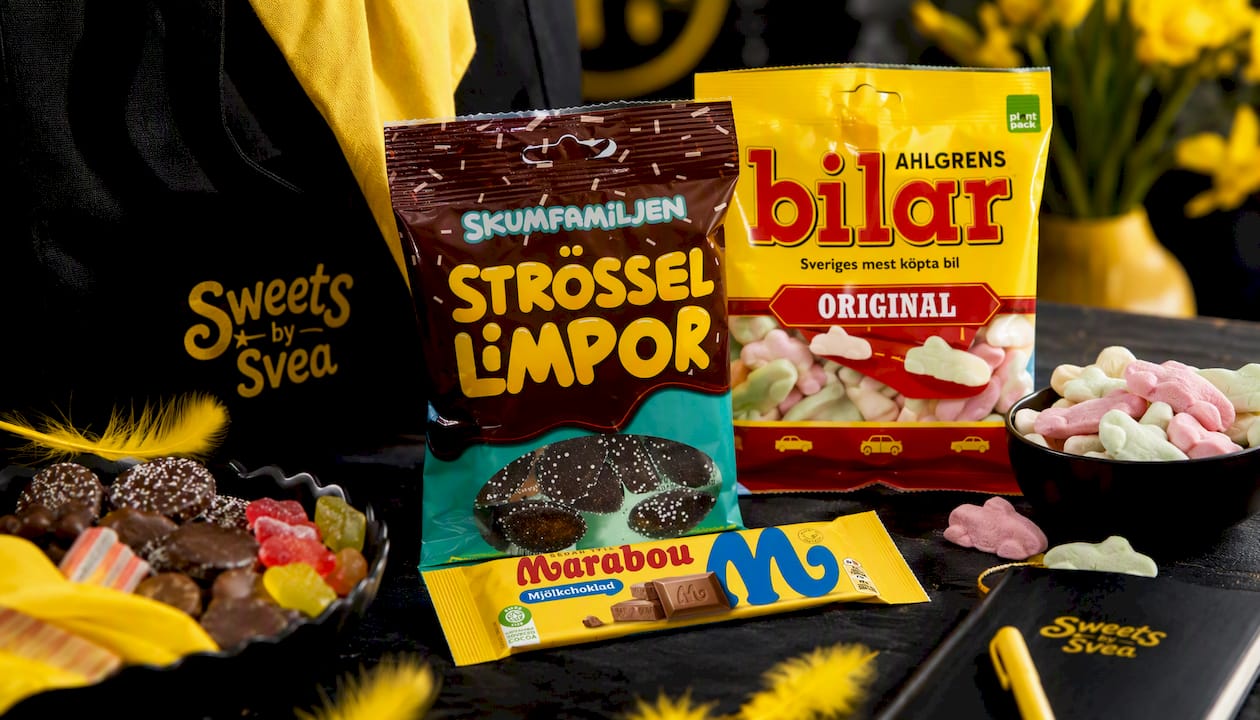
For a påskägg that hits every texture, grab Skumfamiljen’s sprinkle loafs for the marshmallow layer, Ahlgrens Bilar for the classic gummy category, or skip the sorting entirely with Candy Lovers Favorite, a mix already built for gifting. Every product ships free of GMOs, parabens, and high fructose corn syrup. Order a week or two before Easter to leave room for delivery, and check out Sweets by Svea’s full candy shop to build your own mix from scratch.
Frequently Asked Questions
What is Swedish Easter candy called? There’s no single name for it as a category, but the filled egg it comes in is called a påskägg. The candy inside is typically pick-and-mix, the same loose-candy format found in Swedish grocery stores year round.
What candy goes in a Swedish påskägg? A typical mix includes chewy gummies, chocolate, marshmallow or foam candy, sour or fizzy pieces, marzipan, and a small amount of salty licorice for contrast.
Is påskkärring the same as trick-or-treating? It’s similar in spirit. Children dress as Easter witches, visit neighbors, and trade drawings for candy, but it happens around Maundy Thursday or Holy Saturday rather than in the fall.
Can I reuse a påskägg every year? Yes. Most påskägg are made from sturdy cardboard or papier-mâché specifically so they can be emptied, stored, and refilled the following Easter.
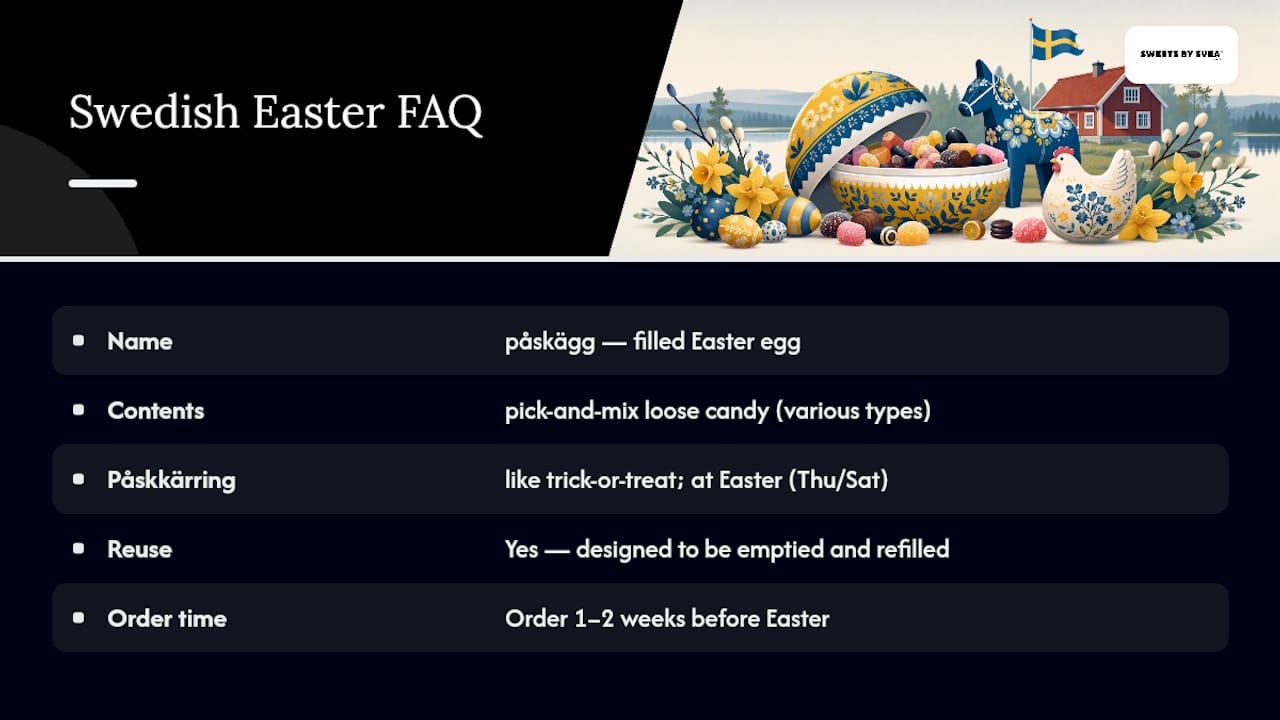
How far ahead should I order Swedish Easter candy? Order one to two weeks before Easter to account for shipping time, especially if you’re ordering candy internationally rather than buying locally.
Sources
- What Is a Påskägg? All About Swedish Easter Eggs | The Kitchn
- Easter in Sweden – a fine food feast and quirky customs | Visit Sweden
- Easter Swedish traditions — påsk and påskkärringar | Sweden3
- 10 Most Popular Swedish Easter Foods - Chef’s Pencil