
Swedish candy is meaningfully cleaner in ingredients than most U.S. candy, but it is not lower in calories or sugar in any way that matters nutritionally. That distinction is the whole story.
Here is what that means in practice:
- If you react to artificial dyes or avoid gelatin, Swedish candy is a genuine upgrade. Most Swedish gummies use plant-based colorings and cornstarch instead of synthetic azo dyes and animal gelatin.
- If you are counting calories or sugar grams, do not expect a meaningful advantage. Swedish and American candies land in a comparable calorie and sugar band, with differences that are typically single-digit percentages per 100 g, according to published nutrition summaries.
- Practical next step: flip the bag and read the ingredient list. The label tells you more than the country of origin ever will.
Named regulatory bodies like EFSA and the FDA set the rules that shape those ingredient lists, and they operate very differently. Products like Swedish Fish, Swedish Fish Classic Black Licorice, and Ahlgrens Bilar are the specific examples worth knowing.
Key Takeaways
Swedish candy is cleaner in ingredients than most U.S. candy, but the calorie and sugar content is comparable, making ingredient quality the meaningful difference for health-conscious shoppers.
| Point | Details |
|---|---|
| Cleaner ingredients, not fewer calories | Swedish and U.S. candies land in a similar calorie and sugar band; the real difference is fewer synthetic additives. |
| No HFCS, plant-based gelling | Swedish candy typically uses sucrose and cornstarch or pectin instead of HFCS and gelatin, making many products incidentally vegan. |
| EU regulation drives the difference | EFSA’s precautionary framework restricts synthetic dyes that the FDA permits, which is why Swedish ingredient lists are shorter. |
| Licorice carries a specific caveat | Real licorice contains glycyrrhizin; people with hypertension or who are pregnant should limit intake and consult a clinician. |
| Sweetsbysvea | Carries authentic Swedish candy (Swedish Fish, Ahlgrens Bilar, and more) free from GMOs, parabens, and HFCS, shipped in 1–3 days. |
Table of Contents
- What do people actually mean by “Swedish candy”?
- How do Swedish and American candy ingredients actually differ?
- Calories and sugar: how Swedish and American candy actually compare
- Vegan, gluten-free, and licorice caveats worth knowing
- A practical checklist for spotting a cleaner candy at the store
- Popular Swedish candies U.S. shoppers ask about
- Why EU rules and Swedish manufacturer choices lead to cleaner labels
- How to enjoy Swedish candy with less nutritional downside
- Sweetsbysvea’s honest take on Swedish candy and health
- Authentic Swedish candy, shipped to your door
- Sources
What do people actually mean by “Swedish candy”?
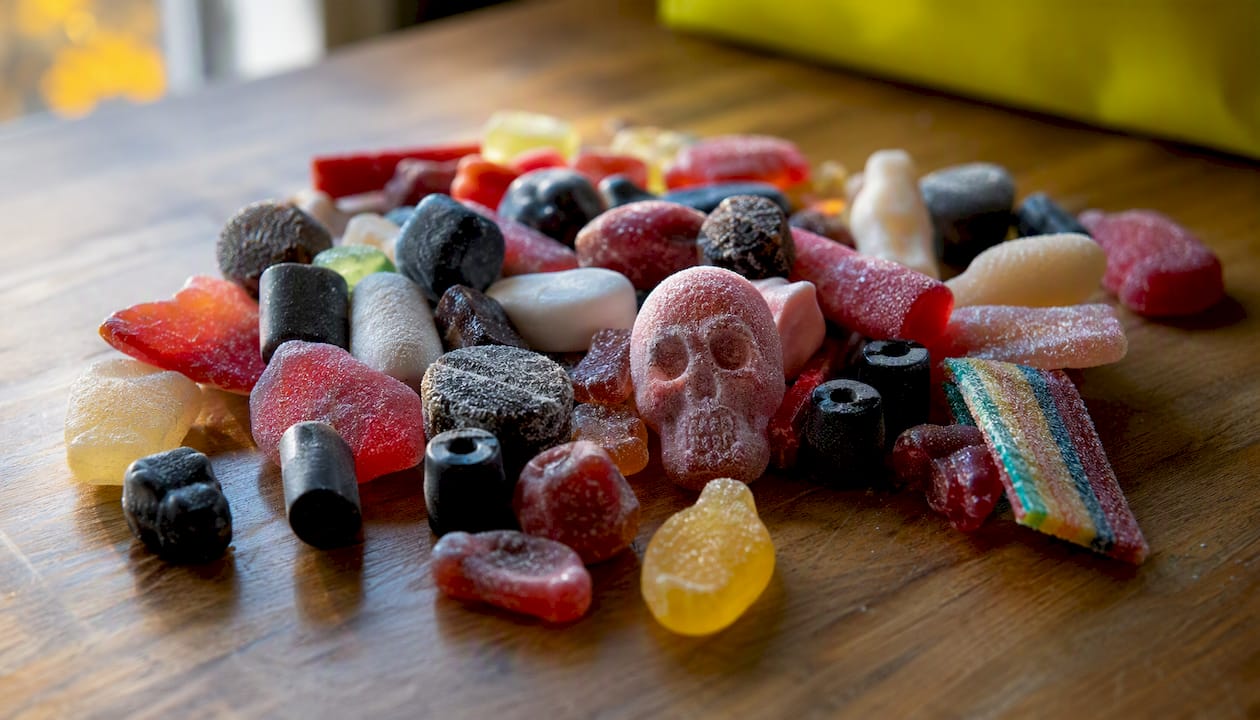
“Swedish candy” covers a broad family of confections: gummies, licorice, marshmallow-style sweets, and hard candies produced under Swedish or broader EU food standards. The formats lean heavily on starch-based gelling agents (cornstarch, potato starch, pectin) rather than gelatin, and colorings tend to come from plant extracts like black carrot, spirulina, or elderberry rather than petroleum-derived dyes.
The cultural anchor is lördagsgodis, or Saturday candy. The tradition, still practiced widely in Sweden, limits candy to one day a week, typically Saturday. As Serious Eats notes, this portioning habit shapes how Swedes consume candy in a way that has nothing to do with the candy’s nutritional profile and everything to do with frequency. A bag of gummies eaten once a week hits your body very differently than the same bag grazed through over seven days.
The “Swedish” label also signals a regulatory environment. EU food law governs what goes into these products, and that framework is structurally more restrictive on certain additives than U.S. rules. That is the real driver behind the cleaner ingredient lists, not a deliberate health mission by candy makers.
How do Swedish and American candy ingredients actually differ?
The differences are real and consistent across most Swedish candy categories. Here is where they show up:
- Sweetener type: Swedish candy uses sucrose (cane or beet sugar) and glucose syrup. High-fructose corn syrup (HFCS) is rare in Swedish formulations, partly because EU agricultural policy makes corn syrup less economically attractive and partly because consumer preference has pushed manufacturers away from it. The metabolic difference between sucrose and HFCS at moderate intake is debated, but many health-conscious shoppers prefer to avoid HFCS on principle.
- Colorings: Many Swedish candies use plant-derived color extracts instead of synthetic azo dyes like Red 40, Yellow 5, or Yellow 6. The EU requires a warning label on foods containing six specific azo dyes, which has pushed Swedish manufacturers toward natural alternatives. The FDA permits those same dyes without a warning label.
- Gelling agents: Cornstarch and pectin dominate Swedish gummies and marshmallow-style sweets. Gelatin, which is animal-derived, is far less common. This makes a large share of Swedish candy incidentally vegan, a meaningful difference for a growing segment of U.S. shoppers.
- Preservatives and additives: Swedish candy ingredient lists tend to be shorter overall. Ingredient analysis comparing Swedish and American candy consistently finds fewer total additives in Swedish products.
Some of these differences are regulatory mandates; others are manufacturer choices driven by what Swedish consumers expect. Either way, the result on the label is the same: fewer synthetic ingredients.
Calories and sugar: how Swedish and American candy actually compare
The honest answer on nutrition is that Swedish candy is not a low-sugar food. Gummies, licorice, and marshmallow sweets are sugar-forward by design. What the numbers show is that Swedish and U.S. candies occupy a similar caloric range, with ingredient quality as the real differentiator.
Figures are approximate, drawn from published label data. Always check the current label, as formulations change.
The calorie gap between Swedish and American gummies is nutritionally marginal. What the table does show clearly is the sweetener and gelling agent columns, where the structural differences live.
How to read a candy label in under 60 seconds:
- Check serving size first. A 40 g serving is about a small handful. Most people eat two to three servings without realizing it.
- Find total sugar per serving, not per 100 g. That is the number that affects your blood sugar.
- Scan the first three ingredients. Sweeteners listed first (sucrose, glucose syrup, HFCS) tell you what the candy is mostly made of.
- Look for HFCS specifically. It appears as “high fructose corn syrup” on U.S. labels.
- Check for fiber and protein. Almost no candy has meaningful amounts of either, but some newer formulations do.
- Do the portion math. If the bag contains four servings and you eat the whole bag, multiply every number by four.
Vegan, gluten-free, and licorice caveats worth knowing
Swedish candy’s dietary profile is one of its clearest advantages over typical U.S. candy:
- Vegan by default: Because most Swedish gummies use cornstarch or pectin instead of gelatin, they are vegan without any special formulation. This is not a marketing claim on most products; it is just how they are made.
- Gluten-free prevalence: Many Swedish gummies and marshmallow-style sweets are naturally gluten-free. Licorice is the exception, since traditional Swedish licorice often contains wheat flour as a structural ingredient.
- No HFCS: This is consistent across most Swedish candy categories and is a genuine formulation difference from many U.S. products.
The licorice caveat is real and worth taking seriously. Swedish Fish Classic Black Licorice and traditional Swedish licorice products made with real licorice root contain glycyrrhizin, a compound from Glycyrrhiza glabra. At high, sustained intake, glycyrrhizin can raise blood pressure and affect potassium levels. The nutrition guide on Swedish candy flags this specifically. People with hypertension, those who are pregnant, or anyone on medications that affect potassium should limit real licorice and check with a clinician if they eat it regularly. Occasional moderate consumption is not the concern; daily large servings are.
On the label, check the allergen statement for wheat (licorice), and look for “licorice extract” or “licorice root” in the ingredient list if glycyrrhizin is a concern for you.
A practical checklist for spotting a cleaner candy at the store
You do not need a nutrition degree to pick the better option. Run through this list in about 30 seconds:
- Ingredient list length: Shorter is generally better. A Swedish gummy with eight ingredients is likely cleaner than a U.S. equivalent with eighteen.
- Sweetener check: Does it list HFCS? If yes, that is a formulation choice you can avoid. Sucrose and glucose syrup are the Swedish standard.
- Color sources: Look for “color (black carrot extract)” or “color (spirulina)” rather than “Red 40” or “Yellow 5.”
- Gelling agent: “Cornstarch” or “pectin” means plant-based. “Gelatin” means animal-derived.
- Serving size and sugar grams: Keep total sugar per sitting under 25 g if you are watching intake. That is roughly one standard serving of most gummies.
In practice, comparing two bags side by side makes this fast. An Ahlgrens Bilar ingredient list reads: sugar, glucose syrup, water, modified starch, citric acid, natural flavors, color (black carrot extract). A typical U.S. gummy bear reads: corn syrup, sugar, gelatin, citric acid, lactic acid, natural and artificial flavors, Yellow 5, Red 40, and Blue 1. The difference is visible in ten seconds.
Pro Tip: Keep single servings to around 40 g (a small handful) and pair them with a small portion of nuts or cheese. The fat and protein slow glucose absorption and reduce the blood sugar spike from the sugar in the candy.
Popular Swedish candies U.S. shoppers ask about
These three products come up constantly in conversations about Swedish candy vs American candy, and each has specific things worth checking:
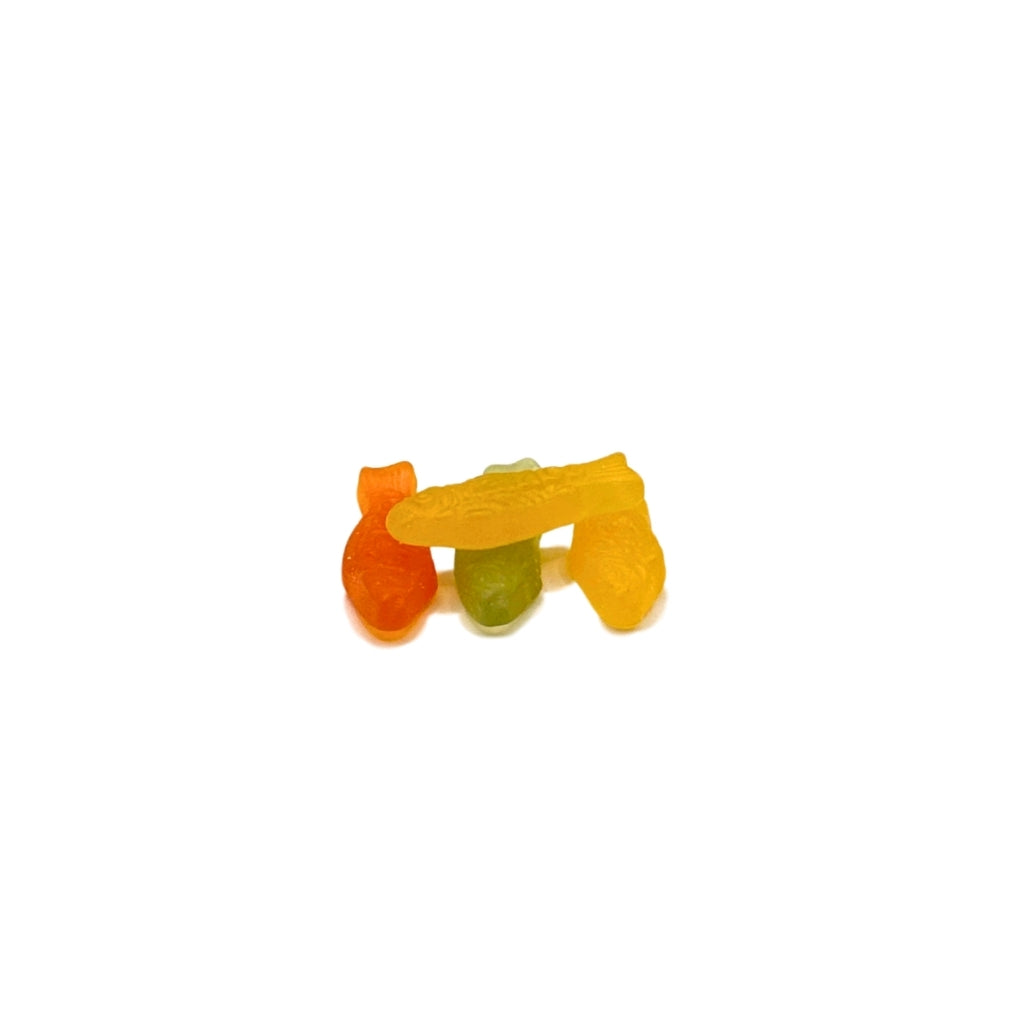
- Swedish Fish: The most recognized Swedish candy in the U.S. market, though the version sold in the U.S. is manufactured domestically. The classic red fish uses sucrose, invert sugar, and cornstarch, with no gelatin and no artificial colors in the original formulation. It is incidentally vegan. Check the current label, since U.S. market formulations can differ from Swedish-market versions. More background on the product’s origin is at Are Swedish Fish Swedish?
- Swedish Fish Classic Black Licorice: This variant uses real licorice extract, which means the glycyrrhizin caveat above applies. The sweetener profile is still sucrose-based and avoids HFCS. People with blood pressure concerns should treat this as an occasional treat, not a daily snack. The Business Sweden overview of popular Swedish candies notes that licorice remains one of Sweden’s most beloved candy categories.
- Ahlgrens Bilar Original: The car-shaped marshmallow gummies that have been a Swedish staple since 1953. They use cornstarch as the gelling agent, natural colorings, and sucrose-based sweeteners. The texture is softer and less chewy than gelatin-based gummies, which surprises some U.S. shoppers. Naturally vegan and typically gluten-free. The 160 g bag contains roughly four servings, so portion accordingly.
Manufacturers sometimes adjust formulations for different markets. Always verify the ingredient list on the product page or the physical package rather than relying on general descriptions.
Why EU rules and Swedish manufacturer choices lead to cleaner labels
The structural explanation for cleaner Swedish candy labels is regulatory, not cultural. EFSA, the European Food Safety Authority, applies a precautionary framework to food additives: when evidence of harm is uncertain, the EU tends to restrict or require warning labels rather than wait for definitive proof. The FDA operates on a risk-assessment model that generally permits additives until evidence of harm is established at normal consumption levels.
The practical result: several synthetic azo dyes that are freely permitted in U.S. candy carry mandatory warning labels in the EU (“may have an adverse effect on activity and attention in children”). Swedish manufacturers responded by switching to natural colorings. That regulatory pressure, not altruism, is why the ingredient lists look different.
One line that gets lost in the “Swedish candy is healthier” conversation: regulation reduces certain additives but does not reduce sugar or calories. A candy can have a spotless ingredient list and still deliver 28 g of sugar per serving. Cleaner does not mean light.
How to enjoy Swedish candy with less nutritional downside
Candy is a treat. The goal is not to eliminate it but to consume it in a way that does not undermine everything else you are doing for your health:
- Buy smaller packages. A 50 g bag disappears in one sitting. A 500 g bag disappears in one sitting too, just with more regret. Smaller packages enforce portion control without willpower.
- Use the lördagsgodis model. Designate one or two days a week as candy days. The Swedish tradition works not because the candy is magical but because frequency matters more than quantity per session.
- Choose products with lower sugar per serving. Within the Swedish candy category, licorice tends to run slightly lower in sugar than gummies. Check the label and compare.
- Mix with nuts or fruit. A small bowl of gummies alongside almonds or apple slices slows eating pace and adds fiber and protein to the snack.
- Prefer plant-based gelling if you are avoiding animal products. Cornstarch and pectin-based gummies are widely available in Swedish candy ranges, including vegan and gluten-free options that carry explicit dietary labeling.
Pro Tip: Before opening a bag, pour out one serving (about 40 g) into a small bowl and put the bag away. Eating from the bowl instead of the bag cuts average consumption significantly, because the visual cue of an empty bowl registers as “done” in a way that a half-empty bag does not.
Storage and presentation matter more than most people expect. A candy dish on the counter invites grazing. The same candy in a cupboard, portioned into a small bowl on Saturday, is a completely different behavioral pattern.
Sweetsbysvea’s honest take on Swedish candy and health
Sweetsbysvea sells authentic Swedish candy, and we will not pretend that makes it a health food. What we will say, plainly, is that the ingredient quality difference is real and matters to specific groups: people avoiding synthetic dyes, people who eat vegan or gluten-free, and people who simply want a shorter, more recognizable ingredient list on their treats.
The calorie and sugar argument is a different story. If you are managing blood sugar or watching total sugar intake, Swedish candy is not a free pass. It is a cleaner option within the candy category, not a substitute for fruit or a low-glycemic snack.
For questions about specific ingredients or dietary compatibility, check the product page ingredient list or contact us directly. For clinical concerns, particularly around licorice and blood pressure, a conversation with your doctor is the right move.
Authentic Swedish candy, shipped to your door
Sweetsbysvea carries the full range of authentic Swedish candy described in this article, including Swedish Fish, Swedish Fish Classic Black Licorice, and Ahlgrens Bilar Original, sourced directly and shipped with 1–3 day delivery. Every product is free from GMOs, parabens, and high-fructose corn syrup, which means the cleaner ingredient standard described throughout this article is baked into the catalog, not a special-case exception.
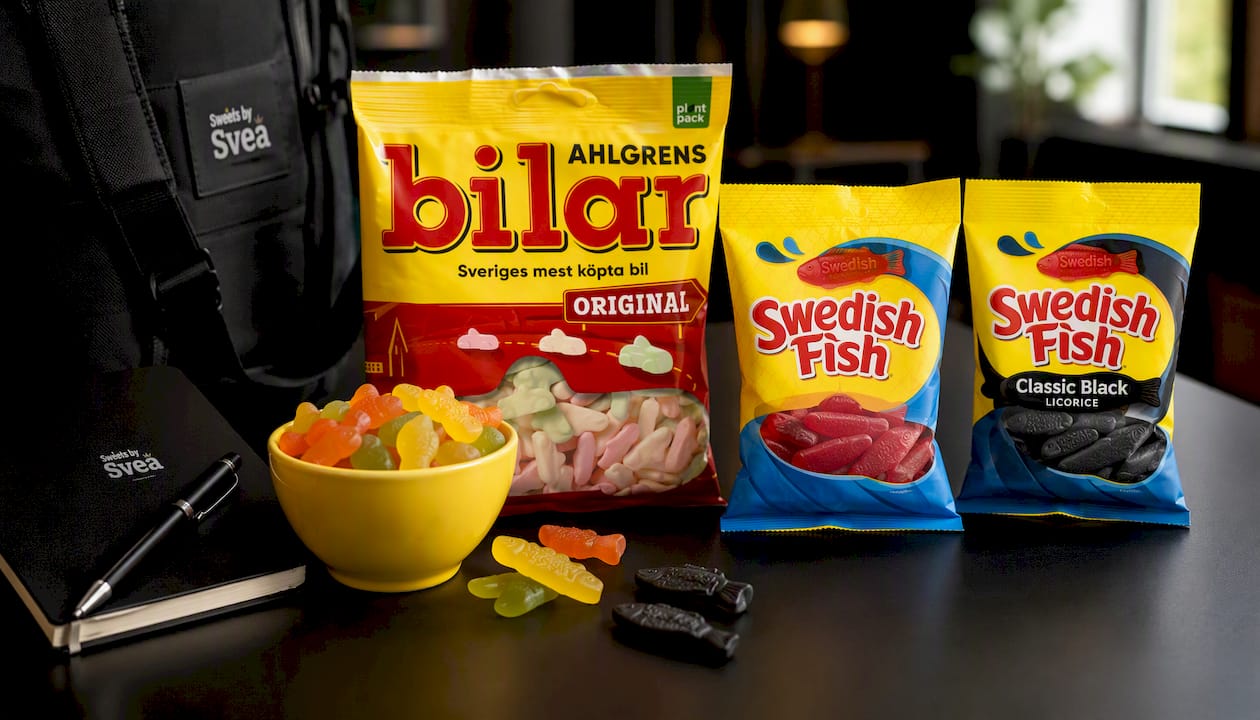
Product formulations can vary by market and production run, so always verify the ingredient list on the product page before purchasing if you have specific dietary requirements. Browse the full Swedish candy range at Sweetsbysvea and use the label-reading checklist from this article to pick the options that fit your goals.
Sources
- EFSA — Food additives
- Swedish Candy Calories & Nutrition: Complete 2026 Guide | SwedishCrave
- Serious Eats — Swedish candy feature
- 11 of the best-loved Swedish candy, and healthy alternatives | Business Sweden