
Tyrkisk Peber is the best salty licorice overall for most U.S. buyers, Lakrisal is the gentlest entry point for beginners, and Apteekin Salmiakki is the pick for hardcore salmiakki fans who want the full medicinal punch. If you’ve never tasted salty licorice before, that ranking matters because the gap between “mild” and “extra-salty” here is not a subtle gradient. It’s a flavor cliff.
Here’s the shortlist across the salt-intensity ladder:
- Lakrisal (Mild) — soft pastille, gentle anise, the safest first bite for newcomers
- Malaco Djungelvrål (Medium) — chewy gummy bears with a satisfying salty kick, easy to snack repeatedly
- Fazer/Pantteri (Medium) — Finnish chocolate-covered licorice with a sweet backbone that softens the salmiak edge
- Tyrkisk Peber (Strong) — hard pepper-flavored shell with a powder-filled salmiak center; the most widely recognized Nordic salty candy outside Scandinavia
- Apteekin Salmiakki (Extra-salty) — Finnish pharmacy-style pastille, distinctly medicinal and herbal, not for the faint-hearted
- Sockerbit salty shapes (Strong to Extra-salty) — salt-coated gummies with an intense surface hit that converts or repels on the first piece
- Haribo Salty Sea mix (Mild to Medium) — the most accessible entry point sold in the U.S., available in a 170g mix
U.S. buying note: Tyrkisk Peber and Fazer products are niche-import territory in the U.S. but reliably stocked through Sweetsbysvea with worldwide express delivery. Haribo Salty Sea is the easiest to find domestically.
Salty licorice is genuinely polarizing — locals across Finland, Sweden, and the Netherlands treat it as everyday comfort food, while many first-time tasters find it startling. That gap is exactly why a salt-level guide matters more here than it does for almost any other candy category.
Table of Contents
- How we evaluated and ranked these licorices
- What is salty licorice (salmiakki) and why does it taste so different?
- Where can you buy salty licorice in the United States?
- Top Nordic and Dutch salty licorice brands worth trying
- Key Takeaways
- The salt-intensity ladder is the only thing that actually matters here
- Ready to try authentic Nordic salty licorice?
- Authoritative sources and further reading
How we evaluated and ranked these licorices
Rankings here draw on a defined set of criteria applied consistently across every product:
- Salt intensity — assessed by the presence and concentration of ammonium chloride (salmiak) in the ingredient list, cross-referenced against Sweetsbysvea product listings and published tasting notes from sources including Sporked and Scandification.
Sample sourcing used Sweetsbysvea product listings, published taste-test roundups from Sporked, and cultural deep-dives from Scandification. Different production batches and regional recipe variations can shift salt intensity slightly, and coated versus core-powder variants of the same brand can taste meaningfully different. Treat the intensity ratings as a reliable guide, not a lab measurement.
Pro Tip: Testing salty licorice at home? Reset your palate between pieces with plain water and a plain cracker. Salmiak’s astringency lingers and can make the next piece taste saltier than it actually is. Small bites, not whole pieces, give you the most accurate read on a new product.
What is salty licorice (salmiakki) and why does it taste so different?
The short answer: it’s not salt. The “salty” character in salmiakki comes from ammonium chloride (salmiak), a compound that creates an astringent, sharp bite entirely distinct from what table salt does on your tongue. Where sodium chloride simply amplifies flavor, ammonium chloride triggers a complex sensory response closer to tannins in red wine or the numbing edge of strong tea. Some tasters pick up a faint cooling or menthol-like quality; others read it as medicinal. Both reactions are accurate.
The ingredient traces back to pharmacies. Pharmacists originally added ammonium chloride to licorice lozenges as a cough remedy, and the product migrated from medicine cabinet to candy shelf across Scandinavia and the Netherlands. Authentic Finnish makers, in particular, kept the herbal and medicinal backbone rather than sweetening it away, which is why brands like Apteekin Salmiakki still taste more like a throat lozenge than a conventional candy.
Format changes everything
The same salmiak formula tastes dramatically different depending on how it’s delivered:
- Salt-coated gummies (Sockerbit salty shapes, Malaco Djungelvrål) front-load the intensity on the surface, then soften into the chewy base.
- Chocolate-covered (Fazer Salmiakki bar) uses the sweetness and fat of chocolate to buffer the salmiak, making it the most approachable format for newcomers.
A note on licorice root and moderation
Licorice root contains glycyrrhizin, a compound that can raise blood pressure and cause potassium imbalance when consumed in large quantities. The FDA and European food safety authorities both note that regular high consumption of licorice candy warrants caution, particularly for people with hypertension or heart conditions. Occasional snacking at normal serving sizes is generally considered fine for healthy adults, but it’s worth knowing the ingredient is there.
Pro Tip: Allow a hard salmiak pastille to dissolve on your tongue rather than chewing it immediately. Chewing bypasses the slow salmiak release and can make a mild product taste far more intense than intended.
Salty licorice appears in formats ranging from soft gummies to hard pastilles, powder-filled shells, and even chocolate bars — and the format shapes the tasting experience as much as the salmiak concentration itself.
Where can you buy salty licorice in the United States?
Authentic Nordic salty licorice is genuinely hard to find in standard U.S. grocery stores. Most mainstream candy aisles carry American-style black licorice (think Twizzlers Black or Red Vines Black), which shares the anise flavor but contains no salmiak at all. For the real thing, you need a specialty source.
Sweetsbysvea is the most straightforward option for U.S. buyers who want authentic Swedish and Nordic brands. The store carries products like Lakrisal Salmiak, Malaco Djungelvrål, Fazer Salmiakki, and the Haribo Salty Sea mix, all shipped with express delivery. Products are free from GMOs, parabens, and high fructose corn syrup, which matters when you’re buying imported candy and can’t inspect the label in person before purchasing.
Beyond Sweetsbysvea, your options include:
- Specialty Nordic or Scandinavian grocery stores in cities with larger Scandinavian-American communities (Minneapolis, Seattle, Chicago) sometimes stock a rotating selection of salmiak products.
- Ethnic grocery importers and online marketplace sellers occasionally list Nordic candy, though stock is inconsistent and expiration date management varies.
- International food sections of larger grocery chains sometimes carry Haribo’s salty variants, which are the most widely distributed salmiak-containing products in the U.S.
Buying tips:
- Check the pack size before ordering. A 26g Lakrisal tin is a low-commitment first try. A 170g Haribo Salty Sea bag is better value if you already know you like the flavor.
- Confirm “salmiak” or “ammonium chloride” appears in the ingredients. Don’t rely on the product name alone.
- Read consumer reviews specifically for salt-level comments. Reviewers who mention “surprisingly salty” or “medicinal” are giving you useful calibration data.
- Check expiration dates on import orders. Most hard salmiak pastilles and sealed gummy bags keep well for 12–18 months from production, but powder-filled products can absorb moisture and clump if stored improperly.
Storage: Keep salty licorice in a cool, dry place away from direct sunlight. Once opened, reseal the bag tightly or transfer to an airtight container. Humidity is the main enemy, particularly for powder-filled formats like Tyrkisk Peber.
Pro Tip: Order a small sampler across two or three salt levels before committing to a large bag. Starting with a 26g Lakrisal and a Tyrkisk Peber single-serve gives you a clear sense of the mild-to-strong range without a significant investment.
Top Nordic and Dutch salty licorice brands worth trying
These six brands represent the range of what authentic salty licorice actually looks like, from the approachable to the genuinely challenging.
Tyrkisk Peber
Made by Fazer, Tyrkisk Peber is the most internationally recognized Nordic salty candy. The hard shell carries a pepper-spiced flavor, and when it cracks open, a concentrated salmiak powder hits the center of your tongue. That powder-filled format is what makes it a strong-category product rather than a medium one, even though the shell itself is relatively mild. It’s the pick for anyone who’s moved past beginner territory and wants something with genuine character.
Fazer/Pantteri
Pantteri is a Finnish classic: soft, chewy licorice pieces coated in a thin layer of sugar. The salmiak level is medium, and the sweet coating makes it one of the friendliest introductions to Finnish licorice for anyone coming from an American candy background. The Fazer Salmiakki chocolate bar takes the same salmiak base and wraps it in milk chocolate, which buffers the intensity further and works well as a cross-category introduction.
Apteekin Salmiakki
The name translates roughly to “pharmacy salmiakki,” and the flavor lives up to that origin. These are hard Finnish pastilles with a high ammonium chloride concentration and a distinctly herbal, medicinal profile that traces directly back to the cough-lozenge tradition documented by Finnish cultural sources. There is almost no sweetness here. For hardcore salmiakki fans, that’s exactly the point. For newcomers, it’s a significant shock.
Malaco Djungelvrål
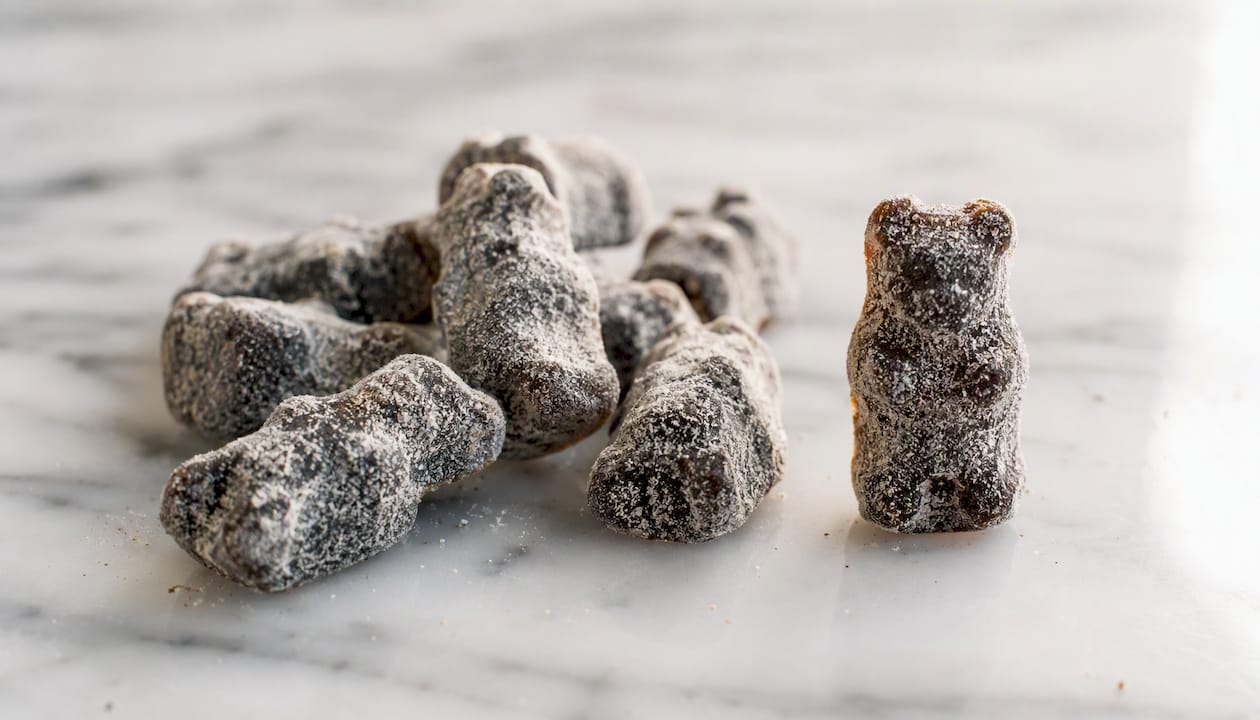
Djungelvrål (“jungle roar”) are small, chewy gummy bears with a medium salmiak coating. The format is approachable, the texture is familiar to anyone who eats gummy candy, and the salt level is strong enough to be interesting without being aggressive. They’re a good bridge product for someone who liked Haribo Salty Sea and wants to step up slightly.
Lakrisal
Lakrisal pastilles are the gentlest entry point on this list. The salmiak concentration is low, the anise flavor is clean, and the hard pastille format means the flavor develops slowly. A 26g tin of Lakrisal Salmiak is genuinely the best first purchase for anyone who has never tried salmiak and wants to understand what the category is about before committing to something stronger.
Sockerbit salty shapes
Sockerbit’s salt-coated gummies represent the modern, novelty end of the salty licorice spectrum. The surface coating delivers an immediate, sharp salmiak hit before the gummy base softens it. Taste-test roundups have noted that salt-coated formats like these are effective at converting curious tasters but can also be the format most likely to put someone off the category entirely if they’re not prepared. Try one piece before eating a handful.
Key Takeaways
The best salty licorice for most U.S. buyers is Tyrkisk Peber for its strong salmiak punch and wide Nordic recognition, while Lakrisal is the safest starting point for anyone new to the category.
| Point | Details |
|---|---|
| Start mild, move up | Lakrisal (mild pastille) is the best first buy; move to Malaco Djungelvrål or Tyrkisk Peber once you know you like salmiak. |
| Format drives intensity | Powder-filled and salt-coated formats hit harder than plain gummies or pastilles at the same salmiak concentration. |
| Check the ingredients | Authentic salty licorice lists “ammonium chloride” or “salmiak”; products without it are sweet licorice, not salmiakki. |
| U.S. availability is limited | Most authentic Nordic brands are niche-import only; Sweetsbysvea stocks Lakrisal, Malaco Djungelvrål, Fazer Salmiakki, and Haribo Salty Sea with express worldwide delivery. |
| Sweetsbysvea for U.S. buyers | Sweetsbysvea is the most reliable source for authentic Nordic salty licorice shipped to the United States, with GMO-free and HFCS-free products. |
The salt-intensity ladder is the only thing that actually matters here
Most candy guides treat salty licorice as a novelty category and spend their word count on cultural backstory. That’s useful context, but it doesn’t help you decide what to put in your cart.
The single most important variable is where you sit on the salt-tolerance spectrum, and the honest answer for most American candy buyers is: lower than you think. The astringency of ammonium chloride is genuinely unlike anything in the standard U.S. candy aisle. It’s not “salty like a pretzel.” It’s closer to the sensation of strong black tea or a very dry red wine, with an anise base underneath. Starting too strong is the most common reason people write off the entire category after one bad experience.
What I’d push back on is the framing that salty licorice is an acquired taste you have to suffer through. The mild-to-medium range, specifically Lakrisal and Fazer/Pantteri, is genuinely enjoyable on the first try for most people who like anise at all. The medicinal, hardcore end of the spectrum (Apteekin Salmiakki, high-concentration Finnish pastilles) is a different product category in all but name. Treating them as the same thing is like telling someone who likes mild cheddar to try aged Limburger and calling it the same experience.
The cultural history here is real and worth knowing. But the practical advice is simpler: buy mild first, taste it properly (dissolve, don’t chew), and move up the ladder only when you’re ready. The category rewards patience.
Ready to try authentic Nordic salty licorice?
Sweetsbysvea carries the full range of Nordic salty licorice that U.S. buyers actually want, from the beginner-friendly Lakrisal pastille to Fazer Salmiakki and Malaco Djungelvrål, all shipped with express delivery and no GMOs, parabens, or high fructose corn syrup. You’re not guessing at what’s in the bag.
The Candy Lovers Favorite bundle is a strong starting point if you want to sample across categories before committing to a full bag of any single product. For a dedicated salty licorice order, search “salmiak” directly on the Sweetsbysvea site to filter by salt level and format. Every product page lists ingredients in full, so you can confirm ammonium chloride is present before you buy.
Sweetsbysvea sources authentic Swedish and Nordic products and ships worldwide. Browse the full store and place your first order today.
Authoritative sources and further reading
The sources below were selected for their combination of cultural depth, tasting context, and factual accuracy on salmiak as an ingredient and a confectionery tradition.
- Salty liquorice - Wikipedia
- Why Some Northern Europeans Are So Into Salty Licorice | Mental Floss
- Salmiakki: Finland’s salty liquorice obsession explained | Scandification
- Best Licorice: Best Black Licorice Candy Taste Test! | Sporked
- Salty licorice: the Scandi treat you’ll love or hate - Routes North
- Yle (Finnish broadcasting) — cultural/food reporting
For U.S. availability, check current Sweetsbysvea product listings directly at sweetsbysvea.com, where inventory is updated regularly and import stock is confirmed before listing.