
Yes, you can freeze chocolate, and it stays safe indefinitely at a steady 0°F (−18°C). What changes is quality, not safety: expect a dusty white or gray surface called bloom, a softer snap, and a duller shine after thawing. Freezing works best for baking stock, bulk purchases, or protecting bars from summer heat. Wrap everything airtight and thaw it slowly.
TL;DR:
- Freezing chocolate for longer storage is suitable primarily for bulk purchases, baking ingredients, or protecting chocolate during hot weather, typically lasting 3 to 6 months for most types.
- Proper preparation involves double-wrapping, airtight sealing, slow acclimation in the refrigerator before freezing, and portioning into recipe-friendly sizes to prevent quality loss and bloom.
- Thawing should be gradual, keeping chocolate wrapped during the process and avoiding quick temperature changes to minimize cosmetic bloom and texture issues.
- Tempered, filled, or decorated chocolates are not suitable for freezing, as ice crystals damage their finish and structure, making pantry storage a better option for such items.
- Frozen chocolate remains safe to consume indefinitely at 0°F, but quality deteriorates past the optimal storage window, especially for high-cocoa-butter couverture or filled chocolates.
Table of Contents
- When Should You Freeze Chocolate Instead of Using the Pantry?
- How Do You Prepare and Freeze Chocolate the Right Way?
- How Do You Thaw Frozen Chocolate Without Ruining It?
- What Actually Happens to Chocolate’s Texture and Flavor?
- How Long Does Chocolate Actually Last in the Freezer?
- Which Chocolates Should You Never Put in the Freezer?
- What We’ve Learned Shipping Swedish Chocolate Worldwide
- When Does Freezing Actually Make Sense?
- Get Fresh Swedish Chocolate Without Filling Your Freezer
- Primary Sources Used
- Sources
- FAQ
When Should You Freeze Chocolate Instead of Using the Pantry?
A cool, dark pantry between 65°F and 70°F is the right home for most chocolate most of the time. Freezing is a tool for specific problems, not a default habit.
Reach for the freezer when you’ve bought in bulk and won’t finish it for months, when your kitchen runs hot in summer and a pantry can’t hold a stable temperature, or when you’re stockpiling baking chocolate for a big holiday bake. Freezing also buys time for chocolate chips and couverture blocks destined for melting, where a little surface bloom won’t matter once they hit a double boiler.
Skip the freezer for anything meant to be seen or gifted. Tempered bars, hand-painted bonbons, and decorated truffles lose their glossy finish and sharp snap the moment ice crystals form and reform inside them. A gift-worthy Swedish chocolate mix should go straight to the recipient, not into cold storage.
Run through this before you commit a bar to the freezer:
- Temperature: Is your pantry or fridge already stable enough, or is heat actually a threat?
- Intended use: Will this be eaten as-is, or melted into something else?
- Product type: Plain bar, filled truffle, or chocolate chips?
- Packaging: Is the original wrapper intact, or already opened and exposed to air?
If the answer points toward “eaten soon and enjoyed for looks,” leave it out of the freezer. If it points toward “used later in a recipe,” freezing is a reasonable move.
How Do You Prepare and Freeze Chocolate the Right Way?
Getting this wrong is what causes the worse bloom and off-flavors people blame on freezing. Getting it right is mostly about patience and airtight packaging.
- Inspect first. Discard anything with a sour smell, visible mold, or signs of pest activity. Keep the original wrapper on if it’s still sealed.
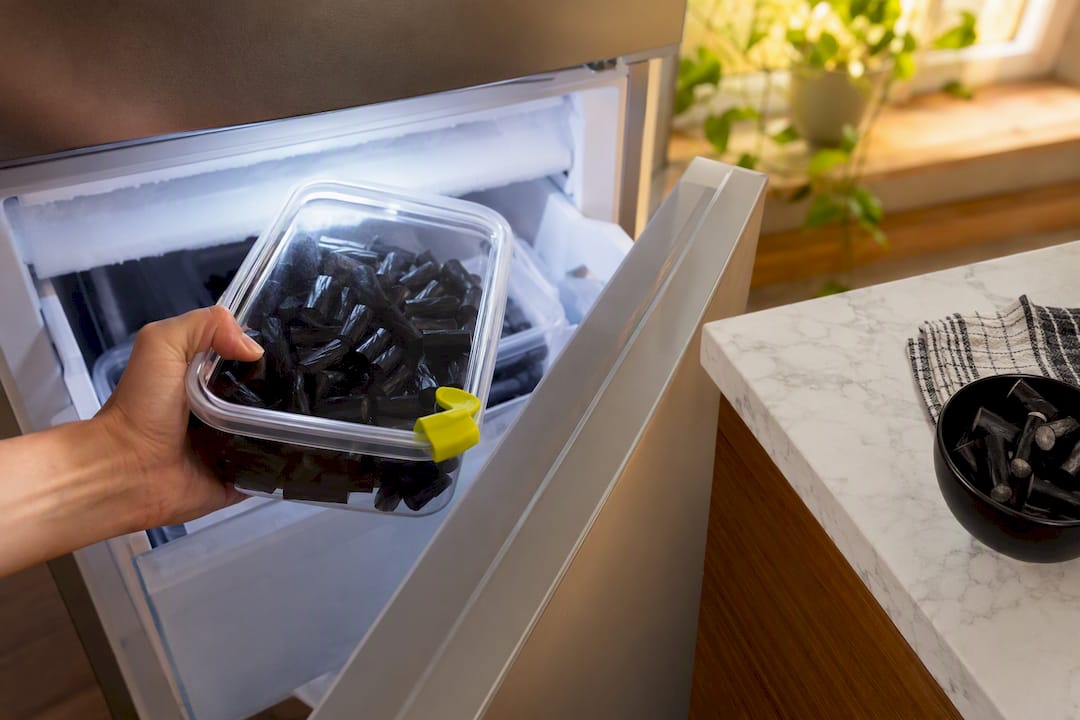
- Double-wrap. Cover the chocolate tightly in plastic wrap, then a layer of foil, to block moisture and stray odors from other freezer contents.
- Seal it airtight. Place the wrapped chocolate in a freezer bag with the air pressed out, or vacuum-seal it to follow best storage method comparisons for roasted goods at home and prevent aroma transfer. Airtight sealing is the single biggest factor in preventing bloom and freezer-taste transfer.
- Label everything. Write the date and contents on the bag. Chocolate that sits unlabeled in a freezer door has a way of becoming a mystery block by spring.
- Acclimate in the fridge first. Give it about 24 hours in the refrigerator before moving it to the freezer. This step reduces the temperature shock that drives moisture to the surface.
- Freeze flat and steady. Lay it on a flat shelf, away from the door where temperature swings are worst, at a constant 0°F (−18°C).
Thin pieces can fully freeze in 30 to 60 minutes, while thicker bars take one to two hours, so don’t rush the process by cranking the freezer colder than it’s built to run.
Pro Tip: Portion your chocolate into recipe-sized chunks before freezing. Thawing a whole 500g bar just to break off two ounces for a cookie batch means the rest goes through unnecessary temperature swings.
How Do You Thaw Frozen Chocolate Without Ruining It?
Rushing the thaw is where most home cooks lose the fight against bloom. The chocolate needs to warm up in stages, still wrapped, so condensation forms on the packaging instead of the chocolate itself.
- Move it from the freezer to the refrigerator and leave it there for about 24 hours.
- Then transfer it to the counter and let it finish coming to room temperature, still sealed.
- Keep the wrapping on through the entire process. Unwrapping early is what invites moisture straight onto the chocolate’s surface, which is a main driver of bloom.
- If you’re short on time, plan to bake or melt the chocolate rather than eat it plain. Heat erases cosmetic bloom instantly.
If you unwrap a bar and find a chalky white film or a slightly gritty texture, don’t panic and don’t toss it. That’s cosmetic, not spoilage. Melt it into a ganache, stir it into brownie batter, or use it as a hot fudge base, and the bloom disappears completely.
What Actually Happens to Chocolate’s Texture and Flavor?
Two different things get lumped together under “chocolate went bad in the freezer,” and neither one is actually spoilage.
Fat bloom happens when cocoa butter migrates to the surface and recrystallizes, leaving a grayish, streaky film. Sugar bloom happens when moisture dissolves sugar on the surface, which then recrystallizes into a gritty coating once the moisture evaporates. Both are cosmetic and textural, not a food-safety concern.
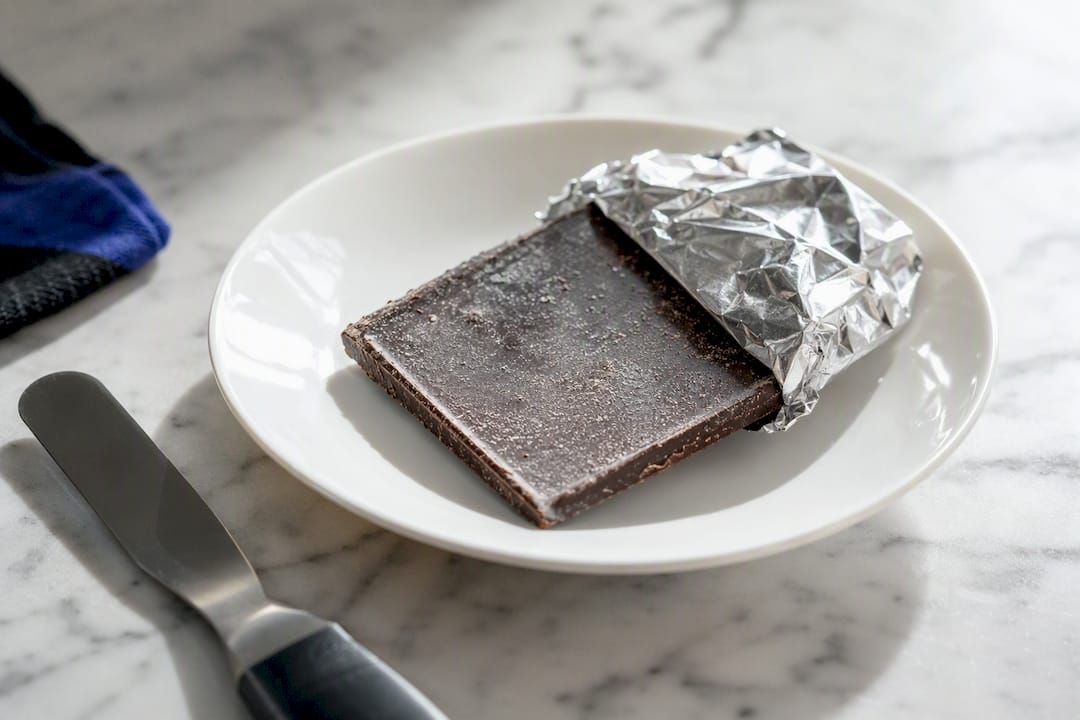
Premium couverture chocolate takes the hardest hit. Its high cocoa-butter content, prized for that clean snap and glossy finish, makes its crystal structure especially sensitive to temperature swings. A cheap milk chocolate bar barely shows the difference; a fine dark couverture bar shows it clearly.
None of this rules out using thawed chocolate. It’s arguably better suited to:
- Melting for dipping fruit or pretzels
- Baking into cookies, brownies, or cakes
- Stirring into sauces or ganache
- Topping ice cream, where texture differences vanish under heat
How Long Does Chocolate Actually Last in the Freezer?
Frozen chocolate stays technically safe to eat almost indefinitely at a stable 0°F. Quality is a different story, and it depends heavily on the type of chocolate you’re freezing.
| Chocolate type | Optimal quality window |
|---|---|
| Dark chocolate | 3 to 6 months |
| Milk chocolate | 3 to 6 months |
| White chocolate | 3 to 4 months |
| Chocolate chips | several months |
| Filled chocolates/truffles | quality is best within a shorter number of months |
These are quality-focused windows, not expiration dates. Chocolate past its optimal window won’t make you sick, but the snap, gloss, and flavor will have faded noticeably. Label every bag with the freeze date, rotate older stock to the front, and keep the freezer temperature steady rather than letting it cycle up and down with a poorly sealed door.
Which Chocolates Should You Never Put in the Freezer?
Some chocolate just isn’t built for cold storage, no matter how carefully you wrap it.
Tempered bars with a mirror shine lose that finish permanently once ice crystals disrupt the cocoa butter’s structure. Hand-decorated bonbons crack or lose their painted details. Truffles and other filled centers are the riskiest of all: fillings like ganache, caramel, or fruit purée have their own moisture content, and it doesn’t freeze and thaw in sync with the chocolate shell around it.
Better options for these items:
- A cool, dark pantry shelf away from sunlight
- A wine fridge set around 55°F to 60°F for longer holds
- Simply eating or gifting them promptly instead of storing them at all
If freezing genuinely can’t be avoided, vacuum sealing and an extra-slow thaw give delicate pieces the best possible chance of holding their shape and finish.
What We’ve Learned Shipping Swedish Chocolate Worldwide
Running an online candy shop that ships internationally teaches you fast where freezing advice actually applies and where it doesn’t. This business model emphasizes 1 to 3 day delivery specifically to help customers avoid long-term freezer storage. Chocolate that arrives within a few days of leaving the warehouse doesn’t need the same defensive freezing that a bar sitting in a pantry for six months might.
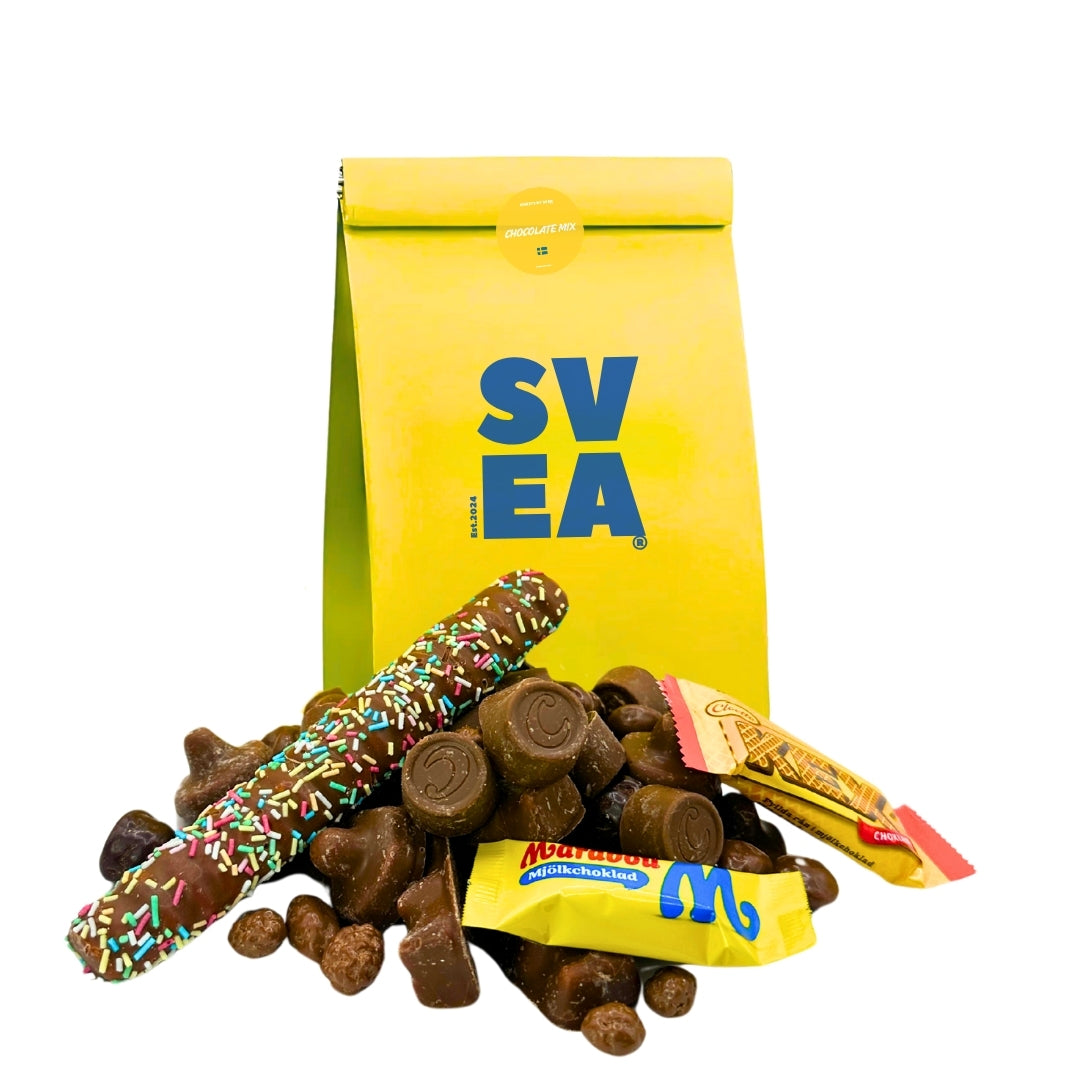
Cold-pack shipping and heat-resistant product selection during transit cut down on the temperature swings that cause bloom before a package even reaches your door. For specific products: the Chocolate Swedish Mix in the small 50g size is small enough to finish within a week or two of arrival, no freezer required. The 500g medium mix is the one worth portioning and freezing if you’re stocking up for months of fika. Milk chocolate generally holds up fine in a pantry for weeks, as its lower cocoa-butter content makes it less prone to visible bloom than dark couverture chocolate.
When Does Freezing Actually Make Sense?
Freezing chocolate is a decision about purpose, not panic. If you bake regularly or bought a large mix you won’t finish for months, freezing protects your investment better than letting it sit in a warm pantry drawer. If you bought a small bar to eat this week, or a gift meant to look its best, skip the freezer entirely.
Label and portion chocolate before it goes in, so you’re never thawing more than you’ll use and never refreezing the same piece twice, since repeated freeze-thaw cycles compound bloom and texture loss. For chocolate ordered online, check how it was shipped. If it arrived cold-packed and quickly, as with heat-resistant transit methods, you likely have more pantry runway than you’d think before freezing becomes necessary at all.
— Sweets
Get Fresh Swedish Chocolate Without Filling Your Freezer
The shipping model for this online candy shop is designed for fast worldwide delivery in 1 to 3 days, so chocolate typically arrives close to its best condition rather than sitting in transit long enough to require freezing.
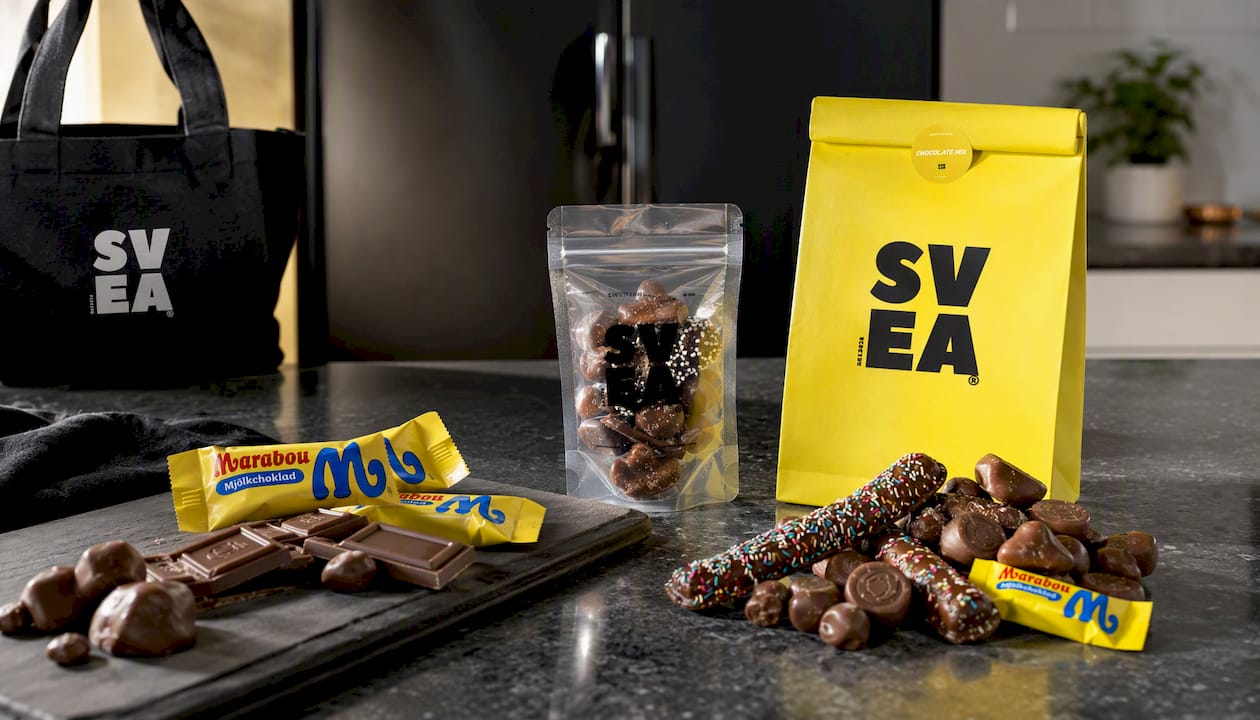
For an easy everyday pick, the Chocolate Swedish Mix in 50g is sized for quick enjoyment with no storage planning involved. If you’re stocking up for a family fika or a longer stretch without reordering, the 500g Chocolate Swedish Mix gives you enough to portion and freeze intentionally, on your own terms. And if classic milk chocolate is what you’re after, Marabou Milk Chocolate holds up well in the pantry for weeks after arrival. Browse the full Swedish candy selection and place an order to see how little freezer planning you actually need when delivery is fast.
Primary Sources Used
The Canadian Food Inspection Agency covers safety and bloom; Real Simple covers the thaw timeline; KitchPrep covers premium chocolate handling.
Sources
- Chocolate bloom (Canadian Food Inspection Agency)
- How to store chocolate (Real Simple)
- Can chocolate be frozen? | KitchPrep
FAQ
What happens when you put chocolate in the freezer?
The cold stops any bacterial or mold growth entirely, since chocolate is already low moisture, but the sudden temperature change can push cocoa butter or sugar to the surface once thawed, causing bloom.
Is two year old chocolate safe to eat?
If it’s been stored frozen at a steady 0°F the entire time, it’s still safe to eat, though it will likely show noticeable bloom and a duller flavor well outside its optimal quality window.
Is chocolate better in the fridge or freezer?
For short-term storage of a few weeks, a cool pantry beats both. For anything longer than a few months, the freezer preserves it better than a fridge, which can introduce moisture and odors from other foods.
Which type of chocolate is best for freezing?
Dark chocolate and chocolate chips handle freezing best thanks to lower dairy content and higher cocoa solids, while filled truffles and white chocolate are the most fragile.
Does freezing chocolate ruin it?
Freezing doesn’t ruin chocolate or make it unsafe. It can dull the shine and snap, but the chocolate remains fully usable for baking, melting, or eating as-is.