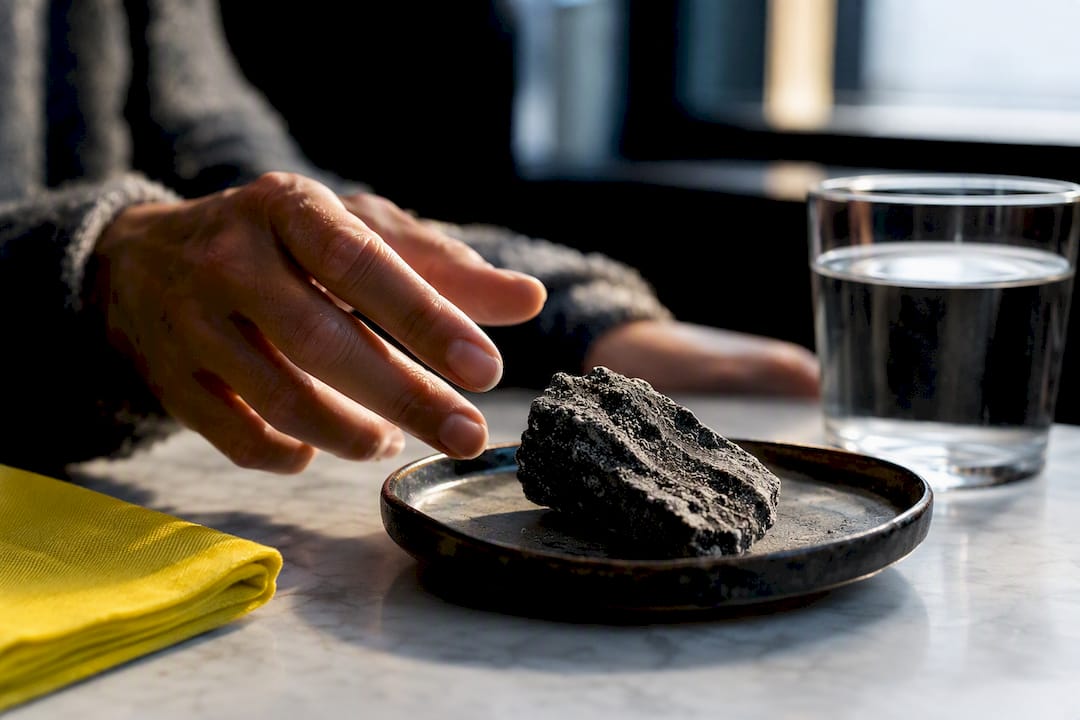

Chocolate bloom is a harmless whitish or grayish coating on the surface of chocolate, caused by either fat crystallizing out of the cocoa butter or sugar recrystallizing from moisture. It changes how chocolate looks and feels, sometimes making it waxy or gritty, but bloomed chocolate is still safe to eat unless you spot actual spoilage signs like mold or a sour smell.
TL;DR:
- Fat bloom appears as greasy, streaky patches that soften under warm fingertips, while sugar bloom looks dusty, rough, and remains dry when touched.
- Water beading on the surface indicates fat bloom, whereas spreading or dissolving suggests sugar bloom; gentle warming can help distinguish by appearance.
- Proper storage at temperatures between 55°F and 68°F with stable humidity prevents both fat and sugar bloom, especially in hot, humid, or fluctuating conditions.
- Re-tempering can fix fat bloom, but sugar bloom generally cannot be reversed with heat; bloomed chocolate is still safe to eat but may have altered texture and flavor.
- Rapid shipping within a few days and insulating packaging reduce bloom risk, especially for chocolates with fillings or delicate coatings susceptible to temperature swings.
Table of Contents
- Fat Bloom vs. Sugar Bloom: What Each Looks and Feels Like
- Why Bloom Happens: Tempering, Cocoa Butter Crystals, and Moisture
- How to Identify Bloom at Home: Step-by-Step Tests
- Is Bloomed Chocolate Safe to Eat, and How Does It Taste?
- How to Prevent Bloom: Storage, Packing, and Transit Tips
- How to Fix and Reuse Bloomed Chocolate
- How Sweetsbysvea Reduces Bloom Risk
- A Practical Take on Chocolate Bloom
- Chocolate Picks Built to Survive the Trip
- Sources
Fat Bloom vs. Sugar Bloom: What Each Looks and Feels Like
The two blooms look similar from across the kitchen but feel completely different under your thumb. That distinction is really the whole diagnosis.
- Fat bloom shows up as smooth, streaky patches in gray or dull white, usually with a waxy or greasy feel. Press it with a warm fingertip and it softens or smears almost instantly.
- Sugar bloom looks dustier and rougher, closer to a fine crystal coating than a streak. It feels dry and grainy, and fingertip heat does nothing to it because there’s no fat to melt.
- Water droplet test: place a drop of water on the surface. It beads up on fat bloom (fat repels water) but spreads and dissolves slightly into sugar bloom (sugar is hygroscopic).
- Gentle warming test: hold the chocolate near a warm mug or under a lamp for a few seconds. Fat bloom will start to look glossy again as it softens; sugar bloom stays matte and gritty.
Why Bloom Happens: Tempering, Cocoa Butter Crystals, and Moisture
Well-tempered chocolate is built on a specific cocoa butter crystal structure known as Form V. That crystal form is what gives good chocolate its glossy shine and clean snap when you break a bar in half.
Fat bloom happens when Form V crystals shift into the more stable but visually duller Form VI, a polymorphic transformation that scatters light across the surface instead of reflecting it cleanly. Temperature swings speed this up. A bar left in a warm car and then a cool cupboard, over and over, pushes the cocoa butter through repeated melt and reset cycles until it settles into the wrong crystal form. Fillings matter too. Oils migrating from nuts, caramel, or nougat centers can destabilize the surrounding chocolate shell even without any heat exposure at all.

Sugar bloom has a different trigger entirely: moisture. When condensation forms on a chocolate’s surface, whether from a humid room or from moving chocolate straight from the fridge into warm air, it dissolves a thin layer of sugar. As that moisture evaporates, the sugar recrystallizes on top, leaving behind that dusty, rough finish.
How to Identify Bloom at Home: Step-by-Step Tests
Run through this short sequence before deciding whether to eat, retemper, or toss a bloomed bar:
- Look closely. Streaky and uneven usually means fat bloom; a fine, dusty film usually means sugar bloom.
- Touch it. Waxy and smearing under warm fingers points to fat bloom. Dry and grainy points to sugar bloom.
- Try the water droplet test. Beading confirms fat bloom; spreading or dissolving confirms sugar bloom.
- Warm it gently. If the discoloration fades as the chocolate softens, you’re dealing with fat bloom.
Sometimes you’ll see both types on the same bar, especially after a rough shipping journey that combined heat exposure with humidity. That’s still just cosmetic. Mold, a sour or rancid smell, or a slimy texture are different problems entirely, and those mean the chocolate should be thrown out regardless of bloom.
Pro Tip: If chocolate has been in the fridge, don’t unwrap it the moment it comes out. Let it acclimate to room temperature while still sealed in its original packaging. That slow transition prevents the condensation that causes sugar bloom in the first place.
Is Bloomed Chocolate Safe to Eat, and How Does It Taste?
Bloom is a cosmetic and textural defect, not a food-safety problem, as long as there are no separate spoilage indicators like off-odors or mold. You can eat it straight, though the experience will differ from a fresh bar.
Fat bloom tends to mute the flavor and leave a slightly waxy, less snappy mouthfeel, since the cocoa butter is no longer in its ideal crystal form. Sugar bloom adds a gritty texture that some people find more off-putting than the taste change itself. If the graininess or waxiness bothers you for eating out of hand, melting the chocolate down for baking, ganache, or hot cocoa erases the issue completely, since heat resets the structure anyway.
How to Prevent Bloom: Storage, Packing, and Transit Tips
Storage conditions do more to prevent bloom than anything else you can control at home. Chocolate prefers a cool, dry, and stable environment, ideally around 55°F to 68°F with low humidity and no dramatic swings.
- Keep chocolate away from direct sunlight, stovetops, and radiators, all of which trigger the heat cycling behind fat bloom.
- If you must refrigerate chocolate in a hot climate, seal it airtight first and thaw it gradually in the refrigerator before bringing it to room temperature, still wrapped.
- For shipping or gifting in warm weather, use insulated packaging with a barrier against ambient air.
- Silica gel packets inside the shipping box absorb excess humidity on routes through hot, moisture-heavy climates.
Reviewing general candy storage practices at home also helps, since chocolate rarely blooms in isolation. It’s usually stored next to something releasing moisture or heat nearby.
How to Fix and Reuse Bloomed Chocolate
Fat bloom is fixable. Sugar bloom generally isn’t, at least not by retempering.
- Chop the chocolate into small, even pieces to melt evenly.
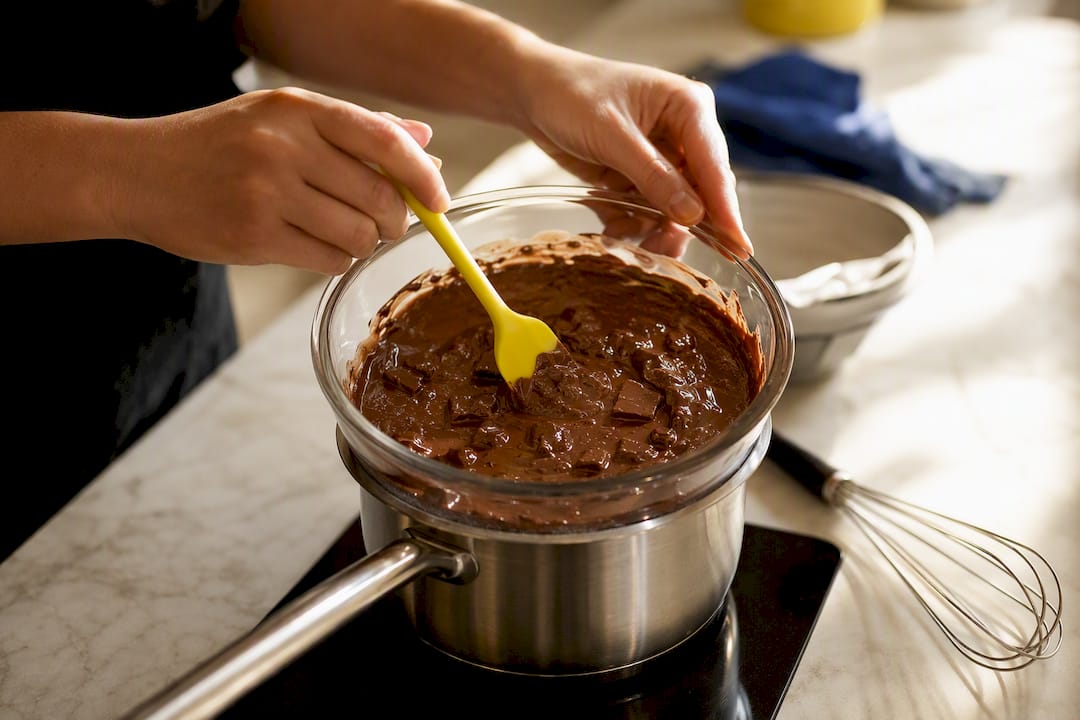
- Melt it gently in a double boiler or short microwave bursts, stirring often, until fully liquid.
- Retemper it by cooling and reheating through the standard seeding or tabling method to rebuild Form V crystals.
- Pour and set in a cool spot; gloss and snap should return once it hardens.
Sugar bloom resists this because the surface sugar crystals don’t dissolve back into the chocolate during melting the same way fat redistributes. Instead, repurpose bloomed chocolate of either kind into brownies, cookies, ganache, or hot chocolate, where texture and appearance no longer matter. Just melt slowly and avoid scorching, since bloomed chocolate can already be a bit more fragile structurally.
How Sweetsbysvea Reduces Bloom Risk
Bloom risk starts long before a bar reaches your doorstep, which is why packaging and shipping speed matter as much as home storage.
- Sweetsbysvea ships within 1 to 3 days to limit the time chocolate spends exposed to temperature swings in transit.
- Products are selected to maintain consistent ingredient quality.
- For hot climates or long routes, heat-resistant picks and cold-pack methods help maintain proper temper until arrival.
A Practical Take on Chocolate Bloom
Bloom rarely ruins chocolate outright, but it ruins the moment. A gift box that arrives streaky and dull doesn’t taste any different from a glossy one, yet the first impression takes a hit anyway, and that matters more than most guides admit. Storage discipline earns its keep most in hot climates or when chocolate travels long distances before reaching a fridge or pantry. If you’re shipping something special, check the product page for handling notes, and reach out to customer support directly for anything time-sensitive or bound for a warmer region.
— Sweets
Chocolate Picks Built to Survive the Trip
This service offers a practical alternative to random online candy shops for chocolate that arrives in good condition. Fast, temperature-controlled shipping means less time in transit heat, which is a key factor behind fat bloom on filled or milk chocolate.
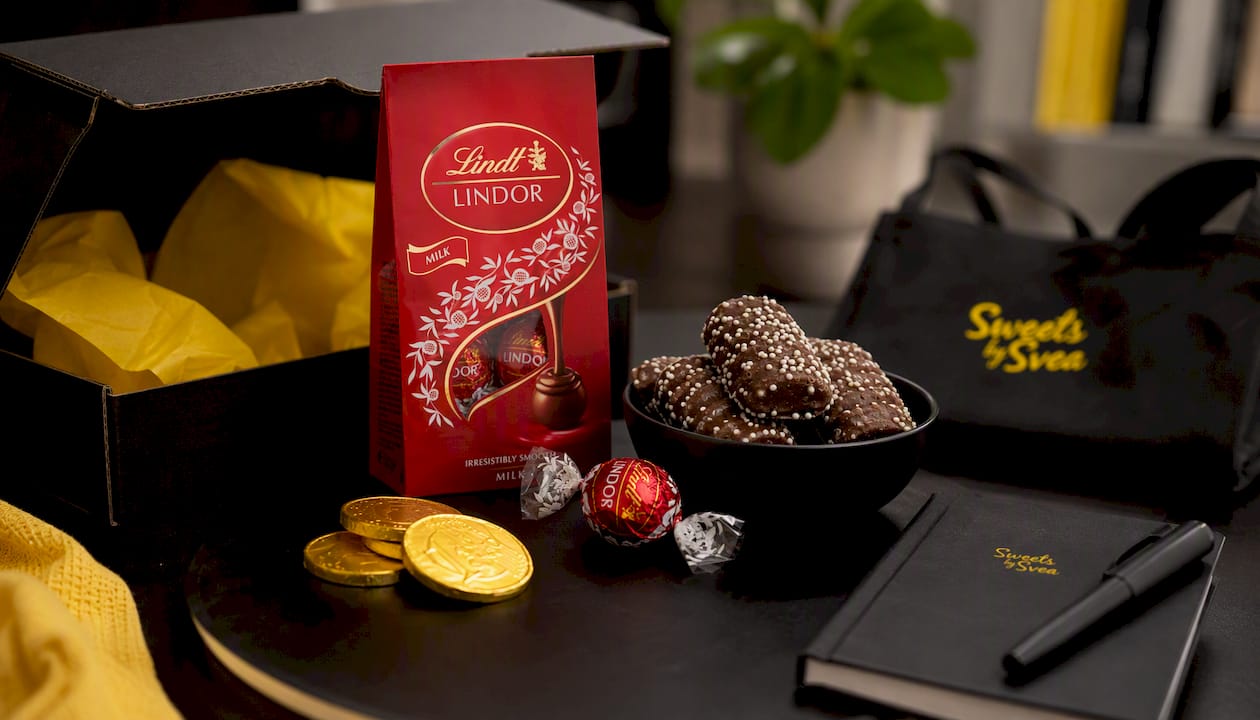
Chocolate Coins are a sturdy, foil-wrapped option that handles handling and travel well without the delicate shell issues of thinner bars. Lindt Lindorkulor brings reliably tempered, smooth praline chocolate straight from a trusted maker, so you’re starting from a stable base. Chokladlimpor offers a classic Swedish format that’s easy to gift or share once it arrives.
Orders ship promptly with packaging chosen to limit the heat and moisture swings that cause bloom. Browse the full chocolate selection and place an order before your next gift deadline or craving hits.
Sources
- Article on chocolate crystallization — PMC
- How to store chocolate — Serious Eats
- What is chocolate bloom? — Bon Appétit
- Chocolate bloom — Wikipedia