
Djungelvrål is a Swedish salty licorice candy coated in salmiak, ammonium chloride, which gives it a sharp, almost stinging saltiness before the chewy licorice underneath takes over. It’s made by Cloetta under its Malaco brand, and it’s one of the country’s most recognized “salty licorice” treats. Most first-timers outside Scandinavia describe it as an acquired taste, and they’re not wrong.
TL;DR:
- The initial sharp saltiness from ammonium chloride in Djungelvrål can cause a numbing sensation that surprises first-timers, especially outside Scandinavia.
- The flavor arc starts with an intense salmiak sting, followed by a mellow licorice sweetness, which requires patience to fully appreciate.
- Chewing slow and pairing with milk or neutral snacks can help reduce the overwhelming sharpness for new tasters.
- Freshness of the candy significantly influences the flavor quality, as stale pieces taste harsher and less balanced.
- The popularity of salty licorice in Scandinavia is deeply rooted in cultural tradition, social sharing, and online reaction culture.
Table of Contents
- What Does Djungelvrål Mean and Look Like?
- What Does Djungelvrål Taste Like?
- Ingredients, Nutrition, and Allergen Notes
- Where Djungelvrål Came From
- Why Salty Licorice Matters in Swedish Culture
- How to Try Djungelvrål for the First Time
- The Real Story Behind Djungelvrål’s Reputation
- Where to Buy Authentic Djungelvrål
- Sources
What Does Djungelvrål Mean and Look Like?
The name roughly translates to “jungle roar,” a nod to the involuntary face people make on that first bite. It comes as soft, chewy pieces, usually car- or animal-shaped, packaged in bags that typically run around 100 to 150 grams depending on the market.
Here’s what you’re actually getting:
- Core ingredients: glucose syrup, sugar, licorice extract, and a salmiak (ammonium chloride) coating
- Energy: about 345 kcal per 100 grams, according to Cloetta’s own product page
- Dietary notes: typically vegetarian, though check the label if you’re avoiding gluten or animal-derived gelatin
- Pronunciation: roughly “SOON-gel-vrawl,” with the “j” sounding like an English “y”
Quick fact: At 345 kcal per 100 grams, Djungelvrål sits in the same range as most chewy licorice candy, so the calorie count isn’t the surprise. The salt hit is.
What Does Djungelvrål Taste Like?
The first few seconds are the whole story. Ammonium chloride hits your tongue with an astringent, almost metallic saltiness that’s sharper than table salt and comes on fast. Then the chewy licorice base kicks in, mellowing things out with an earthy sweetness that lingers longer than the initial shock.
Retailers who sell the candy describe that same sequence: an intense salmiak dusting followed by a softer licorice finish. It’s a flavor arc, not a single note, which is part of why reactions swing so wildly between people who grew up eating it and people trying it for the first time.
That gap comes down to exposure. Scandinavians, along with people in the Netherlands, Finland, and parts of Germany, grow up with salmiak-based candy as a normal part of the candy aisle. Palates outside that region simply haven’t built up tolerance for it, so the reaction tends to be bigger.
What to actually expect on first bite:
- A sharp, salty sting that hits within seconds
- A brief astringent or slightly numbing sensation on the tongue
- A shift into soft, chewy licorice sweetness as the salmiak fades
- An aftertaste that’s more mellow than the opening suggests
Pro Tip: Breathe through your nose, not your mouth, for the first few chews. Mouth-breathing right after the salmiak hits amplifies the sting. Our guide to Swedish salty licorice covers more candies that follow this same flavor pattern.
Ingredients, Nutrition, and Allergen Notes
Cloetta’s own product listing is the most reliable source for exactly what’s in the bag, and it puts ammonium chloride front and center as the ingredient responsible for that signature bite. The full base includes glucose syrup, sugar, licorice extract, wheat flour or starch, and either gelatin or a plant-based gelling agent depending on formulation, and the salmiak coating itself.
| Nutrition Element | Approximate Value (per 100g) |
|---|---|
| Energy | 345 kcal |
| Fat | Low, typically under 1g |
| Sugar | Moderate, standard for chewy licorice |
| Salt/Sodium | Elevated due to ammonium chloride coating |
Statistic to know: 345 kcal per 100 grams means a single small piece rarely breaks double-digit calories, so portion size isn’t the concern here. It’s the salmiak.
If you’re managing a gluten sensitivity, celiac disease, or another medical dietary restriction, consider guidance from the Sweetener Transition for Kids: A Step-by-Step Guide to help with introducing intense flavors safely. Check the actual package or Cloetta’s listing directly, since formulations can shift between production runs. For a broader look at what’s typically in Swedish candy, our ingredients and allergen guide breaks down common additives across the category, and our salmiak explainer goes deeper into the chemistry behind that salty bite.
Where Djungelvrål Came From
Cloetta owns the Malaco brand, and Malaco is the name most Swedes associate with Djungelvrål on store shelves. Malaco built its reputation on licorice and salty candy through the mid to late 1900s, and Djungelvrål became one of its standout salmiak products as salty licorice grew into a defined confectionery category across Northern Europe.
The jungle theme in the name and packaging plays into the “roar” reaction the candy is known for triggering. It’s a bit of self-aware marketing: the brand leans into the shock value instead of hiding it, which has helped the candy build a cult following among people who specifically seek out intense salty licorice rather than avoid it.

Why Salty Licorice Matters in Swedish Culture
Salty licorice isn’t a novelty item in Sweden. It’s shelved next to standard sweets in every grocery store, and salmiak candies like Djungelvrål are treated as a mainstream flavor category rather than a fringe product.
A few things explain the staying power:
- Salmiak has been part of Scandinavian and Northern European candy since salty licorice became its own confectionery tradition, so it’s baked into childhood memory for most locals.
- It’s common at social gatherings, often passed around as a shared “try this” moment rather than eaten quietly alone.
- Coffee is a frequent pairing, since the bitterness cuts through the salmiak’s sharpness.
- Online, Djungelvrål shows up constantly in taste-test and reaction videos, which has turned it into something of an unofficial dare for visitors and international candy lovers.
That online reaction culture has done more for the candy’s global reputation than any ad campaign. People film themselves trying it precisely because the reaction is so visible and immediate.
How to Try Djungelvrål for the First Time
- Start with one small piece, not a handful. The salmiak intensity front-loads fast.
- Keep milk nearby. Cold milk is the most common pairing for tempering that initial salty sting.
- Pair it with something neutral, like plain crackers or a mild cookie, if you want to space out the intensity between bites.
- Store it sealed and cool. Salty licorice can dry out or lose texture if left open too long.
- Try mixing it into a pick-and-mix bag with milder Swedish candies so you’re not eating salmiak back to back.
Pro Tip: At Sweets by Svea, we tell first-timers to treat Djungelvrål like a shot of espresso, not a snack. One or two pieces, a pause, then decide if you want more.
The Real Story Behind Djungelvrål’s Reputation
Most articles treat Djungelvrål as either a joke candy or a badge of honor for tourists to survive. Both framings miss the point. This is a candy Swedes actually enjoy regularly, not an endurance test dressed up as a treat, and the “challenge” angle that dominates social media undersells how deliberately built the flavor sequence is.

The conventional advice, “just power through it,” is backwards. The people who end up liking salty licorice are usually the ones who slow down and let the licorice base do its job after the initial salmiak hit, rather than gritting through the first few seconds and writing it off. Judge the candy by the full ten seconds, not the first two.
If there’s one thing worth prioritizing, it’s sourcing. Salmiak content and coating thickness vary between manufacturers, and a stale or poorly stored piece will taste harsher than it should. Freshness changes the experience more than most guides admit.
— Sweets
Where to Buy Authentic Djungelvrål
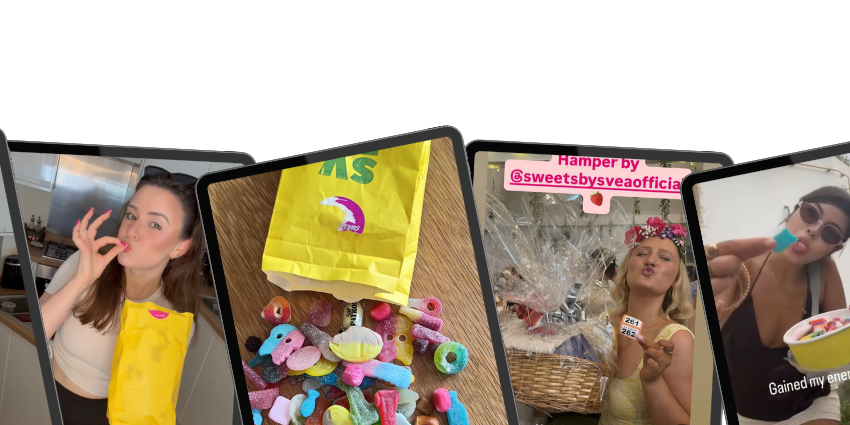
Sweets by Svea ships Swedish candy worldwide with delivery in a few days, so you’re getting fresh Djungelvrål rather than a bag that’s been sitting in a warehouse for months. Every product is sourced without GMOs, parabens, and high fructose corn syrup.
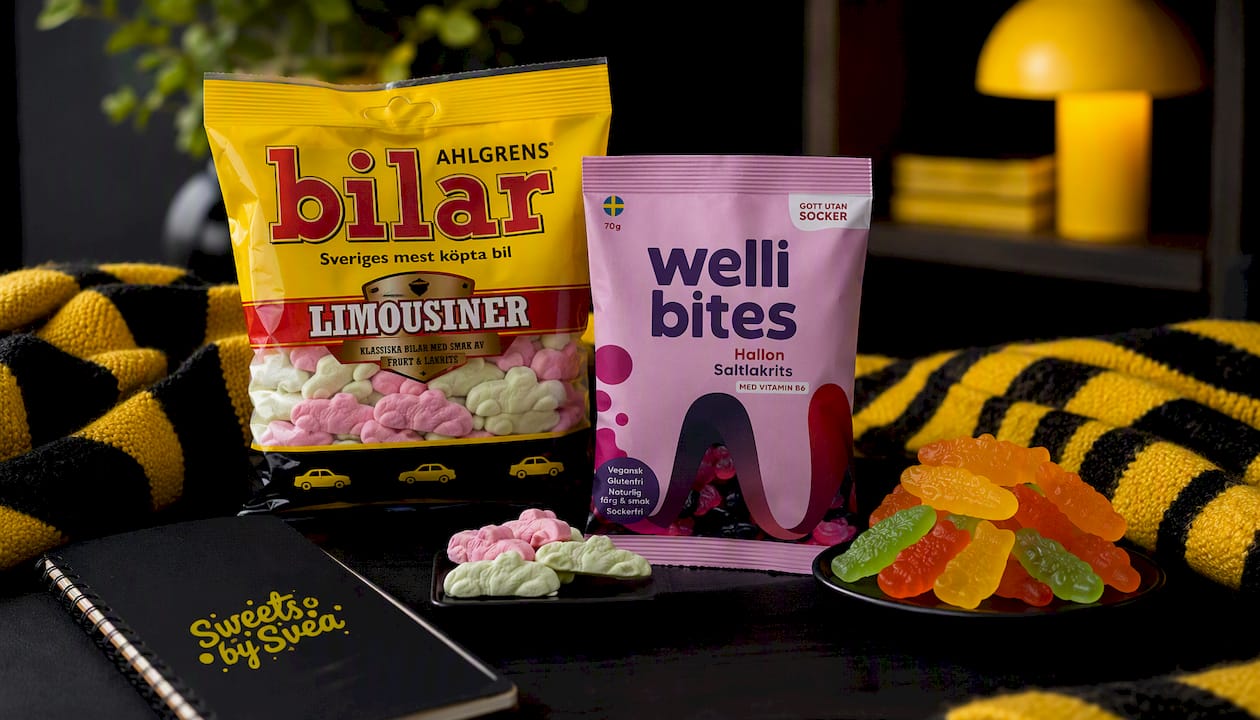
You’ll find Malaco Djungelvrål itself on the shelf, along with easier entry points if you want to work up to it. The Wellibites Hallon/Saltlakrits sugar-free vegan gummies offer a gentler salty licorice hit for vegan shoppers, Swedish Fish gives new tasters something familiar and mild to fall back on, and Ahlgrens Bilar Limousines round out a pick-and-mix bag with something sweet and chewy that isn’t salty at all. Orders ship internationally with returns if anything arrives damaged. Build your own mix and see how the full range of Swedish candy compares side by side.