
Microwave hard licorice in short bursts, or drop it (sealed) into hot water briefly, and you’ll have chewy candy again quickly. For a whole bag or badly dried-out pieces, seal them in an airtight container with a slice of bread or apple and give it several hours to soften. Store it properly afterward so you’re not doing this again next month.
TL;DR:
- Using microwave or hot-water-bag methods can soften small amounts of licorice quickly but carry a risk of melting if not carefully timed.
- Slow rehydration with bread or apple slices in an airtight container is effective for softening larger quantities over several hours but requires patience.
- Proper storage in airtight containers and portioning into small containers help prevent licorice from drying out and hardening again.
- Different types of licorice, such as salty or soft varieties, respond differently to heat and moisture, requiring tailored softening approaches.
- The best way to avoid future hardening is to purchase fresh licorice and store it properly from the start, reducing the need for rescue techniques.
Table of Contents
- How to Soften Hard Licorice: Picking the Right Method
- Microwave and Hot-Water-Bag Methods for Fast Results
- Slow Rehydration for Whole Bags of Licorice
- Steam and Humidity: A Middle Ground Worth Knowing
- Storing Licorice So You Don’t Have to Rescue It Again
- Fixing Mistakes and Knowing When to Toss It
- Why Different Licorice Types Respond Differently
- What Actually Works, In Practice
- Chewy Licorice That Skips the Rescue Step Entirely
- Sources
How to Soften Hard Licorice: Picking the Right Method
The method you choose depends on how much candy you’re rescuing and how much risk you’re willing to take. Heat works fast but punishes hesitation. Moisture works slowly and forgives almost everything.
Hard licorice gets that way through starch retrogradation, the process where starch molecules in the candy recrystallize as moisture escapes. Reversing it means either putting moisture back in or applying just enough heat to loosen those crystal structures. Both work. They just work on different timelines.
Here’s how to think about your options before you touch the microwave:
- A handful of pieces you want to eat now: microwave or hot-water-bag, both under a minute.
- A whole bag, or candy that’s been sitting for months: bread or apple moisture-transfer, several hours minimum.
- Anything cracked, discolored, or smelling off: skip softening entirely and check it for spoilage first.
If a piece starts to feel warm and tacky rather than warm and pliable, stop. That’s the line between “soft licorice” and “licorice puddle.”
Microwave and Hot-Water-Bag Methods for Fast Results
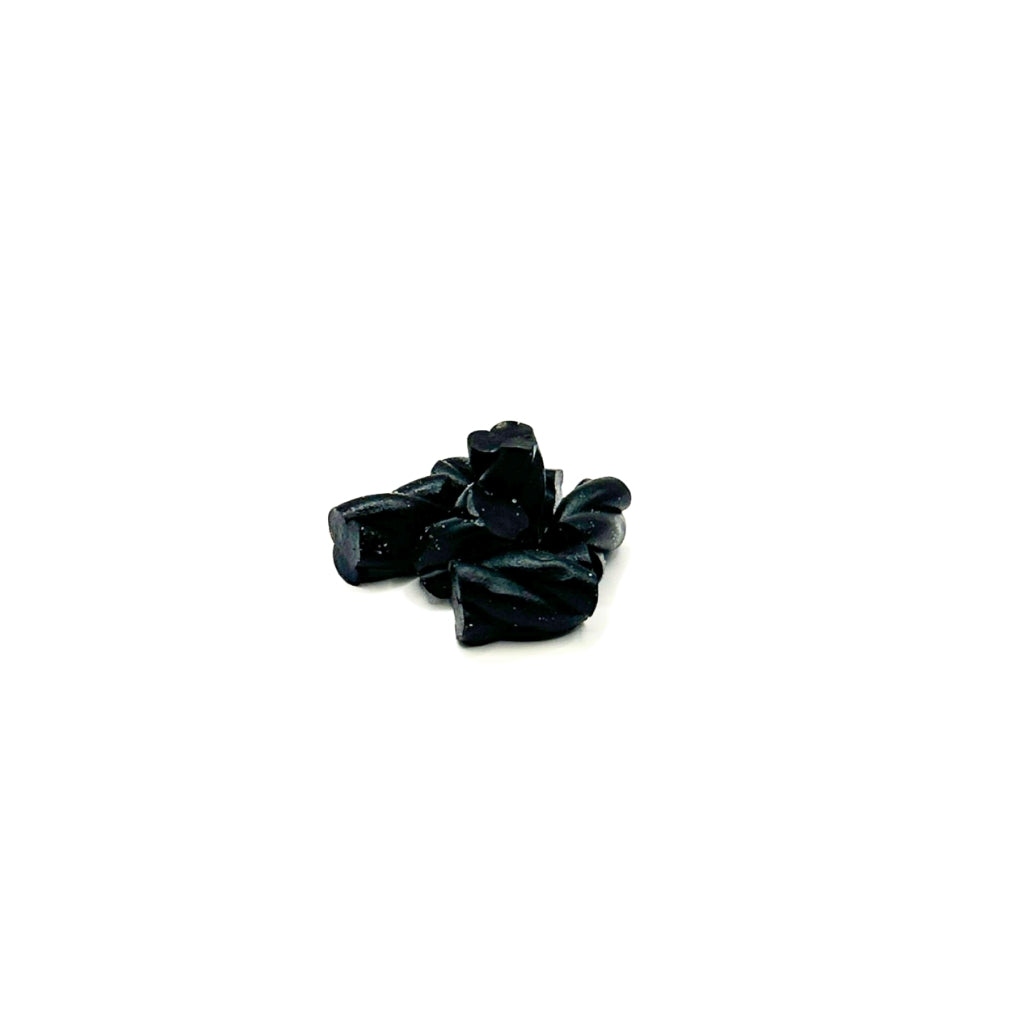
These two methods share a principle: short, controlled heat exposure that loosens the candy’s internal structure without melting the sugar on the surface. Speed is the appeal, and speed is also the danger.
Microwave method:
- Set 1 to 3 pieces on a plate lined with a slightly damp paper towel. The dampness adds a touch of humidity that helps the texture come back more evenly.
- Microwave for 5 seconds on a low or medium setting.
- Let it rest for 10 to 15 seconds. Licorice keeps softening after the microwave stops, so this pause matters more than people expect.
- Touch a piece. Still firm? Add another 1 second burst, then rest again. Repeat only if needed.
Short microwave bursts soften licorice quickly but the risk of melting rises fast once you go past a few seconds at a time, which is why the rest period between bursts isn’t optional.
Statistic Callout: Manufacturer guidance from Red Vines’ own FAQ recommends microwaving for roughly 5 to 7 seconds to restore chewiness, a range that lines up closely with what independent testing has found works without melting the candy.
Hot-water-in-bag method:
- Drop the licorice into a heavy-duty zip-top bag and seal it completely. No air pockets, no gaps.
- Submerge the sealed bag in water that’s just off the boil, not actively boiling.
- Hold it under for about 15 seconds. Very hard, older pieces can go up to 30 seconds.
- Pull the bag out, dry the outside, and let the candy sit a minute before opening.
Keeping the bag sealed during the hot-water method is the whole trick. Direct water contact dissolves the sugar on the surface, and you end up with sticky, misshapen candy instead of soft candy. Skip both methods on licorice that’s cracked through, has white or green spots, or smells sour. Heat won’t fix contamination, and it can mask a smell you should be paying attention to.
Slow Rehydration for Whole Bags of Licorice
Bread and apple slices don’t add flavor to licorice worth worrying about, but they do release just enough ambient moisture to soften a full bag evenly, which no five-second microwave burst can manage across a dozen pieces at once.
Here’s the setup:
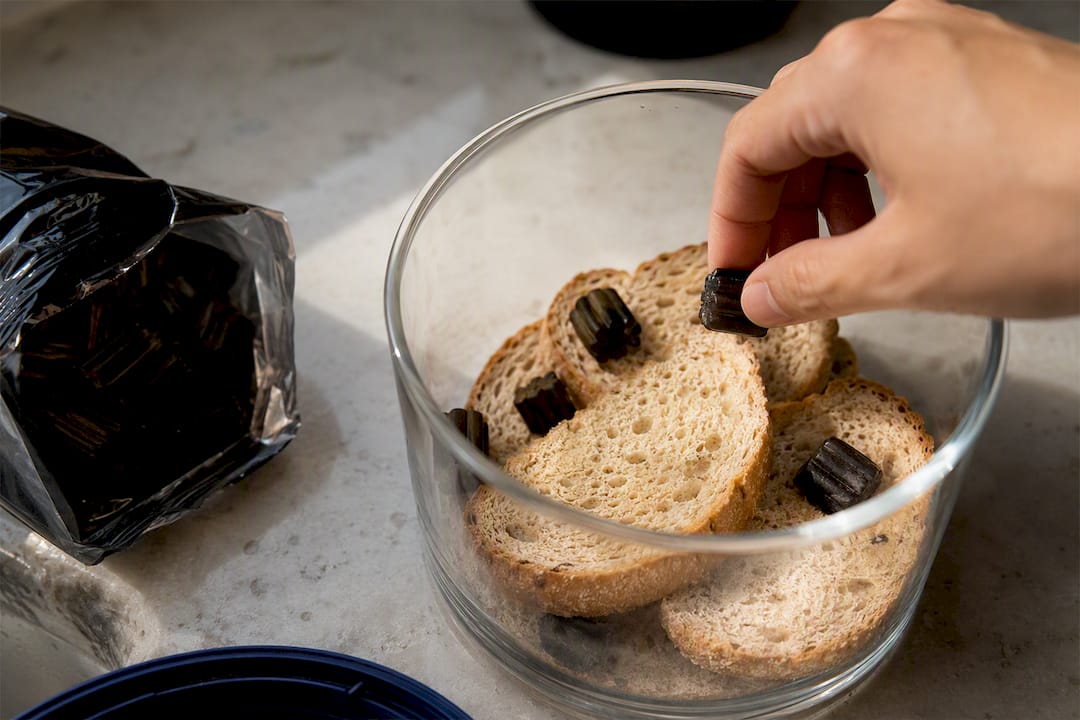
- Line the bottom of an airtight container with a slice of fresh bread or a few thin apple slices.
- Add a layer of licorice on top, without letting the pieces touch the bread or fruit directly. Direct contact leads to soggy spots.
- Seal the container and check it after 8 to 24 hours, depending on how dry the candy started out.
- If the bread or apple dries out or starts looking rough before the candy softens, swap in a fresh piece and reseal.
A damp paper towel works as a substitute for bread or apple if that’s what you have on hand. Dampen it, wring it out until it’s just moist rather than wet, and set it in the container the same way. Check every few hours rather than overnight, since a towel releases moisture faster than a bread slice does and can tip into mold territory if left too long in a sealed, humid container.
Pro Tip: Start checking a bag of mixed licorice earlier than you think you need to. Thinner ropes and twists soften faster than thick chunks, so pull the soft pieces out as they’re ready instead of waiting for the whole batch.
Once the candy reaches the texture you want, transfer it to a clean airtight container right away. Leaving it in with the bread or fruit past the point of softness just invites sogginess.
Steam and Humidity: A Middle Ground Worth Knowing
Steam sits between the fast-and-risky microwave and the slow-and-safe bread method. Short intervals of steam exposure soften licorice evenly across a whole batch, similar to bread but in minutes instead of hours.
The setup: place licorice in a covered basket or colander positioned above (not in) simmering water, so steam reaches the candy without any direct water contact. Check every minute or two rather than walking away. Condensation builds fast in a covered setup, and a piece left too long turns slick and waterlogged instead of chewy.
A humidifier plate method works on the same idea at a gentler pace. Set the candy a few feet from a running humidifier and check every 30 to 60 minutes. It’s slower than direct steam but carries almost no risk of over-softening.
- Fastest: microwave, highest risk of melting.
- Middle ground: steam, faster than bread but needs closer attention than either extreme.
- Safest for hands-off softening: bread or apple, slowest but hardest to mess up.
Storing Licorice So You Don’t Have to Rescue It Again
An airtight container is doing more work than most people realize. Every time a bag gets opened and left with the top rolled over, moisture escapes and the retrogradation process that hardens licorice speeds up.
A few habits actually make a difference:
- Squeeze the air out of resealable bags before sealing, or transfer candy to a container with a tight, snapping lid.
- Portion opened bags into smaller airtight containers rather than leaving one large bag half open in a drawer.
- Keep licorice at room temperature. The fridge feels like it should help, but cold, dry air pulls moisture out of candy faster than a room-temperature shelf does.
- In a dry climate, double bag the candy or drop a small piece of bread into the container as a humidity buffer, replacing it every few days.
None of this requires special equipment. It requires remembering to close the bag properly, which is the step almost everyone skips on a Tuesday night.
Fixing Mistakes and Knowing When to Toss It
Softening candy occasionally goes wrong, and knowing the difference between “fixable” and “should go in the trash” matters more than any technique above.
- Throw it out if you see mold (fuzzy spots, unusual color patches), smell anything sour or off, or the candy has a texture that seems wrong beyond just hardness.
- If it turned sticky or gummy from too much heat or moisture, spread the pieces on a wire rack at room temperature for an hour to air-dry, then try a brief chill in the fridge, just 10 to 15 minutes, to firm the surface back up.
- If air-drying and a short chill don’t fix it, the sugar structure has likely broken down too far, and no further heat or moisture rescue will bring it back to its original texture.
Over-softened or repeatedly rehydrated licorice loses some quality and shortens the window you have to eat it, so treat a successful rescue as a “eat it soon” situation rather than a permanent fix. Avoid direct water contact and long microwave stretches. Both push candy from “soft” to “ruined” faster than most people expect.
Why Different Licorice Types Respond Differently
Not all licorice softens the same way, and that’s worth knowing before you microwave a bag of salty Swedish candy the same way you’d treat a soft rope. Salmiak and other salty licorice varieties, like the kind found in Lakrisal Salmiak, tend to have a firmer, denser starting texture than sweet licorice ropes, which means they often need slightly longer hot-water exposure to soften through rather than just on the surface.
Softer chewy formats, like Cloetta Polly, respond faster to gentle heat because they start with more air and moisture in the structure to begin with. Mixed bags that combine licorice with other candy types, such as Cloetta Bridge, need extra care during softening since chocolate pieces melt at far lower temperatures than licorice needs to soften.
Freshness starts at the source. Every batch we ship gets packed and sent within 1 to 3 days, because licorice that sits in a warehouse for weeks is already fighting the clock before it reaches your door.
Understanding these differences comes from handling hundreds of licorice varieties across Swedish brands, from salty salmiak to soft foam licorice, and watching how each one behaves under heat and moisture. For a broader breakdown of how these formulations differ, Sweetsbysvea’s flavor guide covers the range in more detail.
What Actually Works, In Practice
If I’m rescuing licorice for myself, I reach for the microwave first when it’s a handful of pieces I want to eat in the next ten minutes, and I switch to bread the moment it’s a whole bag. There’s no method that beats bread and time for volume. It’s boring, it takes patience, and it works on almost every type of licorice without exception.
The habit that actually prevents most of this: portion candy into smaller airtight containers the day you open it, instead of leaving one bag half sealed in a cabinet. Ten seconds of effort saves you an eight-hour rehydration project later.
If you’re not sure how a specific type of licorice, particularly a salty or unusual regional variety, will respond to a given method, reach out and ask. Different formulations really do behave differently under heat, and a quick question beats a ruined batch.
— Sweets
Chewy Licorice That Skips the Rescue Step Entirely
Rescuing hardened candy works, but the better fix is never needing to do it. Sweetsbysvea ships licorice that arrives soft, portioned, and ready to eat, with worldwide delivery landing in 1 to 3 days so nothing sits in transit long enough to dry out before it reaches you.

Three products worth stocking if hardening has been a recurring problem: Sweet Licorice Screws hold their chew well past the first few days out of the bag, Salmy delivers a salty, soft texture in a size built for finishing before staleness sets in, and Dumle Licorice-Flavored Toffee gives you a toffee-chew alternative for when straight licorice isn’t quite what you’re after. All are free from GMOs, parabens, and high fructose corn syrup.
Split a bag into smaller airtight portions the day it arrives, keep it at room temperature, and you’ll rarely need a microwave rescue again. Browse the full lineup and get your next order moving today.
Sources
The techniques above draw on manufacturer guidance and food-science explanations of how candy hardens and softens: