
Swedish candy costs more because it’s built on more expensive ingredients (real sugar, plant-based dyes, pricier gelling agents), made under stricter and costlier European production rules, then dragged through an import chain that stacks shipping, tariffs, and reseller markups before it hits a U.S. shelf. Add viral TikTok demand and specialty-store margins, and a bag that sells for a few dollars in Stockholm can cost five times as much abroad.
TL;DR:
- Higher ingredient and production standards, including real sugar, natural dyes, and alternative gelling agents, increase manufacturing costs compared to mass-market American candy.
- Stricter European regulations, rising commodity prices, and higher energy costs significantly inflate Swedish candy prices even before import costs.
- Import logistics, tariffs, reseller markups, and marketplace fees can multiply the retail price by five times or more once candy reaches U.S. shelves.
- Viral TikTok demand creates supply shortages and drives up retailer margins, sometimes reaching gross profits of 50 to 70 percent on imported Swedish candy.
- Buying directly from Swedish retailers, comparing per-kilo prices, and opting for larger quantities can help consumers access authentic candy at better value.
Table of Contents
- Ingredients and manufacturing: how recipe choices raise costs
- Production, regulation, and rising input costs
- Import, logistics, and distribution markups explained
- Viral demand and retailer pricing behavior
- Price examples: Sweden versus U.S. shelves
- How buyers can get better value without giving up authenticity
- How Sweetsbysvea prices Swedish candy honestly
- A quick note on pricing transparency
- Try authentic Swedish candy without the marketplace markup
- Sources
Ingredients and manufacturing: how recipe choices raise costs
Swedish candy makers tend to formulate with real cane sugar instead of high fructose corn syrup, and that swap alone changes the cost structure. HFCS is cheap and shelf-stable, which is exactly why it dominates mass-market American candy. Real sugar costs more to source, behaves differently in production, and needs tighter process control to hit consistent texture batch after batch.
The dye and flavor choices add another layer. Many Swedish gummies use plant-based colors and natural flavor extracts rather than synthetic dyes, a distinction Serious Eats has documented as part of what gives viral Swedish gummies their different chew and cleaner taste. Natural colorants cost more per unit than synthetic ones and are harder to standardize across large runs, which pushes manufacturing costs upward before the candy even leaves the factory.

Gelling agents matter too. Some Swedish and Swedish-style gummies use alternatives to standard gelatin, including starch-based systems, which changes both the mouthfeel and the manufacturing process. You can read more about how these formulations differ in our breakdown of Swedish candy ingredients.
None of this happens at industrial scale the way HFCS-based candy does. Many Swedish confectionery runs are smaller and more specialized, so the fixed costs of production get spread across fewer units. That’s simple manufacturing math: lower volume per SKU means higher cost per piece.
- Real sugar costs more to source and process than HFCS
- Plant-based dyes and natural extracts add per-batch expense
- Alternative gelling agents change both texture and production cost
- Smaller production runs mean higher per-unit overhead
Pro Tip: If a Swedish gummy tastes less sweet and has a slightly different chew than what you’re used to, that’s usually the sugar and gelling agent talking, not a flaw. It’s often the tell that you’re getting the real formulation rather than an American reformulation.
Production, regulation, and rising input costs
Manufacturers everywhere have been squeezed by commodity price swings over the past few years, and cocoa and sugar have been two of the worst offenders. Energy costs for running European factories climbed sharply too, and those increases flow directly into what a chocolate or gummy maker charges wholesalers.
European food regulation adds another layer of cost that’s easy to overlook; for a detailed explanation of what ‘higher-quality’ ingredients mean in practice, see Explaining Food Quality Standards for Smarter Dining. Compliance with EU food-safety and labeling standards, including tighter rules around additives and allergen disclosure, generally costs more to meet than the looser requirements that allow cheaper mass-market formulations elsewhere. Meeting a stricter standard isn’t free, and manufacturers pass that cost forward.
The numbers back it up: pick-and-mix candy prices in Sweden rose nearly 50% between 2020 and 2025, according to Statistics Sweden data reported by The Local, which also notes sweets have gotten dramatically more expensive since 1985.
That’s a domestic Swedish price increase, before a single piece of candy crosses a border. Layer import costs on top of that baseline and you start to see why the retail gap between Sweden and, say, the United States, keeps widening.
- Cocoa and sugar commodity spikes raise manufacturer costs directly
- Rising European energy prices increase production overhead
- Stricter EU food-safety compliance costs more than looser standards elsewhere
- Domestic Swedish candy prices already climbed almost 50% in five years
Import, logistics, and distribution markups explained
Getting a bag of Swedish candy from a factory floor in Sweden to a shelf in the U.S. involves a chain of costs that stack on top of each other, and each link adds its own margin.
Start with the FOB (free on board) cost, what the manufacturer charges to load the product for export. From there you add international shipping, import tariffs, customs clearance fees, warehousing while it sits in a distribution center, and finally last-mile shipping to the retailer or your door. Every one of those steps is a business that needs to make money, and every one of them adds a percentage on top of the last.
Marketplace resellers compound the problem. Sellers on platforms like Amazon commonly tack on 30 to 50% markups to cover platform fees, storage, and their own margin, on top of everything already baked into the landed cost.
Small-batch importing makes this worse, not better. Specialty importers often can’t hit the minimum order quantities that get better per-unit shipping rates, so they pay more per kilo just to bring product in at all, and that inefficiency shows up in the sticker price.
- FOB cost, freight, tariffs, customs, warehousing, and last-mile shipping each add a margin
- Third-party marketplace sellers often add 30 to 50% on top of landed cost
- Small minimum order quantities mean importers lose volume discounts
- Longer lead times tie up capital, which retailers price in
Viral demand and retailer pricing behavior
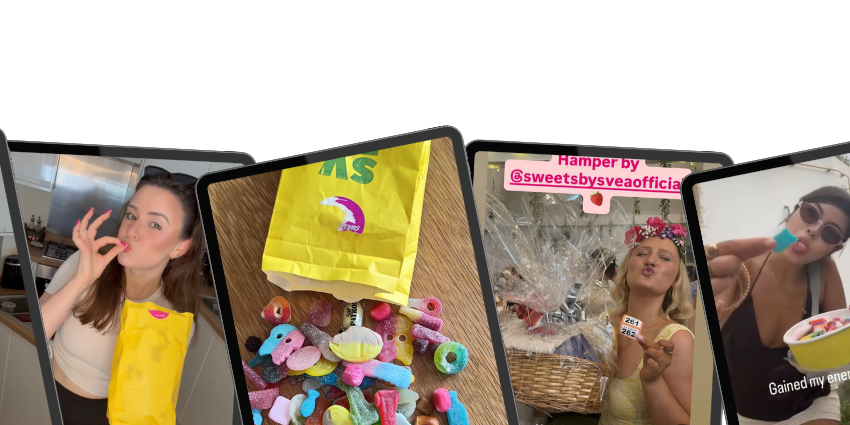
Social media changed the math on Swedish candy pricing almost overnight. TikTok videos showcasing Swedish gummies and chocolate turned niche imports into items people specifically search out, and Serious Eats has covered how that surge in visibility strained small specialty sellers who suddenly couldn’t keep pace with demand.
Scarcity does what it always does to price. When a product goes viral and supply can’t scale as fast as interest, buyers get used to paying more just to get their hands on it, and retailers notice that willingness immediately.
Specialty retailers lean into that dynamic with premium positioning. Market analysis from Candora Trading puts gross margins on imported Swedish candy in the 50 to 70% range in some cases, well above what a typical mainstream candy line commands, because retailers are selling authenticity and novelty alongside the product itself.
Shipping delays feed the same cycle. When a spike in orders outpaces a small retailer’s inventory, remaining stock gets treated as scarcer, and prices tend to firm up rather than drop.
- Viral exposure creates demand spikes that outpace small sellers’ supply
- Perceived scarcity increases what buyers are willing to pay
- Specialty retailer margins can run as high as 50 to 70%
- Stock shortages during demand surges push short-term prices higher
Price examples: Sweden versus U.S. shelves
Numbers make this concrete faster than any explanation. Pick-and-mix candy in Sweden typically runs within a certain price range per kilo at retail, depending on the store and the mix. Convert that to price-per-pound and you’re looking at a modest, everyday treat by Swedish standards.
Cross the Atlantic and the same styles of candy, imported and resold, can run the equivalent of several times the Swedish price, with some U.S. specialty listings reaching price points that would buy several kilos back in Stockholm.
Break it into a single bag and the gap gets easier to feel: a 500-gram bag that might cost the equivalent of a few dollars domestically in Sweden can land at three to five times that once shipping, tariffs, and a reseller’s margin are added on top.
- Sweden retail: roughly 85 to 170 SEK per kilo for pick-and-mix
- U.S. imported equivalents: often 2 to 5 times the Swedish per-kilo price
- Import and logistics costs account for most of the early markup
- Retailer and reseller margins account for the rest, especially on marketplace listings
How buyers can get better value without giving up authenticity
You don’t have to accept the highest markup just because the candy is imported. A few smart moves change the math meaningfully.
- Buy direct from specialty Swedish retailers instead of third-party marketplace sellers. Cutting out extra reseller layers is one of the clearest ways to avoid that 30 to 50% marketplace markup, a point SwedishCrave’s own retail guide makes explicitly.
- Compare price per kilo or per ounce, not the sticker price on the bag. A bigger bag at a higher price can still be the better deal once you do the math, and it’s the only way to compare fairly across brands and pack sizes. Our guide to buying Swedish pick and mix walks through the comparison in more detail.
- Buy in bulk when you can. Larger orders spread fixed shipping costs across more product, lowering your effective per-unit price.
- Check freshness dates, shipping speed, and seller reviews before buying. A cheap price on old or poorly stored stock isn’t a deal.
- Know when a domestic Swedish-style alternative makes sense. If you’re not chasing a specific brand or flavor memory, a domestic option can save money, but if authenticity is the whole point, imported is still the only real answer.
Pro Tip: Buying a medium-size bag instead of several small ones almost always beats the per-ounce price of small samplers, since fixed shipping and packaging costs don’t scale with size.
How Sweetsbysvea prices Swedish candy honestly
Sweetsbysvea exists specifically to close the gap between what Swedish candy actually costs to make and what buyers end up paying after markups pile up. Every product ships from a model built around direct sourcing, worldwide delivery, and a straightforward promise: no GMOs, no parabens, and no high fructose corn syrup in the ingredient lists.
Freshness is handled with express shipping that typically gets orders to customers within one to three days internationally, which matters more than people realize. A gummy sitting in a warehouse for months loses texture and flavor regardless of how it was formulated.
Thousands of customers have ordered repeat shipments, and the recurring theme in that feedback is simple: the taste matches what they remember from Sweden, without the inflated reseller markup common on general marketplaces.
- Direct sourcing model that skips extra reseller layers
- Ingredient standards that avoid GMOs, parabens, and HFCS
- Express international shipping of one to three days
- A repeat-customer base built on consistent, authentic flavor
A quick note on pricing transparency
We think about this constantly: authenticity has a real cost, and pretending otherwise would mean cutting corners somewhere, either on ingredients, freshness, or shipping speed. We chose not to do that.
Every price we set reflects the actual chain, sourcing real Swedish products, shipping them fast enough to matter, and skipping the reseller layers that inflate prices elsewhere without adding value. If you’re ever unsure why a product costs what it does, our ingredient and product guides break it down, and our customer service team will walk you through it directly.
— Sweets
Try authentic Swedish candy without the marketplace markup
If you want to test the waters, the Chocolate Swedish Mix Small 50g is a low-commitment way to taste real Swedish chocolate without buying in bulk.
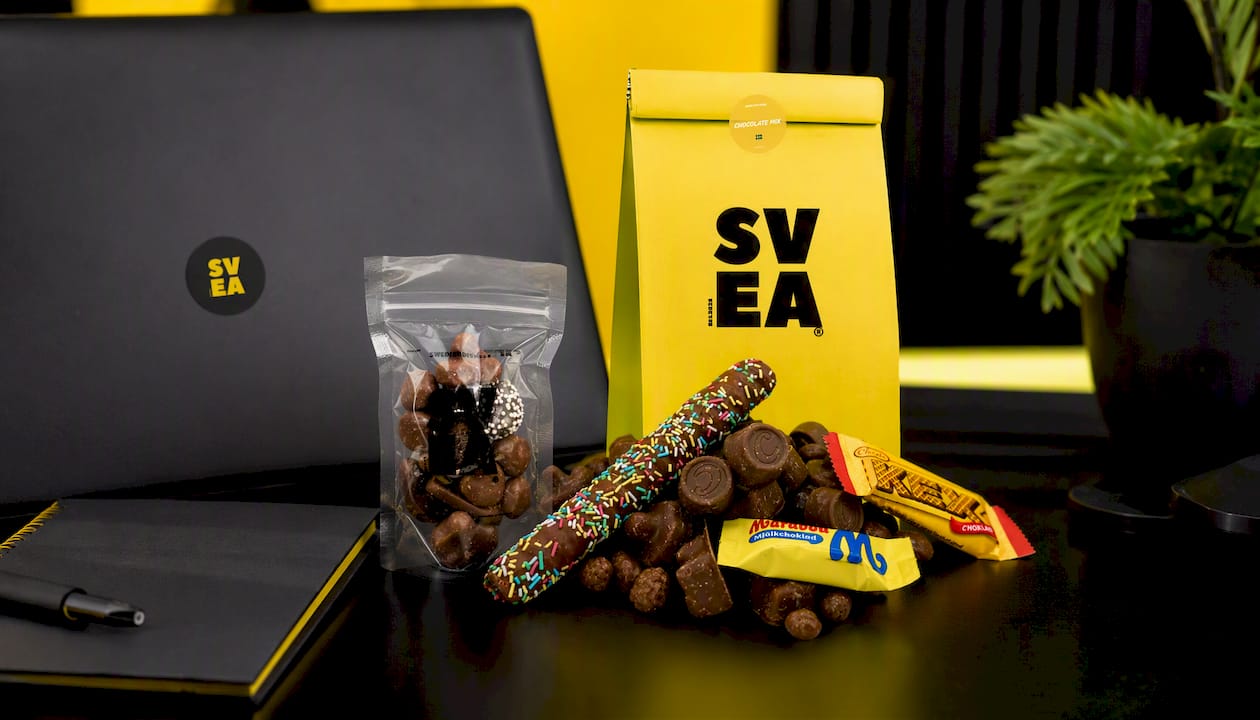
Ready to stock up? The Chocolate Swedish Mix Medium 500g spreads shipping costs across more candy, which lowers your effective per-ounce price compared to smaller packs. And if you’re curious about a single, classic treat, the Cloetta Kexchoklad Chocolate Wafer is one of Sweden’s most recognizable wafer chocolates, made with real ingredients and shipped fresh. All orders ship express, typically arriving within one to three days, and every product meets our standing commitment: no GMOs, no parabens, no high fructose corn syrup. Browse the full candy selection and see for yourself what direct sourcing does to the price tag.
Sources
- Not just a sweet treat: 5 surprising facts about Swedish candy
- Swedish Candy Is Still Viral for a Reason—Here’s Why It’s …
- Best Swedish Candy on Amazon 2026: Ranked & Reviewed | SwedishCrave
- Swedish Candy USA: Market Entry Strategy | Candora Trading