
Lucia holiday treats center on two things: lussekatter, glossy S-shaped saffron buns studded with raisins, and pepparkakor, thin crisp gingerbread cookies spiced with clove and cinnamon. Regional cousins exist too, from Venetian shortbread to Apulian olive-oil cookies called Saint Lucy’s Eyes. Swedes eat these treats on December 13, Lucia Day, as part of a morning tray or fika.
- Lussekatter: saffron buns, S-shaped, dotted with raisins
- Pepparkakor: thin gingerbread biscuits
- Regional variants: Venetian shortbread, Apulian Saint Lucy’s Eyes
According to Visit Sweden, these buns and biscuits are traditionally served with coffee, warm milk, or glögg. Sweetsbysvea ships a full range of Swedish holiday sweets worldwide, so even if your saffron doesn’t bloom right, your tray doesn’t have to sit empty.
Key Takeaways
Lucia holiday treats revolve around saffron-scented lussekatter and spiced pepparkakor, served in small portions with coffee, glögg, or julmust on December 13.
| Point | Details |
|---|---|
| Signature treats | Lussekatter (saffron buns) and pepparkakor (gingerbread) anchor every Lucia tray. |
| Key baking tip | Bloom saffron in warm liquid first and press raisins deep into the dough to stop them popping out. |
| Best beverage pairing | Coffee cuts spice and sweetness, while julmust outsells cola in Sweden during the holidays. |
| Regional variants worth knowing | Venetian shortbread and Apulian olive-oil cookies show Lucia traditions beyond Sweden. |
| Buying authentic treats | Sweetsbysvea ships GMO-free Swedish sweets like Dumle toffee and Licorice Lovers within 1 to 3 days. |
Table of Contents
- What Makes Lussekatter and Pepparkakor the Signature Lucia Treats?
- How Do You Bake Lussekatter and Pepparkakor at Home?
- Are There Regional Variations of Lucia Sweets Beyond Sweden?
- What Should You Drink With Lucia Treats?
- Why Do Swedes Celebrate Lucia With Buns and Candlelight?
- Where Can You Find Authentic Lucia Treats and Ingredients?
- Sources
What Makes Lussekatter and Pepparkakor the Signature Lucia Treats?
Lussekatter get their color and their name from saffron, the world’s most expensive spice by weight, blended into a butter and egg-enriched yeast dough. Bakers shape it into tight S-curves, sometimes called “cat’s coils,” then tuck a raisin into each curl before baking. The result is a bun that’s soft, faintly floral, and a shade of orange-gold you won’t find anywhere else on a Christmas table.
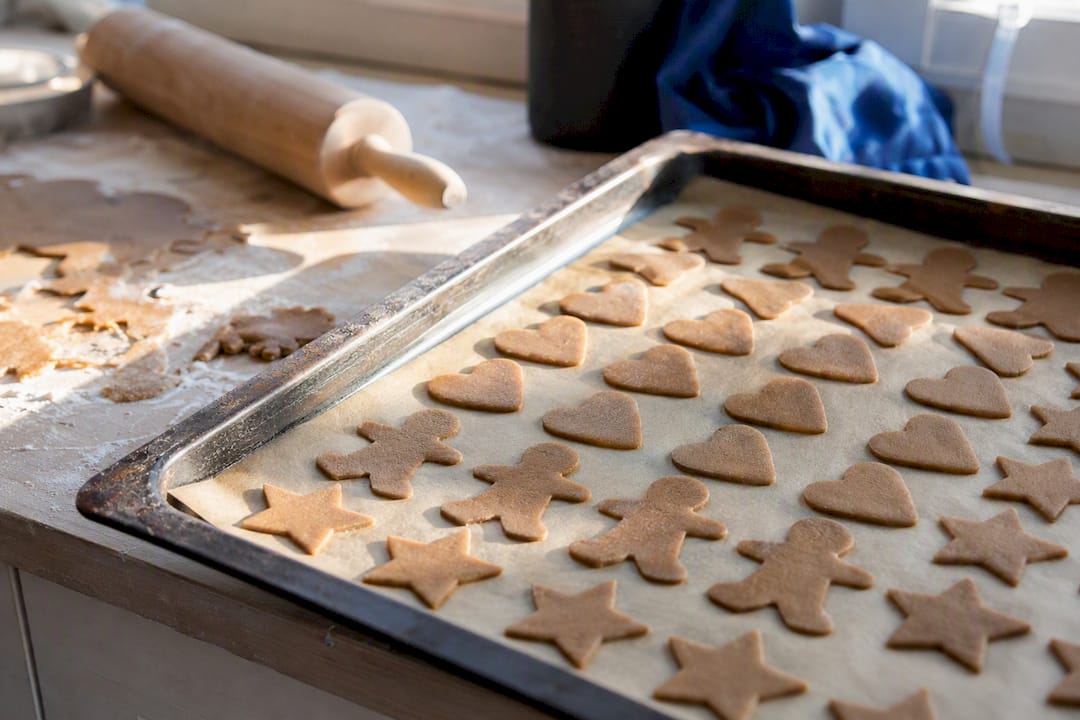
Pepparkakor work differently. These are rolled thin, cut into shapes, and baked until they snap cleanly. Ginger, clove, and cinnamon do the heavy lifting, backed by molasses or dark syrup that gives the dough its deep color and slight chew at the edges.
- Lussekatter: saffron, butter, eggs, yeast dough, raisins, S-shape
- Pepparkakor: ginger, clove, cinnamon, molasses, thin and crisp
Many Swedish households treat lussekatter as strictly seasonal. Baking or buying them outside the weeks around Lucia Day feels off to a lot of people, which is part of why the buns carry so much weight as a cultural marker rather than just a snack. On the morning itself, both treats typically show up in small portions, plated alongside a modest cup of coffee or glögg rather than piled high on a dessert table.
How Do You Bake Lussekatter and Pepparkakor at Home?
Saffron is unforgiving if you rush it. Bloom the threads in warm milk or a spoonful of sugar for at least 15 minutes before mixing the dough. This pulls out both the color and the aroma; skip the step and you’ll end up with pale, flat-tasting buns no matter how much saffron you used.
- Bloom the saffron in warm liquid before adding it to your dough.
- Portion the dough into pieces of roughly 60 to 92 grams each for standard-sized buns.
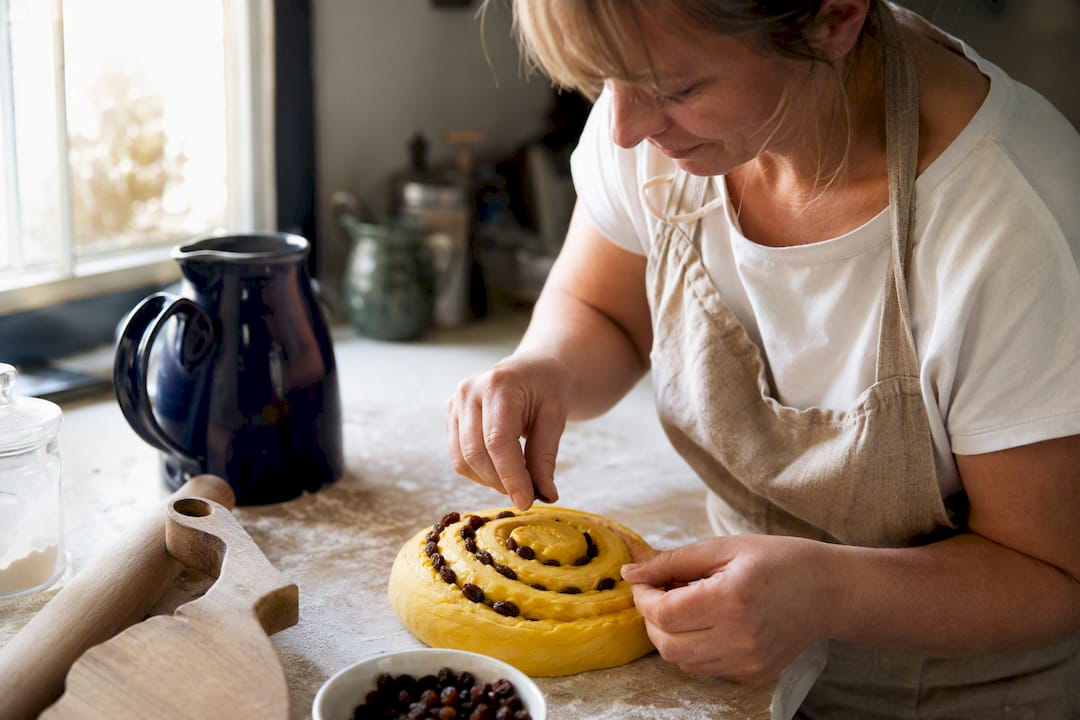
- Shape into an S-curve, curling both ends into tight coils.
- Press raisins deep into the folds, not just on top, so they survive baking intact.
- Proof until puffy but not overblown, usually 45 minutes to an hour depending on your kitchen’s warmth.
- Bake until set and lightly golden, generally 8 to 10 minutes at a moderate oven temperature.
For pepparkakor, chill the dough thoroughly before rolling. Warm dough sticks to the pin and won’t hold a clean cut. Roll it thin, almost translucent at the edges, for the classic snap.
Pro Tip: Push raisins in at an angle, toward the center of the coil rather than straight down. That embedding is what keeps them from popping loose in the oven, a small trick recipe writers at HonestCooking flag as the difference between a tidy bun and a scorched raisin mess.
The most common mistakes: underblooming the saffron, overproofing the dough until it collapses in the oven, and rolling pepparkakor too thick so it bakes soft instead of crisp.
Are There Regional Variations of Lucia Sweets Beyond Sweden?
Sweden’s lussekatter and pepparkakor get most of the attention, but Saint Lucy’s feast day stretches well beyond Scandinavia, and other regions built their own treats around it.
- Veneto, Italy: buttery shortbread cookies baked for December 13, closer in texture to a classic sablé than anything yeasted.
- Apulia, Italy: small cookies called Saint Lucy’s Eyes, made with olive oil and white wine instead of butter, giving them a lighter, almost savory edge.
- Sweden: saffron-forward lussekatter and spiced pepparkakor, both tied to the December 13 date.
The textures tell the real story. Swedish lussekatter is soft and enriched, pepparkakor is thin and snappy, Venetian shortbread is dense and buttery, and Apulian cookies lean drier thanks to the oil base. If you’re experimenting at home, swap raisins for candied citrus peel on lussekatter, or finish shortbread with a light citrus glaze instead of the traditional plain glaze.
What Should You Drink With Lucia Treats?
Coffee is the default pairing, and for good reason: its bitterness cuts through saffron’s sweetness and pepparkakor’s spice without competing for attention. But two other drinks matter just as much on a Lucia tray.
- Glögg: spiced mulled wine, usually garnished with almonds and raisins; nonalcoholic versions swap in juice or cider as the base.
- Julmust: a malt-based, slightly sweet seasonal soda that, according to the Stockholm Museum, actually outsells cola in Sweden during the Christmas season.
- Coffee: served in small cups, often the default for a weekday Lucia breakfast at home or work.
Serve everything warm except julmust, which is typically poured cold straight from the bottle. Keep portions small. This tray is meant for grazing throughout the morning, not one big sitting.
Why Do Swedes Celebrate Lucia With Buns and Candlelight?
Lucia Day, celebrated December 13, centers on a young woman chosen to wear a white robe and a candle wreath, symbolically bringing light through the darkest stretch of the Nordic winter. Processions happen in schools, churches, and workplaces, and as Visit Sweden notes, the timing of a local luciatåg can shift earlier or later than the actual date for practical scheduling reasons.
- Lucia is traditionally cast as a bearer of light during winter’s darkest weeks.
- Processions often use battery-powered candles now instead of open flame, a safety shift noted by BHG.
- The bun-and-coffee ritual functions as a small act of warmth and comfort, not just breakfast.
The origin of the word “lussekatt” itself is murky. Some link it to cat imagery in the buns’ curled shape; others trace it to older, darker folklore tied to Lucifer, a linguistic corruption rather than a literal connection. Nobody has settled the debate, which is part of what makes the tradition feel lived-in rather than manufactured.
Where Can You Find Authentic Lucia Treats and Ingredients?
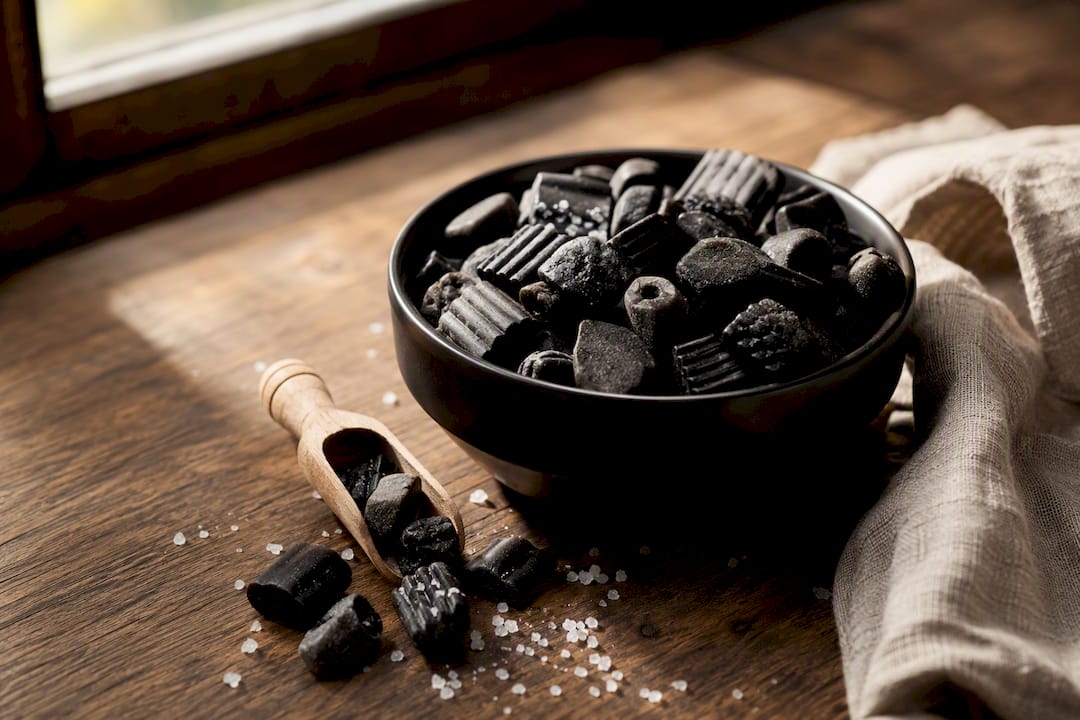
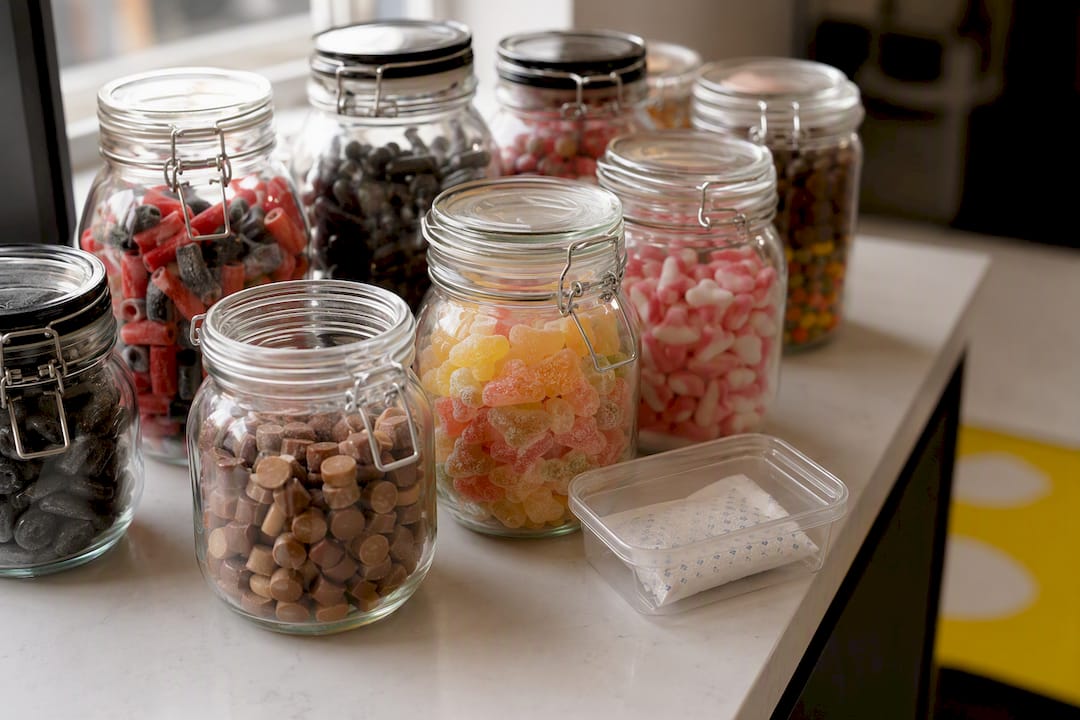
Baking from scratch isn’t the only path to an authentic Lucia tray. Sweetsbysvea ships Swedish sweets and grocery items internationally, with every product free of GMOs, parabens, and high fructose corn syrup, and delivery landing in 1 to 3 days.
- Dumle Licorice-Flavored Toffee works as a chewy tray filler alongside your baked goods.
- Hallon/Lakrits Kantareller adds a fruity licorice novelty that guests won’t have seen before.
- Licorice Lovers makes an easy hostess gift for anyone hosting a Lucia breakfast.
Pro Tip: If you’re ordering for December 13 itself, place your order at least a week ahead. Holiday shipping windows fill fast, and a tray missing its licorice corner is a sad tray.
A Small Bun, a Lot of Light
The ritual survives because of small, repeatable acts: a tray set out before sunrise, a song sung half awake, one saffron bun passed hand to hand. You don’t need a full procession to keep it alive. Set out coffee, a few lussekatter, and pepparkakor for the people at your table, and let the morning do the rest.
Bring an Authentic Swedish Tray to Your Table
Baking lussekatter from scratch takes patience, saffron, and a working oven schedule. Sweetsbysvea gives you a shortcut that doesn’t cut corners on authenticity: real Swedish products, shipped straight to your door in 1 to 3 days, with no GMOs, parabens, or high fructose corn syrup anywhere in the mix.
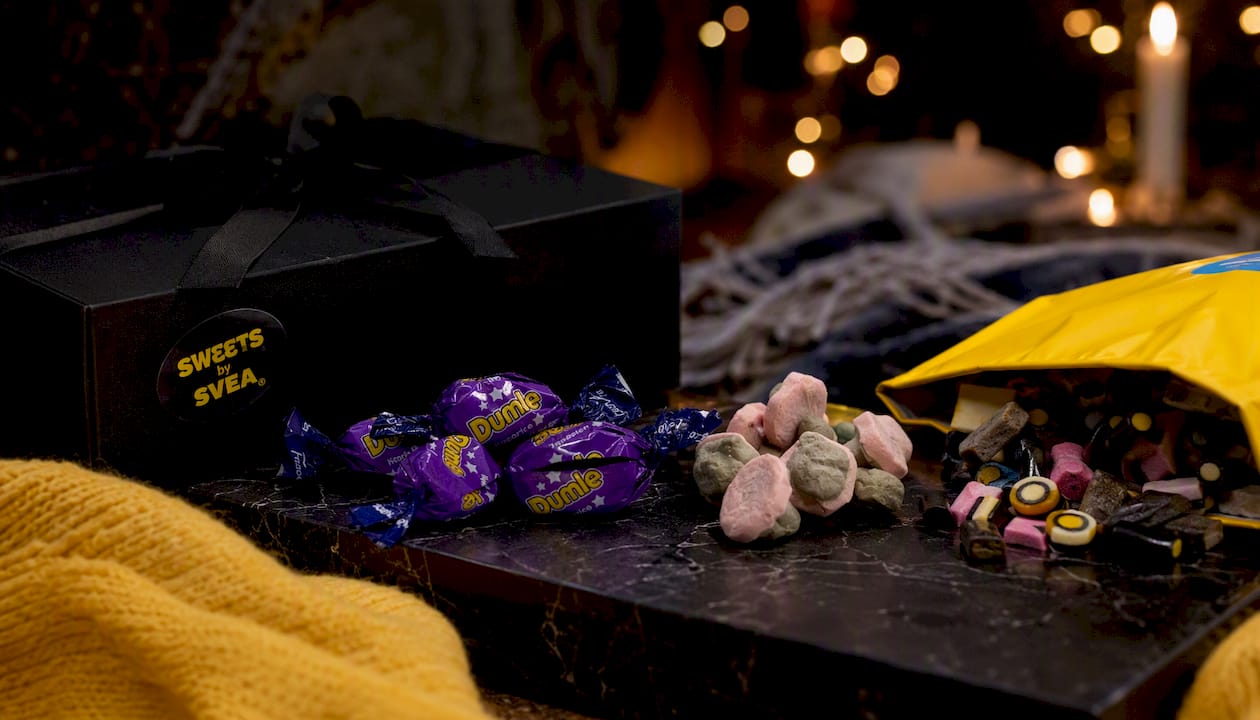
Round out your tray with the Licorice Lovers mix for guests who lean savory, or add Hallon/Lakrits Kantareller for a sweet-and-salty contrast next to your saffron buns. If you want a broader sense of what belongs on a Swedish holiday table beyond lussekatter, the Swedish candy guide breaks down the classics. Order this week to make sure everything lands before your Lucia breakfast on December 13.
Sources
- Lucia – an old Swedish tradition (Visit Sweden)
- Saffron Buns - Traditional Swedish Lussekatter Recipe (HonestCooking)
- Must: Sweden’s holiday drink (Stockholm Museum / Stockholm Unveiled)