
Some Swedish candy contains palm-derived fats, and some does not: the answer depends entirely on the product category and, often, the specific flavor or filling. Chocolate-coated pieces and mixed assortments are the likeliest to list palm or palm kernel oil, while many gummies and licorice sweets skip it in favor of other ingredients. The only way to know for certain is to check the ingredient list on the package or product page before you buy.
TL;DR:
- Chocolate and coated candies are most likely to contain palm-derived fats, so always check the ingredient list for vegetable fats and palm oil terms before purchasing.
- Gummies and licorice sweets typically avoid palm oil, relying instead on glucose syrup, gelatin, or waxes, but mixed assortments may include both palm-free and palm-containing pieces.
- EU regulations allow up to 5% non-cocoa vegetable fats in chocolate products, but the specific fat source, including palm oil, must be confirmed by inspecting the full ingredient list.
- Retailer listings can be outdated; always verify ingredients on the packaging, especially when ordering online, and photograph labels for future reference.
- Choosing products with “palm-free” labels or RSPO certification can help with sustainability efforts, but neither guarantees complete environmental or health benefits.
Table of Contents
- Which candy categories tend to contain palm oil and which usually avoid it
- How to check the label: exact words and practical steps
- What EU chocolate rules mean for “vegetable fat” on labels
- Sustainability and health: why shoppers avoid palm oil and what certification does
- Nutrition reality check: palm-oil-free does not mean healthy
- Sweets by Svea perspective: how we handle ingredient verification
- What buyers should actually prioritize
- Palm-friendly picks from our store and how to order
- Sources
- FAQ
Which candy categories tend to contain palm oil and which usually avoid it
Candy type is a decent first filter, even before you read a single ingredient. Chocolate, filled chocolates, coated candies, and many mixed pick-and-mix assortments are more likely to include vegetable fats that can be palm-derived, since manufacturers often use them to control texture, melting point, and shelf life. A Swedish Candy Pippi listing is a clear example: its ingredient panel names “vegetable fat (palm/palm kernel oil/palm oil/fat, shea fat)” directly, showing how a chocolate-containing mixed bag can carry palm derivatives even when the bag itself never says “palm oil” on the front.
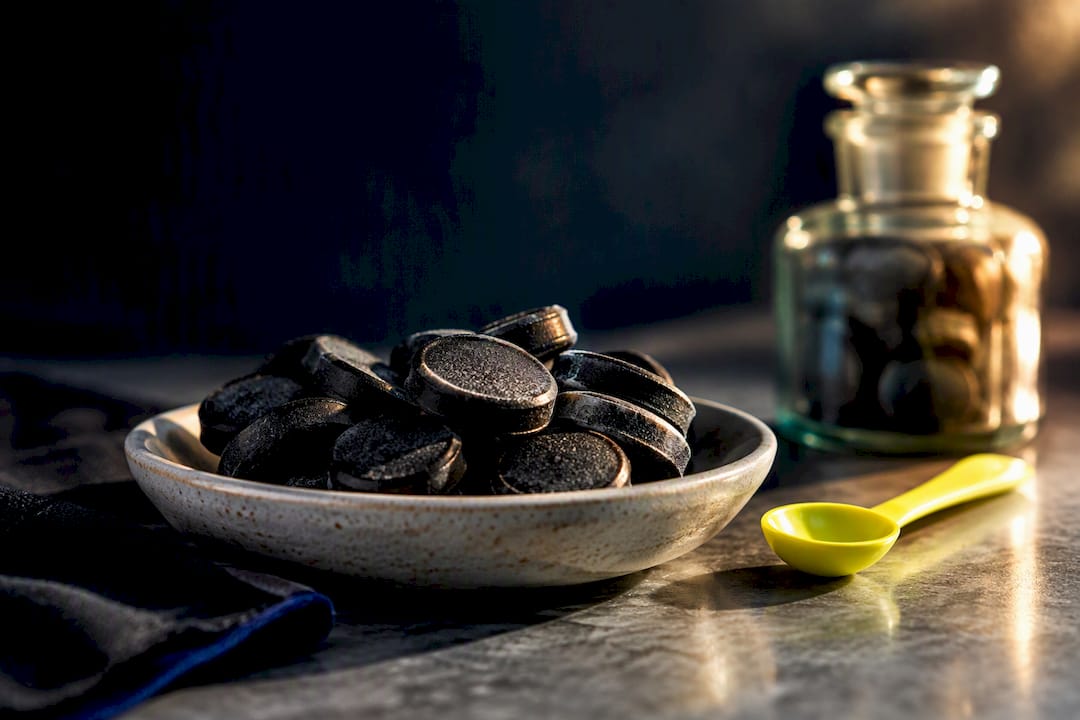
Gummies, classic soft candies, and most licorice products tell a different story. These formulas typically rely on glucose syrup, gelatin or starch-based setting agents, and glazing agents like carnauba wax rather than fats at all, which is why palm oil shows up far less often in this category.
Keep these category patterns in mind as a starting point, not a guarantee:
- Chocolate bars, pralines, and filled chocolates often use non-cocoa vegetable fat, which can include palm.
- Coated candies (chocolate shells, yogurt coatings) sometimes use palm-based coatings for a cleaner set.
- Gummies and jellies usually skip palm oil in favor of glucose-fructose syrup and gelling agents.
- Licorice pieces frequently use coconut oil or carnauba wax instead of palm-based fats.
- Mixed assortment bags can contain both palm-free and palm-containing pieces in the same bag.
That last point matters more than people expect. A bag with a mix of shapes and flavors is not one ingredient list, it is several, and the palm-free gummy sitting next to a chocolate piece does not make the whole bag palm-free.
How to check the label: exact words and practical steps
Reading a candy label for palm oil takes less than a minute once you know what to look for. Here is the sequence worth following every time:
- Scan the ingredient list for “palm oil,” “palm kernel oil,” or “palm fat,” and for local-language terms like “palmolja” or “palmfett” on Swedish packaging.
- Check the area near the chocolate content statement for the phrase “vegetable fat,” since this is where non-cocoa fats get disclosed.
- Note where the fat appears in the list: ingredients are ordered by weight, so a fat listed early carries more weight in the product than one listed near the end.
- Cross-check the nutrition panel for sugars and calories at the same time, since you are already reading the label.
- For online orders, use the brand’s own ingredient page rather than a retailer’s product description, and contact customer support if the listing looks outdated.
Retailer listings, especially on marketplaces and reseller sites, can lag behind actual packaging changes by months. A manufacturer might reformulate a recipe to remove palm oil, but the old ingredient text stays live on a third-party page long after the update. Smaller confectionery retailers, including partner sellers like Candy Cane from The Gilded Cup, publish their own product pages with ingredient panels, which is a reasonable way to see how listings vary across sellers, but the package in hand always wins over any web listing.
Pro Tip: Photograph the ingredient panel when you unbox a candy order, so you have a permanent record if the brand changes its recipe later.
What EU chocolate rules mean for “vegetable fat” on labels
Chocolate sold in the EU operates under specific composition rules that directly affect how palm oil shows up on labels. Under EU rules on cocoa and chocolate, manufacturers may use up to 5% non-cocoa vegetable fats in certain chocolate products, and when they do, the label must state that the product “contains vegetable fat in addition to cocoa butter.”
That phrase is a signal, not a confirmation. It tells you the manufacturer used some non-cocoa fat, and palm oil is one of the fats commonly used for this purpose, but it does not specify which fat or fats were used. The only way to know if that vegetable fat is palm-derived is to check the full ingredient declaration, where the specific fat source must be named.

If you are buying an imported Swedish candy, check the ingredient panel for the market where the specific unit was packaged and sold, since ingredient formulations and label requirements can differ between the country of origin and the country where you are ordering from. A product’s recipe in one market is not a guarantee of the same recipe in another.
Sustainability and health: why shoppers avoid palm oil and what certification does
Palm oil’s environmental record is a big part of why shoppers look for alternatives in the first place. Palm oil production has been tied to deforestation and biodiversity loss in growing regions, concerns that extend well beyond candy into a huge share of packaged food and household products.
The Roundtable on Sustainable Palm Oil, or RSPO, is the industry’s main response: a voluntary certification scheme that sets sourcing standards for member producers. Research on RSPO’s impact finds the certification can produce environmental improvements in some contexts, but its effects are inconsistent and depend heavily on local conditions. In other words, an RSPO label is a meaningful data point, not a blanket guarantee of sustainable sourcing.
For shoppers who want to act on this, the practical choices come down to a short list:
- Choose products that state “palm-free” or list specific alternative fats like coconut oil.
- Where palm oil is present, look for RSPO certification as a partial, context-dependent signal of better sourcing.
- Contact the brand directly if traceability details are not listed on the package or product page.
None of these options is perfect, but together they give you more control than guessing based on a product’s category alone.
Nutrition reality check: palm-oil-free does not mean healthy
Skipping palm oil says nothing about sugar or calories, and it is easy to assume “no palm oil” means “healthier” when the nutrition panel tells a different story. The Pippi assortment that contains palm-derived fat also reports 438 kcal and 58.6 grams of sugar per 100 grams, numbers that would be considered high regardless of the fat source used.
A few habits help here:
- Check serving size before comparing two products, since bag sizes and recommended portions vary widely.
- Compare sugar per 100 grams rather than per package, so you are measuring the same unit across products.
- Treat “palm-oil-free” and “vegan” labels as ingredient claims, not nutrition claims.
For a deeper look at how Swedish candy stacks up nutritionally, our Swedish candy nutrition guide covers sugar content and calorie ranges across common product types.
Sweets by Svea perspective: how we handle ingredient verification
Some candy retailers source products without GMOs, parabens, or high fructose corn syrup, applying that ingredient standard across their assortments, snacks, and grocery items. Because supplier formulations can change, our team checks current packaging and supplier documentation when ingredient questions come up, rather than relying only on older product descriptions.
Many candy retailers emphasize freshness with fast delivery in one to three days, as newer stock is more likely to reflect a supplier’s current recipe than older stock sitting in a warehouse. Customers who want ingredient confirmation before ordering, including palm oil status on a specific product, can reach our support team directly, and our ingredients and allergen guide walks through how to read Swedish-language ingredient terms on our product pages. Thousands of customer orders and reviews can indicate consistent satisfaction with product quality and freshness, which is an important standard for listings.
What buyers should actually prioritize
The conventional advice on this topic tends to stop at “check the label,” which is true but incomplete. The more useful habit is checking the label every time, even for a brand or product you have bought before, because formulations change and a palm-free candy today is not a permanent guarantee for next year’s batch.

The bigger blind spot is treating “Swedish candy” as one ingredient profile. It is not. A licorice piece and a chocolate-filled assortment from the same country, sometimes the same brand, can sit on opposite ends of the palm oil question. Shoppers who generalize from one good experience with a brand’s gummies to assume the whole product line is palm-free are setting themselves up to be surprised by a mixed bag’s chocolate pieces.
If you only have time for one check, make it the ingredient list, not the marketing copy on the front of the bag. Words like “natural” or “traditional recipe” say nothing about fat sourcing. The ingredient panel, read in full and in order, is the only part of the package that actually answers the question.
— Sweets
Palm-friendly picks from our store and how to order
Buying Swedish candy without palm oil surprises does not have to mean giving up on the classics, it means knowing which products to reach for and how to confirm what is in them. A few options worth a look:
- Ahlgrens Bilar Limousines: a classic soft-candy shape where the ingredient list is worth a quick scan for fat source before you order.
- Almond Butter Toffee: a chocolate-adjacent treat where checking for a vegetable fat statement is the right first step.
- Bubs Swedish Mix Medium 500g (17.63oz): a mixed assortment where individual piece ingredients can vary, so checking the full panel matters most here.

If you want ingredient confirmation on any product before you order, our support team can check current packaging details for you. Browse the full Sweets by Svea shop for candy, snacks, groceries, and fika items, or set up Home, Delivered Monthly for a recurring box of Swedish treats shipped to your door.
Sources
Readers who want to verify claims directly can consult the EU rules on cocoa and chocolate for labeling requirements, BUBS ingredient pages for representative product formulations, and the Tallink Pippi listing for an example of palm-inclusive labeling. Sweets by Svea’s own ingredients guide covers how to read Swedish-language ingredient terms on current product pages.
- Swedish Candy Pippi 340 g — product ingredient listing
- Cocoa and chocolate | EUR-Lex
- Systematic review of RSPO impacts
FAQ
What candy uses palm oil?
Chocolate-coated candies, filled chocolates, and mixed assortments are the most likely to contain palm oil or palm kernel oil, since these fats help control texture and melting point. The Pippi assortment is a documented example, listing “vegetable fat (palm/palm kernel oil/palm oil/fat, shea fat)” on its ingredient panel.
Are Swedish candies healthy?
Swedish candy varies widely in sugar and calorie content regardless of whether it contains palm oil, so “palm-free” is not a health claim. Some assortments report high calories and sugar per 100 grams, similar to candy from other countries with comparable recipes, as shown on the Pippi nutrition panel.
Which candy is completely free of palm oil?
Several licorice products list no palm oil at all. BUBS Raspberry Salty Licorice SKALLE uses coconut oil and carnauba wax instead, and Business Sweden notes that BUBS products are marketed as free from palm oils. Always confirm on the current package, since formulations can change between batches.
Does Swedish candy contain Red 40?
Some Swedish candies use synthetic colorings, though the specific dye depends on the individual product and its market formulation. Checking the color additive listed in the ingredient panel is the most reliable way to confirm what a specific candy contains, since coloring agents vary by brand and recipe.
How do I know if an imported Swedish candy is palm-free?
Check the ingredient list on the package as sold in your market, since EU labeling rules require ingredients listed in descending order by weight and formulations can differ between countries. If the retailer listing is unclear or looks outdated, contact the brand or seller directly for the current ingredient declaration.