
The best Swedish candy for kids starts with soft, familiar textures and clear ingredient labels: Swedish Fish for a chewy, gelatin-free classic kids already recognize, plus Wellibites Jordgubb Cola and Wellibites Hallon/saltlakrits for vegan, sugar-free options. Each one skips the rock-hard textures that worry parents, and each covers a different dietary need, from standard picky eaters to kids on sugar-free or vegan diets.
TL;DR:
- Swedish Fish are suitable for children under five when cut into smaller pieces and served in small portions to reduce choking risk.
- Vegan and sugar-free options like Wellibites Gummies cater to dietary restrictions and are generally safer for allergy-prone or health-conscious kids.
- For older children, bolder flavors such as salted licorice and sour coatings become appealing around age 11 and above, fitting their developing taste preferences.
- Textures like foam candies and soft gummies are safest for young kids, while hard candies, thick licorice ropes, and sticky caramels should be avoided by children under five.
- Keeping candy in small, portion-controlled paper bags rather than shared bowls encourages moderation and reduces overeating.
Table of Contents
- Which Swedish Candy Is Best for Each Age Group?
- What Textures and Flavors Show Up in Swedish Candy?
- Is Swedish Candy Safe for Kids With Allergies or Dietary Needs?
- What Candy Textures Should You Avoid for Young Kids?
- Why Do Swedish Kids Get Candy Only on Saturdays?
- Is Skipping Daily Candy Actually the Smarter Move?
- Where to Buy Authentic Swedish Candy for Kids
- Sources
- FAQ
Which Swedish Candy Is Best for Each Age Group?
Age matters more than flavor when you’re picking kids Swedish candy, and Swedish parents have known this for decades. A four-year-old and an eleven-year-old need almost opposite things from the same candy bowl.
Ages 3 to 6: stick to soft, low-resistance textures. Foam candies and small, soft gummies chew down fast and don’t require much bite force, which lowers choking risk compared to hard candy or thick licorice ropes. Keep servings to a small handful, four or five pieces, not a fistful. Swedish Fish works well here because its texture is soft and consistent, with no hard shell or sticky caramel center to worry about.
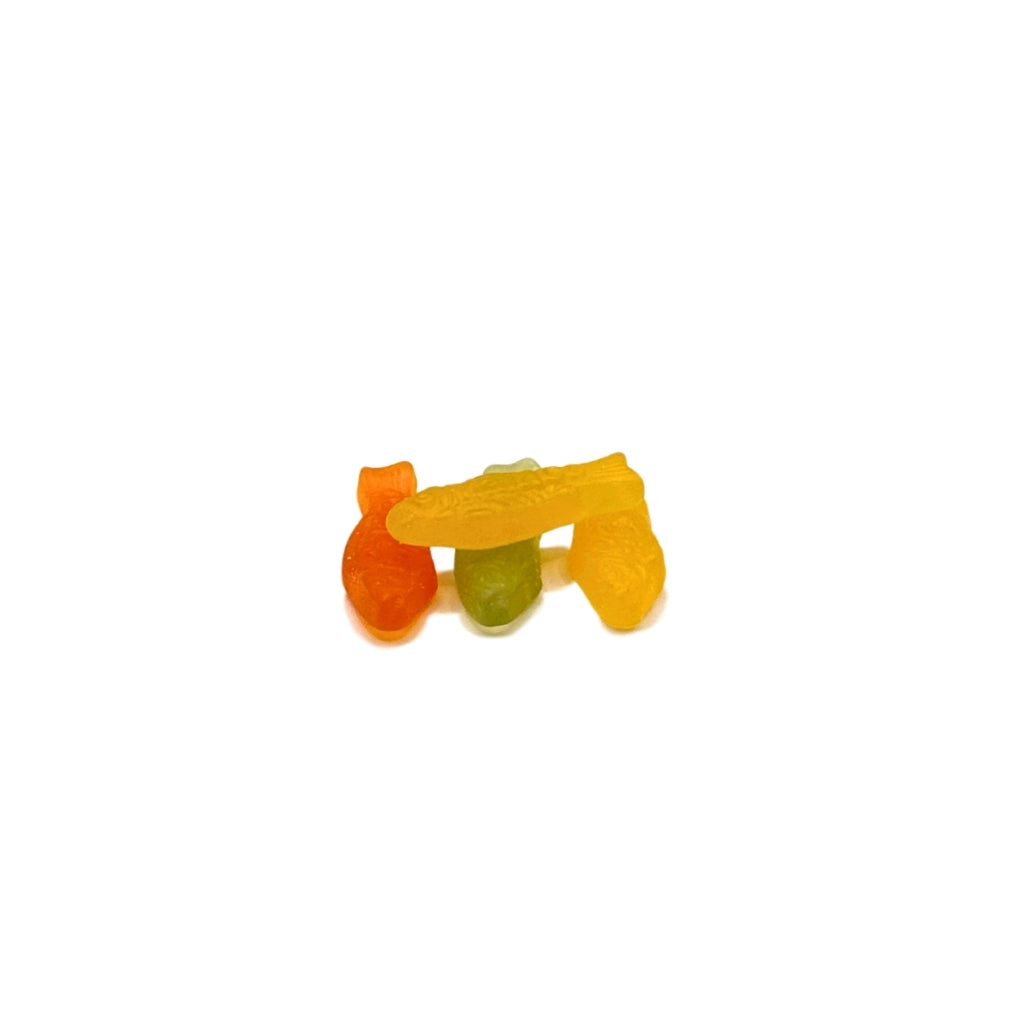
Ages 7 to 10: this is where playful shapes and mild sour flavors take over. Kids this age start asking for the fun stuff: sour belts, fish shapes, foam animals, and they can usually handle a light sour coating without complaint. It’s also prime pick-n-mix party age. A mixed bag with Swedish Fish as the anchor candy plus a couple of milder sour gummies makes an easy party-bag base.
Ages 11 and up: appetite for intensity grows. This is when salted licorice, stronger sour coatings, and bolder textures start to land instead of getting spit into a napkin. The Wellibites Hallon/saltlakrits blend, raspberry paired with salty licorice, sits right in that adventurous zone while staying sugar-free and vegan.
Here’s a quick shortlist by scenario:
- Toddler-safe party bags: Swedish Fish, cut into smaller pieces for kids under 5
- School-safe snack swaps: Wellibites Jordgubb Cola, sugar-free and vegan, good for classrooms with dietary restrictions
- Sleepover or older-kid treat bowl: Wellibites Hallon/saltlakrits for kids who’ve outgrown “just sweet”
Pro Tip: Pack candy assortments in small paper bags rather than one shared bowl. It naturally portions servings and makes it obvious when a child has had enough for the day.
For more assortment ideas built around a theme, Swedish Halloween candy picks offer a ready-made party-bag structure that works outside October, too.
What Textures and Flavors Show Up in Swedish Candy?
Swedish candy breaks into a handful of recognizable categories, and knowing them helps you shop faster. Foam candies are light, airy, and easy to chew, common in animal and fruit shapes. Gummies run denser and chewier, ranging from mild fruit flavors to full sour coatings. Marshmallow shapes add a pillowy texture that’s gentle on young mouths. Chocolate-covered pieces show up less often in the classic pick-n-mix lineup but still have a place in gift assortments. Then there’s salty licorice, a flavor category unique to Scandinavian candy culture and genuinely divisive outside it.
For younger kids, foam and soft gummy textures tend to work best, with guidance on safe use available in this At-Home Dental Care Kits for Children resource. They break down fast and don’t demand much chewing effort. Older kids gravitate toward:
- Sour-coated gummies for a flavor punch
- Salted licorice for a more grown-up, acquired taste
- Fruit-shaped gummies (fish, berries, wedges) that mix visual fun with milder flavor
A deeper breakdown of these categories, including which ones tend to run gelatin-free, lives in this guide to Swedish candy types.
Is Swedish Candy Safe for Kids With Allergies or Dietary Needs?
Reading a Swedish candy label takes about ten seconds once you know what to look for. Gelatin is the main animal-derived ingredient to watch for. If a candy lists pectin or potato protein instead, it’s typically vegan-friendly. Both Wellibites lines in this guide use plant-based binders rather than gelatin, which is why they carry a vegan label.
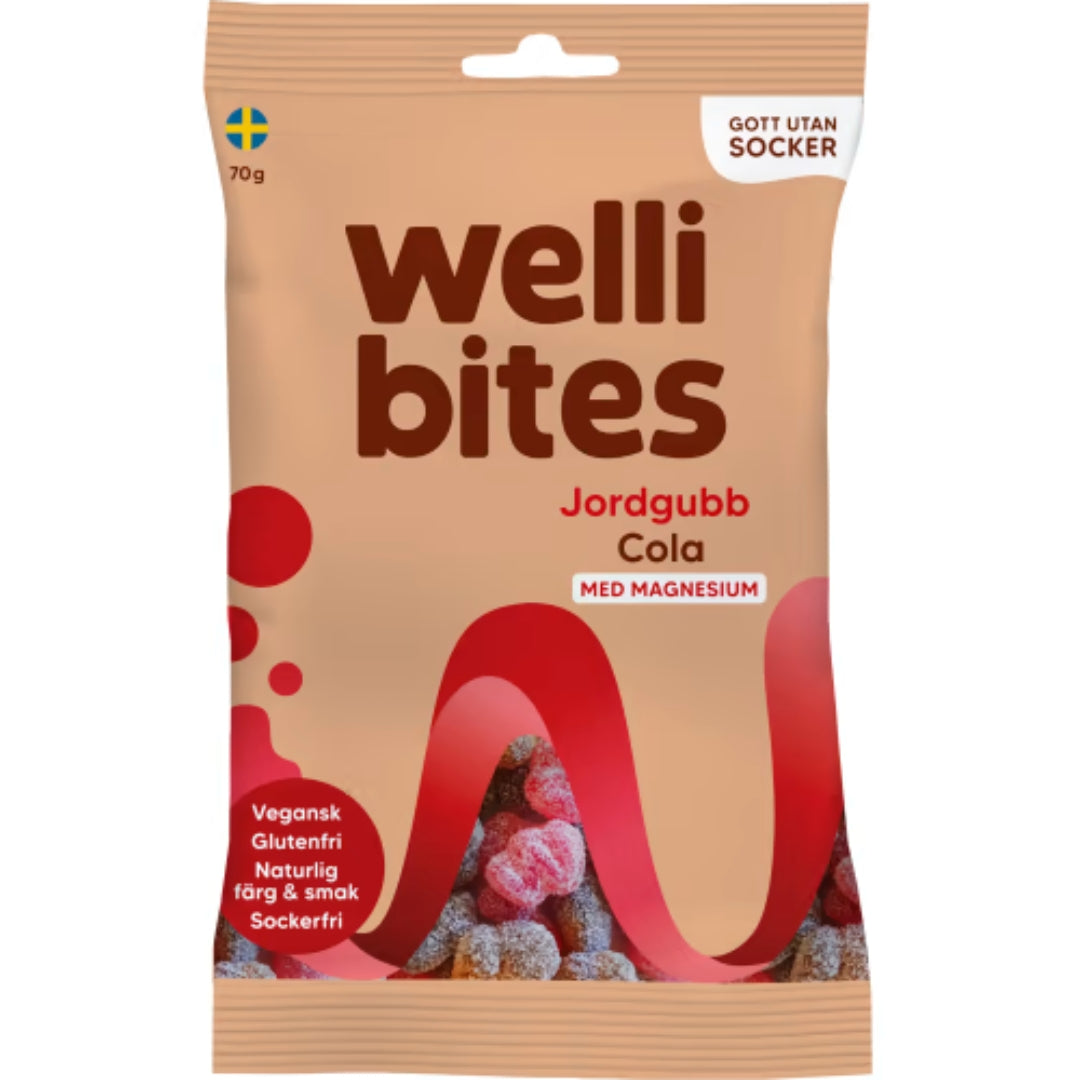
Sugar-free versions usually swap in sugar alcohols like maltitol or sorbitol, which taste close to the real thing but can cause mild digestive upset in large amounts, so stick to normal portions rather than a whole bag in one sitting. Many popular Swedish candy lines now offer vegan or gelatin-free formulations as standard, not just as a specialty niche.
Quick label-check list before you order:
- Scan for “gelatin” if you need a vegan or vegetarian option
- Check for nut or tree-nut cross-contact warnings if allergies are a concern
- Look for “sugar-free” or “sockerfri” and note the sweetener used
- Confirm gluten status separately. It isn’t automatic just because a candy is gelatin-free
A full walkthrough of ingredient terms and what they mean lives in this ingredients and allergen guide.
What Candy Textures Should You Avoid for Young Kids?
Some textures just aren’t worth the risk for kids under five. Here’s the short list:
- Hard candies and lozenges. They don’t break down easily and pose a real choking hazard for toddlers and preschoolers.
- Very intense sour coatings. Beyond choking risk, strong sour dust can irritate a young child’s mouth.
- Thick licorice ropes or chews. These require more bite force than a small child can safely manage.
- Sticky caramels. They can lodge in a way that’s hard to dislodge if a child chokes.
The CDC’s choking-hazard guidance points to soft, small pieces as the safer default for young kids, which lines up with why foam candies are the go-to starter texture. Always supervise young eaters, cut larger pieces in half, and treat candy as a limited weekly treat rather than a daily habit.
Why Do Swedish Kids Get Candy Only on Saturdays?
Lördagsgodis, literally “Saturday candy,” is a Swedish tradition where kids get their candy fix once a week instead of daily. It traces back to mid-20th-century public health messaging aimed at reducing tooth decay, and it stuck around because it works as both a health habit and a family ritual.
Swedish parents often pair lördagsgodis with pocket money, letting kids pick their own pick-n-mix bag and manage a small budget. It turns candy into a weekly lesson in choice and moderation, not just a treat.
Families outside Sweden can borrow the structure without the original context: pick one day, let kids build their own small bag from a mix of textures, and treat it as the week’s candy allowance rather than an anytime snack.
Is Skipping Daily Candy Actually the Smarter Move?
Most candy guides treat “kid-friendly” as a synonym for “artificially colored and overly sweet.” That’s backwards. The Swedish approach, built around lördagsgodis, treats candy as a weekly event with real boundaries, and that structure does more for a child’s relationship with sugar than any ingredient swap ever could.
The conventional advice tells parents to hunt for “healthy candy,” which doesn’t really exist. What actually matters is texture safety for young kids, honest ingredient labels for allergies, and portion habits that don’t turn candy into background noise. A sugar-free vegan gummy is a nice option for a kid with dietary restrictions, but it’s not automatically “better” for a child with no restrictions at all. Context decides that, not the label.
If you take one thing from this guide, prioritize texture safety first, allergen clarity second, and only then worry about flavor preference. Get those three right and the rest sorts itself out.
— Sweets
Where to Buy Authentic Swedish Candy for Kids
Orders arrive fresh in 1 to 3 days from a reliable source, no matter where you’re ordering from. That combination, real Swedish sourcing plus fast, reliable shipping, is hard to match if you’re used to hunting import shelves for the same brands at double the price.
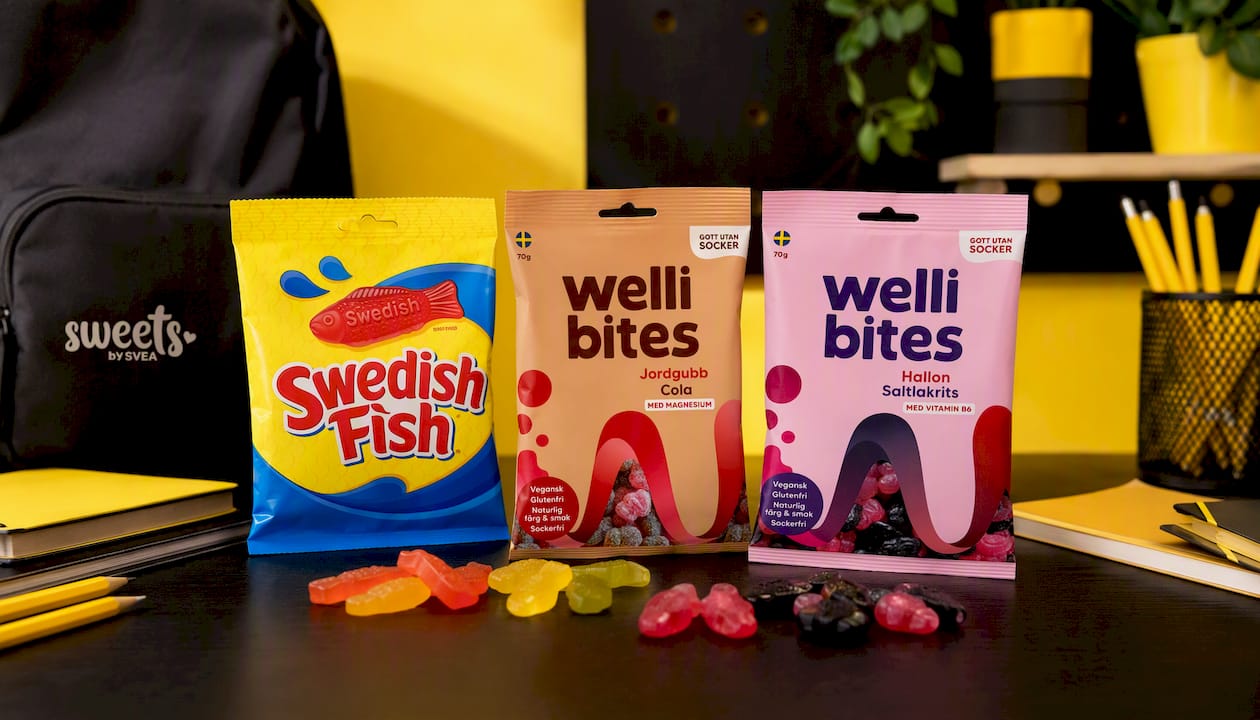
Start with the three picks covered in this guide. Swedish Fish works as a base candy for almost any age past the toddler stage; keep servings to a small handful for younger kids. The Wellibites Jordgubb Cola mix suits kids on sugar-free or vegan diets who still want something fun in their party bag. The Wellibites Hallon/saltlakrits blend is the one to save for older kids ready for a bolder, salty-sweet flavor.
Before you check out, scan each product page’s ingredient list directly. It’s the fastest way to confirm gelatin status, sugar content, and any cross-contact warnings for your child’s specific needs. If you’re building a themed assortment, the best Swedish candy for American buyers roundup is a solid next stop for rounding out a mixed order.
Sources
- Lördagsgodis: Sweden’s Saturday-only candy tradition
- A sweet guide to the best Swedish candy
- Foods and drinks that are choking hazards (CDC)
FAQ
What Is Sweden’s Most Popular Candy?
Salty licorice and foam-based pick-n-mix candies dominate Swedish candy bags, but for kids specifically, fish-shaped gummy candies like Swedish Fish remain a consistent favorite thanks to their mild flavor and soft texture.
Is Bon Bon or Mums Better for Kids?
Both are classic Swedish chocolate treats, but neither is specifically built for young kids’ safety needs the way gelatin-free gummies or foam candies are. For children with allergy concerns or texture sensitivities, a labeled vegan or sugar-free gummy option is the safer starting point.
What Is Traditional Swedish Candy?
Traditional Swedish candy centers on pick-n-mix bins filled with foam shapes, fruit gummies, and salty licorice, tied culturally to the weekly lördagsgodis tradition rather than daily snacking.
Is Swedish Candy Healthy?
No candy is truly “healthy,” but Swedish candy culture’s weekly-treat structure and its growing range of sugar-free and gelatin-free formulations make it easier to fit into a balanced approach than daily candy grazing.
What Age Is Safe for Sour or Salty Licorice Candy?
Most sour and salted licorice candies suit kids age 7 and up, once they can handle stronger flavors and don’t need the softest textures required by toddlers and preschoolers.