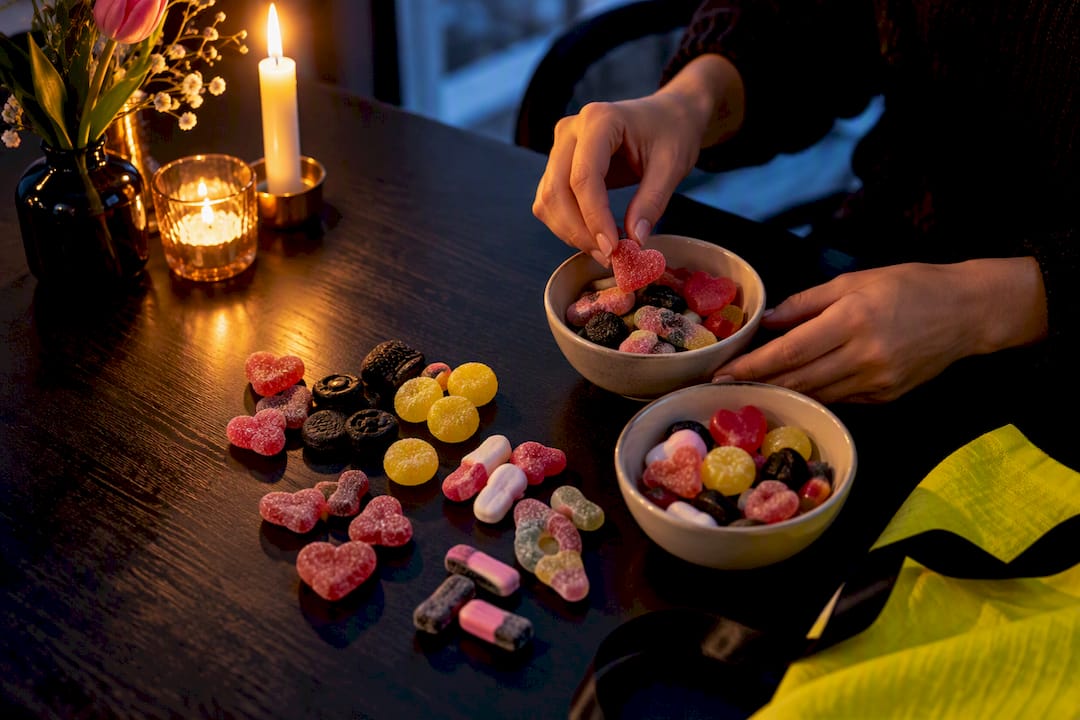

Yes, you can buy dairy-free packaged Swedish chocolate, but the label decides, not the wrapper color or the word “chocolate” on the front. Check the ingredient panel for milk-derived terms and read any precautionary statement before you order. Sweets by Svea and similar retailers carry both dairy and dairy-free items, often in the same mix, so treat every product page as its own checkpoint rather than trusting the category tag alone. If you have a milk allergy rather than a preference, look specifically for “vegan” or explicit “dairy-free” wording, not just “lactose-free.”
TL;DR:
- Reading Swedish labels carefully is essential, as dairy ingredients can be hidden under terms like mjölk, vassle, or kasein, even in products marketed as dairy-free.
- Always verify the full ingredient list and allergen declarations on product pages, as label wording and cross-contact warnings vary and are legally mandated in the EU.
- A dairy-free filter is a helpful starting point but does not guarantee an item is free from milk traces or cross-contact, so confirm with the seller if necessary.
- Pack size and product type provide clues about dairy content; for example, large mixed boxes require checking each SKU, and seasonal variants may differ from standard versions.
- International shipping adds potential delays and customs considerations; photograph labels upon arrival and contact support immediately if ingredients differ from online listings.
Table of Contents
- How to Read Swedish Ingredient Lists for Milk
- What’s the Best Way to Buy Dairy-Free Swedish Chocolate Online?
- Which Product Mixes Work for Different Shoppers?
- Ordering From Abroad: Shipping, Shelf Life, and What to Do if Something’s Wrong
- Does Dairy-Free Swedish Chocolate Taste Different?
- What Should You Know About Nutrition in Dairy-Free Swedish Chocolate?
- Why You Can Reasonably Consider Sweets by Svea for This
- Ready to Order Dairy-Free-Friendly Swedish Chocolate?
- Where to Verify Labeling and Allergy Rules Yourself
- Sources
- FAQ
How to Read Swedish Ingredient Lists for Milk
Swedish ingredient panels use their own vocabulary for dairy, and it doesn’t always look familiar to an English-speaking shopper. Mjölk means milk. Mjölkpulver is milk powder. Vassle or vasslepulver refers to whey or whey powder, a common hidden dairy source in filled chocolates and toffee. Smörfett is butterfat, grädde is cream, and kasein (casein) is a milk protein that can show up even in products marketed as low-lactose.
Here’s the list to keep on hand when scanning a label:
- Mjölk — milk
- Mjölkpulver — milk powder
- Vassle / vasslepulver — whey / whey powder
- Smörfett — butterfat
- Grädde — cream
- Kasein — casein (milk protein)
Under the EU Food Information Regulation, allergenic ingredients including milk must be clearly emphasized in the ingredients list, typically in bold, capitals, or a different font. This isn’t a courtesy. It’s a legal requirement, and it’s why a genuinely dairy-free product will show a clean panel with no milk terms highlighted anywhere. The Swedish National Food Agency’s guidance on milk proteins and lactose lays out exactly which terms count and how allergen labeling has to work.
Milk turns up where it shouldn’t more often than shoppers assume. A Nordic control project found milk in 12% of products that carried no milk declaration at all, with casein concentrations ranging from 2.0 to 2,600 mg per kilogram. Dark chocolate, which many people assume is automatically dairy-free, was part of that risk picture. A dark cocoa content doesn’t guarantee a clean panel.
Pro Tip: If a product page’s “may contain” statement is missing, vague, or absent entirely, contact the seller directly before ordering. Silence on cross-contact risk is not the same as confirmation there isn’t any.
What’s the Best Way to Buy Dairy-Free Swedish Chocolate Online?
A dairy-free filter on a store’s category page is a starting point, not a guarantee. Follow this sequence every time:
- Filter first, but always open the product page. Category tags like “vegan” or “dairy-free” narrow your options, but they’re set by the retailer, not verified per batch.
- Read the full ingredient panel and allergen declaration. Look for the Swedish milk terms above. Remember that lactose-free addresses lactose intolerance, not a milk-protein allergy. Casein and whey can still be present in a lactose-free product.
- Check for precautionary allergen labeling (PAL) and production notes. “May contain traces of milk” matters even when milk isn’t a listed ingredient. If this information isn’t on the page, ask before you buy.
- Confirm pack size, best-before date, delivery window, and any customs or duty costs for your country before checkout.
- If you have a diagnosed milk allergy, favor products explicitly labeled vegan or dairy-free with a clear allergen statement, and request manufacturer confirmation directly if the stakes are high enough to warrant it.
For a deeper walkthrough of Swedish candy ingredients and allergen wording, Sweets by Svea’s ingredient and allergen guide breaks down common terms product by product.
Pro Tip: Bookmark the ingredient panel screenshot after you order. If the delivered product doesn’t match what you checked, you’ll have proof for a support request.
Which Product Mixes Work for Different Shoppers?
Not every mix is built the same way, and pack size often tells you more about intent than dairy status does.
- Chocolate Swedish Mix Medium 500g (17.63oz) suits sharing, gifting, or stocking up for a household. Because it bundles multiple items, check the ingredient list for each SKU inside rather than assuming the whole box shares one dairy profile.
- Chocolate Swedish Mix Small 50g (1.76oz) works well for sampling before committing to a larger order, especially if you’re new to a brand and want a quick, low-risk taste test. Verify the ingredients on this smaller listing too. Small doesn’t mean simpler.
- Daim Mini is a single-SKU item, and its classic almond caramel version typically contains milk chocolate. Some regional or seasonal variants exist, so always confirm the current ingredient panel on the Daim Mini product page rather than assuming based on the name alone.
Mixed packs are where shoppers get caught out most often. A “mix” product page can list the general assortment without printing a full per-piece ingredient breakdown, so if you’re allergy-sensitive, request per-SKU details before ordering rather than after the box arrives.
Ordering From Abroad: Shipping, Shelf Life, and What to Do if Something’s Wrong
International orders add a layer of planning beyond the label itself.
- Confirm delivery time and customs implications for your country before you check out. Duties and import rules vary by destination, and a fast-shipping promise from the retailer doesn’t override your country’s customs process.
- Match pack size to your consumption window. A 500g mix that sits in a warm mailroom for two weeks won’t taste like one that ships in three days. If you’re ordering somewhere with long transit times or hot weather, Sweets by Svea’s guide on freezing Swedish chocolate safely covers when freezing helps preserve quality and when it doesn’t.
- If the ingredient list on arrival doesn’t match the online listing, photograph the package immediately, including the full ingredient panel, and contact support before you eat or dispose of anything. Follow the seller’s returns process from there.
U.S.-based buyers dealing with customs paperwork for food gifts can find a clear breakdown in this guide to clearing food gifts through customs.
Does Dairy-Free Swedish Chocolate Taste Different?
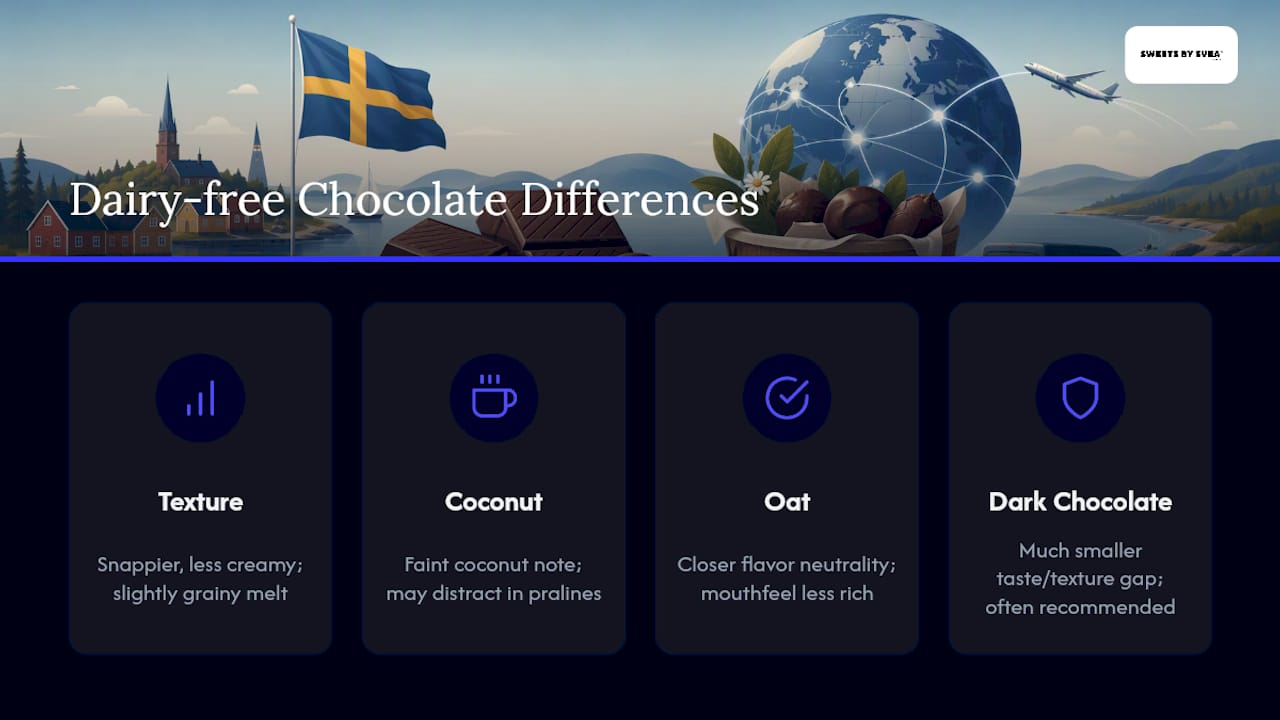
Texture is where dairy-free versions diverge most from traditional Swedish chocolate. Milk chocolate gets its smooth, almost melting mouthfeel from milk fat and milk powder, which coat the palate and round out cocoa’s natural bitterness. Strip that out, and a dairy-free bar built on cocoa butter alone tends to snap more cleanly and melt with a slightly grainier, less creamy finish, depending on the recipe.
Plant-based versions using oat milk, coconut milk, or rice-based fats try to close that gap. Coconut milk chocolate, for example, often carries a faint coconut note alongside the cocoa, which some shoppers love and others find distracting in a classic Swedish praline or truffle. Oat-based versions tend to land closer to traditional milk chocolate in flavor neutrality, though the mouthfeel is usually a touch less rich.
Dark chocolate sits in its own category here. Because traditional Swedish dark chocolate is often naturally low in dairy to begin with, the taste and texture gap between “regular” dark chocolate and a dairy-free dark chocolate is much smaller than it is for milk chocolate. That’s part of why dark chocolate gets recommended so often to new dairy-free shoppers, though it’s worth repeating: naturally low in dairy is not the same as guaranteed dairy-free, given the undeclared milk findings mentioned earlier.
If you’re ordering as a gift for someone with a strong preference either way, a smaller sampler pack lets you test the texture difference before committing to a full-size box.
What Should You Know About Nutrition in Dairy-Free Swedish Chocolate?
Removing dairy doesn’t automatically make chocolate lower in calories or sugar. Many dairy-free formulations swap milk fat for coconut oil, palm oil, or added cocoa butter, which can carry a similar or even higher fat content depending on the recipe. Sugar levels are set by the recipe, not by dairy status, so a dairy-free praline can easily match or exceed the sugar content of its milk-chocolate counterpart.
Where dairy-free chocolate does help is for people managing lactose intolerance or a milk-protein allergy, since avoiding mjölk, vassle, and kasein removes the specific triggers that cause digestive discomfort or an allergic reaction. It’s not a general health upgrade, though. A dairy-free label says nothing about added sugar, saturated fat from plant oils, or portion size.
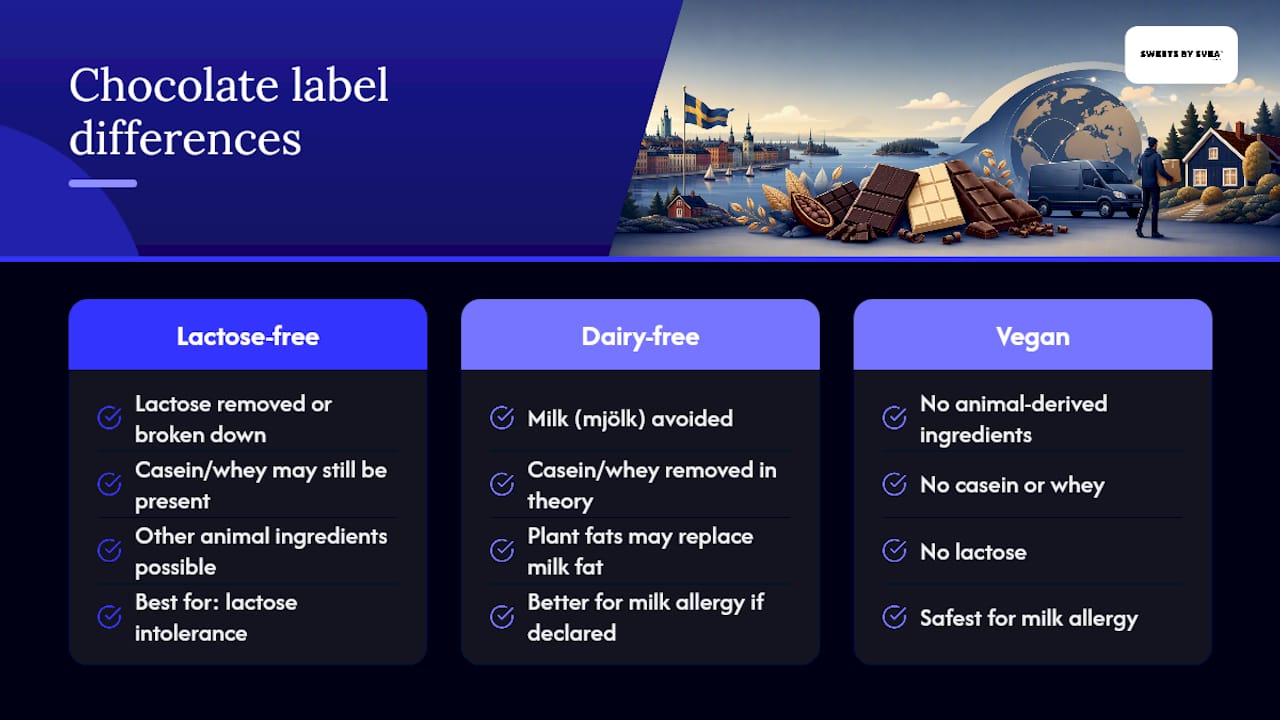
For anyone managing a milk allergy specifically, rather than a lactose sensitivity, the distinction matters more than most labels make clear. Lactose-free chocolate can still contain casein or whey protein, which trigger allergic reactions in people with true milk allergies even when lactose has been removed or broken down. Products explicitly labeled “vegan” or “dairy-free” with a clean allergen declaration are the safer bet for allergy management, while “lactose-free” alone is better suited to lactose intolerance. Reading the full panel, every time, is still the only reliable check.
Why You Can Reasonably Consider Sweets by Svea for This
Sweets by Svea’s catalog is built around authentic Swedish products delivered worldwide, with a stated commitment to ingredients free from GMOs, parabens, and high fructose corn syrup, plus freshness backed by 1 to 3 day delivery. That combination matters for expats who’ve had a Swedish chocolate order arrive stale or delayed from a slower international seller. Customer testimonials often highlight satisfaction with product quality and taste across such catalogs.
None of that replaces your own label check. A trusted retailer with fast shipping and clean sourcing standards still sells products made by dozens of different manufacturers, each with its own recipe. Inspect the ingredient panel on every order, and contact support directly for a written confirmation if a milk allergy is involved. Trust the retailer’s track record. Verify the specific product anyway.
— Sweets
Ready to Order Dairy-Free-Friendly Swedish Chocolate?
Sweets by Svea gives you something most Swedish candy sellers outside Sweden can’t match: a catalog built specifically for expats and international shoppers, with 1 to 3 day delivery instead of the two or three week wait you’ll often get ordering direct from a Swedish supermarket site. That speed matters when you’re trying to time a gift or keep chocolate fresh across a long shipping route.
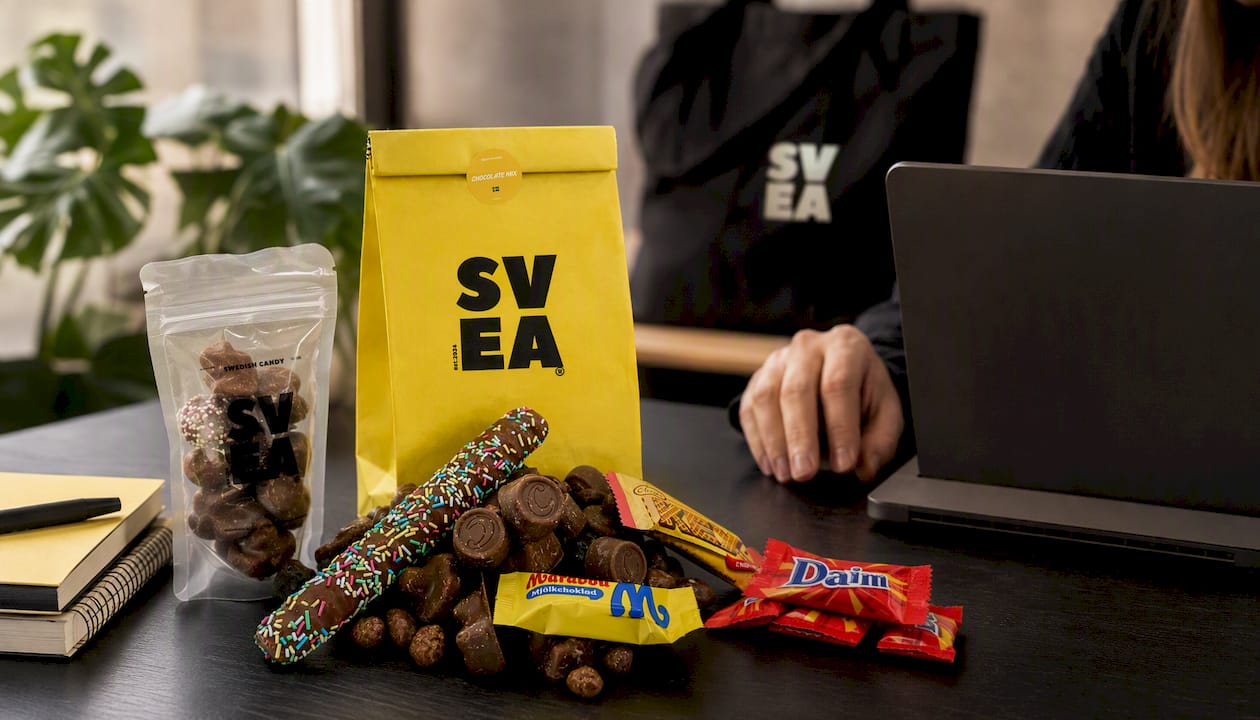
Start with the Chocolate Swedish Mix Medium 500g (17.63oz) if you’re stocking up or gifting, or try the Chocolate Swedish Mix Small 50g (1.76oz) first if you want to sample before committing. On either product page, check the ingredient panel, look for a precautionary allergen statement, and confirm delivery timing to your country. If you’re shopping around a milk allergy, contact Sweets by Svea’s customer support directly for ingredient confirmation before you place the order. Browse the full range of Swedish candy, snacks, and grocery items to build a box that fits your household.
Where to Verify Labeling and Allergy Rules Yourself
- Swedish National Food Agency: milk proteins and lactose for the legal definitions and labeling rules.
- Nordic control project risk assessment report for the undeclared-milk findings referenced above.
- A general primer on food quality standards and labeling for shoppers new to reading packaged food labels.
Sources
- Milk proteins and lactose — Swedish National Food Agency
- L 2022 nr 13 - Undeclared allergens in food - risk assessment guide — Swedish National Food Agency
FAQ
Is Swedish Chocolate Dairy-Free by Default?
No. Most traditional Swedish milk chocolate contains dairy, and even some dark chocolate can carry undeclared milk from shared production lines. Always check the ingredient panel rather than assuming based on chocolate type.
What’s the Difference Between Vegan, Dairy-Free, and Lactose-Free Labels?
“Vegan” means no animal products at all, “dairy-free” means no milk ingredients were added, and “lactose-free” only means the lactose sugar has been removed or broken down. A lactose-free product can still contain casein or whey protein, so it’s not safe for a true milk allergy.
Does Sweets by Svea Sell Dairy-Free Swedish Chocolate?
Sweets by Svea’s catalog includes a mix of dairy and dairy-free Swedish candy and chocolate, so the right approach is checking the ingredient list on each specific product page before ordering. The Chocolate Swedish Mix Small is a low-commitment way to sample options first.
How Long Does International Shipping Take?
Some retailers state delivery within 1 to 3 days, which can be faster than many international candy shipments. Confirm the specific timeline and any customs handling for your destination country before you order.
What Should I Do if My Order Doesn’t Match the Listed Ingredients?
Photograph the package and ingredient panel immediately, then contact the seller’s customer support before consuming or discarding the product. Follow the retailer’s stated returns process to resolve the discrepancy.