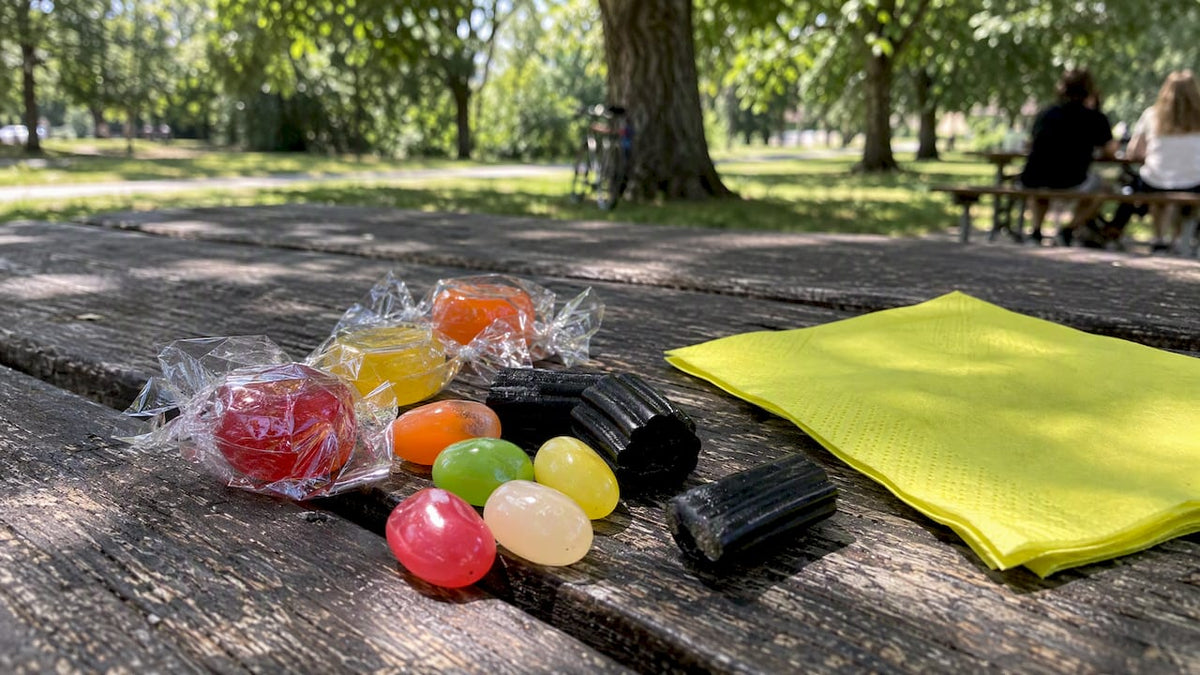

The short answer: match intensity first, then contrast. Mild, sweet licorice pairs with milk chocolate. Classic black licorice likes dark chocolate in the 70 to 85% range. Salty licorice (salmiak) is the wild card, and it often shines against something creamy, like white or milk chocolate, or against very dark chocolate if you want a bold bite. Below you’ll find the pairings we’d actually put on a plate, a few drinks to go with them, and a safety note on how much black licorice is sensible.
TL;DR
- Match strength to strength: gentle licorice with milk chocolate, black licorice with 70 to 85% dark chocolate.
- Salty licorice behaves differently. Try it with creamy chocolate for balance or with very dark chocolate for drama.
- Keep the portions small and the tasting order simple: chocolate, licorice, then both together.
- For drinks, aged spirits, strong coffee and dark beer suit chocolate and licorice better than light, sweet drinks.
- The FDA warns against eating large amounts of black licorice, especially for adults over 40. Treat it as a treat, not a snack bowl.
Table of Contents
- Why licorice and chocolate work together at all
- Know your licorice before you choose the chocolate
- Matching by chocolate type
- A tasting you can do at home in 20 minutes
- What to drink with licorice and chocolate
- How much is sensible: a safety note on black licorice
- Our perspective: pair for the occasion, not the rule
- Four pairings to try first
- Where to get the candy
- FAQ
- Sources
Why licorice and chocolate work together at all
On paper it looks odd. Chocolate is bitter, fatty and round. Licorice is herbal, sweet and sometimes sharp. In the mouth they do what many good pairs do: one softens what the other lacks. Chocolate’s cocoa butter coats the tongue and mellows licorice’s sharp edge, while licorice adds an aromatic lift that plain chocolate doesn’t have.
The usual food-science idea is that ingredients sharing aroma compounds taste good together. A large flavor-network study tested that idea across many cuisines, and it is a useful framework, but it is only part of the story. Some of the most memorable pairings work through contrast: bitter against sweet, creamy against salty, smooth against chewy. Licorice and chocolate sit in that second group.
There is also a practical reason. Fine chocolate is famously hard to pair because its bitter, slightly acidic, lingering profile overpowers delicate partners. Licorice is one of the few candy flavors strong enough to hold its ground.
Know your licorice before you choose the chocolate
“Licorice” covers very different candies, and the pairing changes with each. In Sweden, the range runs from soft and sweet to salty enough to make a first-timer wince.
| Licorice style | What it tastes like | Best chocolate partner |
|---|---|---|
| Sweet, mild (soft, lightly flavored) | Sweet, gentle anise or root note | Milk chocolate, or dark around 55 to 60% |
| Classic black (sweet, with real licorice-root flavor) | Earthy, herbal, dark sweetness | Dark chocolate, 70 to 85% |
| Salty (salmiak) | Salty, sharp, mineral, a tingle | Milk or white chocolate for balance; 85% for a bolder match |
| Licorice with a filling or coating | Depends on the center | Follow the coating, then pick a chocolate that doesn’t repeat it |
Salty licorice gets its character from salmiak, or ammonium chloride, a common confection in the Nordic countries. If you haven’t met it yet, our guide to Swedish salty licorice and how to try it is a gentle start, and our picks by salt level for U.S. buyers will keep you from jumping in at the deep end.
Food writers describe licorice itself as sweet, earthy, herbal and dark, with a whole other dimension once salt is involved. That range is exactly why one chocolate cannot suit all of it.
Matching by chocolate type

Milk chocolate: the friendly entry point
Milk chocolate is the easiest partner for sweeter, softer licorice. The dairy and sugar soften the licorice and turn the combination into something close to a caramel-and-herb flavor. If you are bringing licorice to someone who says they hate it, start here. Milk chocolate with a very mild piece is the least risky first step.
It also works with salty licorice for people who find salmiak aggressive. The creaminess takes the edge off while the salt makes the chocolate taste sweeter.
Dark chocolate, 55 to 70%: the balanced match
This is the sweet spot for classic black licorice. The chocolate has enough bitterness to stand up to the root, but enough sugar that the two don’t turn harsh together. A bar around 70% cocoa gives you roasted, slightly fruity notes against licorice’s herbal depth.
If you want a ready-made option for this tier, we stock Lindt Excellence Mild 70% dark chocolate bar, 100g. Break a square, take a small bite of licorice and let them melt together.
Dark chocolate, 85% and above: for the bitter-lovers
Very dark chocolate is dry, intense and not very sweet. Against that, a sweet licorice becomes the sugar in the pairing, and a salty one becomes a seasoning. This is the most grown-up combination and the one we’d offer people who already take their coffee black. Try Lindt Excellence 85% Cocoa, 100g with a piece of lightly sweetened black licorice and notice how the licorice rounds off the chocolate’s dryness.
White chocolate: the blank canvas
White chocolate has no cocoa bitterness, only sweetness and cream. That makes it a quiet backdrop for salmiak, whose saltiness and mineral edge come through clearly rather than competing with anything. It’s our favorite way to introduce salty licorice to a skeptic, and a common reason people find chocolate-coated salty licorice more approachable than the plain version.
A tasting you can do at home in 20 minutes
You don’t need special equipment. You need a few small pieces, a glass of water and a little patience.
- Pick three chocolates: one milk, one dark around 70%, one at 85% or more.
- Pick three licorices: one sweet and soft, one classic black, one salty.
- Taste each alone first. Let a small piece of chocolate melt, drink water, then try the licorice by itself so you know what each is doing.
- Combine them in two ways. Take the chocolate and licorice in one bite, then try chocolate first and licorice a few seconds later. The order changes the result more than you’d expect.
- Score the pairs. Note which ones felt balanced, which felt harsh and which surprised you. Most people find their favorite is not the one they expected.
Keep the pieces small. Strong flavors tire the palate quickly, and the third pairing always tastes different from the first if you are not rinsing in between.
What to drink with licorice and chocolate
Drinks can lift or ruin a good pairing. The guidance from chocolate specialists is consistent: go dark with both the chocolate and the drink. Light, crisp drinks tend to get flattened by cocoa.
- Aged spirits. Rum, brandy and whiskey aged in oak bring caramel, vanilla and wood notes. A Serious Eats guide notes that chocolates with caramel, vanilla, fruit and nuts suit aged spirits, and that logic carries over to chocolate-covered licorice. Choose smooth, rounded spirits over harsh or very tannic ones.
- Sherry. Sweet sherry styles echo the nuttiness of filled chocolates and the dark sweetness of licorice.
- Coffee. A strong black coffee is the simplest partner. Our piece on coffee and candy pairings with Swedish packs goes deeper, and it fits the Swedish fika habit well.
- Dark beer. Stout and porter share roasted notes with dark chocolate. Our guide to pairing licorice and beer covers the details.
- Cocktails. If you are mixing, watch the sugar. Licorice and chocolate are already sweet, so a cloying syrup tips the whole thing over. Bartenders’ notes on panela syrups for cocktails are a useful reference for building a drink that stays balanced rather than sugary.
For a non-alcoholic option, unsweetened black tea or a cold glass of milk both work. Milk does what it has always done with strong flavors: it calms them.
How much is sensible: a safety note on black licorice
Licorice root contains glycyrrhizin, and that is the part to respect. The FDA has warned that eating 2 ounces of black licorice a day for at least two weeks could land adults over 40 in the hospital with an irregular heart rhythm. The American Heart Association adds that large amounts can lower potassium and raise blood pressure, and that people on certain heart medications or diuretics should check with their doctor.
What that means at a tasting table:
- A few pieces alongside chocolate is a very different thing from a daily handful for weeks.
- If you are over 40, take heart medication, have high blood pressure or are pregnant, ask your doctor before making black licorice a regular habit.
- If you are building a candy display for an event or a gift box, include a mix of non-licorice options so no one feels pushed to eat more than they would choose.
- Check the label. U.S. rules cap glycyrrhizin in food, and the federal regulation on licorice and derivatives defines what counts as licorice extract and how it may be used.
None of this is a reason to avoid a small, well-chosen pairing. It is a reason to treat strong licorice as something you savor.
Our perspective: pair for the occasion, not the rule
We ship Swedish candy to people who grew up on it and to people who are meeting it for the first time, and the pattern repeats. Expats want the exact taste of a Saturday candy bag at home. Newcomers want a gentle way in. The pairing that serves each of them is different.

For the homesick, we’d say keep it simple: a bar of dark chocolate, a bag of the licorice you grew up with, and a coffee. You don’t need to fuss over cocoa percentages when the goal is a taste of home. For the curious, we’d say start sweet and creamy, then move toward dark and salty over a few sittings. Licorice is an acquired taste for many, and forcing the strongest piece first is how people decide they hate it.
For gifts and events, we’d build variety rather than intensity. A tray with one mild, one classic and one salty option, set beside three chocolates, lets guests find their own match, and it makes a better conversation than one bold candy that half the room avoids. We put our stock in products free from GMOs, parabens and high fructose corn syrup, and in getting them to you fresh, because a pairing is only as good as the candy in it. If you want guidance on how to keep licorice at its best once it arrives, our notes on storing licorice so it stays fresh and softening hard licorice will help.
— Sweets
Four pairings to try first
- Classic black licorice with 70% dark chocolate. Roasted, earthy and balanced. The safest serious pairing.
- Sweet, soft licorice with milk chocolate. Easy, rounded and good for sharing with kids and cautious adults.
- Salty licorice with milk or white chocolate. Creamy against salty, with the chocolate tasting sweeter for it.
- Salty licorice with 85% chocolate and a black coffee. The advanced version, for people who like their candy with an edge.
If you want more Swedish chocolate ideas beyond licorice, four rules for pairing Swedish chocolate, from fika to salmiak pushes the idea further. And to understand why this sort of candy matters so much at home, read why Scandinavians love salty licorice.
Where to get the candy
We sell Swedish candy, snacks, groceries, fika items and more, shipped worldwide with delivery in 1 to 3 days. For a first tasting, Swedish Fish Classic Black Licorice and Ahlgrens Bilar Limousines are on our shelves, and Candy Lovers Favorite is a good place to see a spread of what Swedes reach for. If you would rather have Sweden arrive regularly, take a look at the Home, Delivered Monthly option on our home page.

FAQ
What does black licorice taste good with?
Dark chocolate is the most dependable partner, especially in the 70 to 85% range. Strong coffee, dark beer and aged spirits also suit its earthy sweetness. Fruit, such as raspberries, works for people who like a sharper contrast.
What kind of liquor pairs well with chocolate-covered licorice?
Aged, rounded spirits such as rum, Cognac, brandy or a sherry-influenced whiskey are the usual choices, because their caramel, vanilla and wood notes echo the chocolate. Avoid harsh or very high-proof spirits, which tend to clash with the candy’s flavor. Drink it slowly and keep the portion of candy small.
Is salty licorice good with chocolate?
Yes, though it depends on your taste. Creamy milk or white chocolate softens salmiak’s bite, while very dark chocolate gives a more intense, grown-up match. Start with a small piece of salty licorice in a chocolate coating if you are new to it.
How much black licorice is too much?
The FDA’s warning concerns eating about 2 ounces a day for two weeks, with adults over 40 at greater risk. A few pieces during a tasting is a different matter, but anyone with heart or blood pressure concerns, or who takes relevant medication, should ask their doctor first.
Sources
- Chocolate Pairings: Perfect Matches with Wine, Spirits & Flavors
- Flavor network and the principles of food pairing
- Salty liquorice, Wikipedia
- What Is Licorice? And How to Use It in Cooking, Eater
- The art of pairing alcohol and chocolate, Cardenal Mendoza
- How to Pair Chocolate With Bourbon, Scotch, Rum, Tequila, and More, Serious Eats
- Don’t overdose on black licorice this Halloween, FDA warns, CBS News
- Black licorice is a candy that should inspire caution, American Heart Association
- 21 CFR 184.1408, Licorice and licorice derivatives
- Panela for cocktails, Zeste