
Swedish candy centers on five bold flavor pillars: salty salmiak, sharp sour fruit, foamy soft gummies, milk chocolate with caramel, and herbal mint pastilles. Texture ranges from chewy to airy to hard, and that texture shapes how intense each flavor feels. If you’re starting out, grab a bag of Ahlgrens Bilar and a mild fruity gummy before you go anywhere near salty licorice.
TL;DR:
- The most approachable Swedish candies for beginners are Ahlgrens Bilar and mild fruity gummies, which help acclimate to the five flavor pillars.
- Salmiak, the salty licorice flavor, uses ammonium chloride, producing a mineral, metallic taste that lingers more intensely than typical candy flavors.
- Sour gummies are coated in citric and malic acids, delivering a longer-lasting, sharper sourness than American equivalents.
- Swedish gummies typically use potato starch or pectin rather than gelatin, resulting in a firmer bite that amplifies sour or sweet flavors.
- Swedish candy relies on real sugar, natural colorings, and more cocoa butter, making its taste less sweet and more flavor-forward than American candy.
Table of Contents
- The Five Flavor Pillars Behind Swedish Candy Flavors
- Signature Candies Worth Knowing By Name
- How to Taste Your Way Through a Bag of Swedish Candy
- Why Swedish Candy Flavors Taste Different From American Candy
- Why Sweetsbysvea Knows Swedish Candy Ingredients Inside and Out
- Do Swedish Candy Flavors Change By Region?
- What Lösgodis Culture Tells You About Swedish Taste
- Build Your First Swedish Candy Sampler
- Sources
- FAQ
The Five Flavor Pillars Behind Swedish Candy Flavors
Every Swedish candy you come across fits into one of five families, and knowing them turns a chaotic pick-and-mix bin into something you can actually navigate. This taxonomy is the backbone of any solid Swedish candy flavor guide, and it’s how Swedes themselves tend to think about what they’re eating.
- Salmiak (salty licorice): Sharp, mineral, almost metallic, built on ammonium chloride rather than table salt. It lingers on the tongue in a way sugar candy never does.
- Sour fruit: Raspberry, apple, and mixed berry gummies coated in citric and malic acid, delivering a sourness that hits harder and lasts longer than most American sour candy, according to reporting from The Local.
- Foamy soft gummies: Airy, marshmallow-like texture with mild vanilla or fruit notes. Ahlgrens Bilar is the poster child here.
- Chocolate and caramel: Milk chocolate wrapped around buttery caramel, often using more cocoa butter than typical mass-market American bars.
- Herbal mints and pastilles: Cooling, slightly medicinal flavors, sometimes blended with a touch of salmiak for a savory edge.
The science behind each pillar matters. Salmiak’s bite comes from ammonium chloride, a compound your tongue reads as sharply different from sodium chloride, producing that tingling, almost umami-salty sensation, per EatHealthy365. Sour gummies lean on citric and malic acid blends for their punch, while the chewy texture in Swedish gummies usually comes from potato starch or pectin rather than gelatin, which gives them a firmer bite that actually intensifies how the sourness or sweetness reads on your palate.
Signature Candies Worth Knowing By Name
A handful of candies show up again and again in any popular Swedish sweets discussion, and each one teaches you something different about the flavor pillars above.
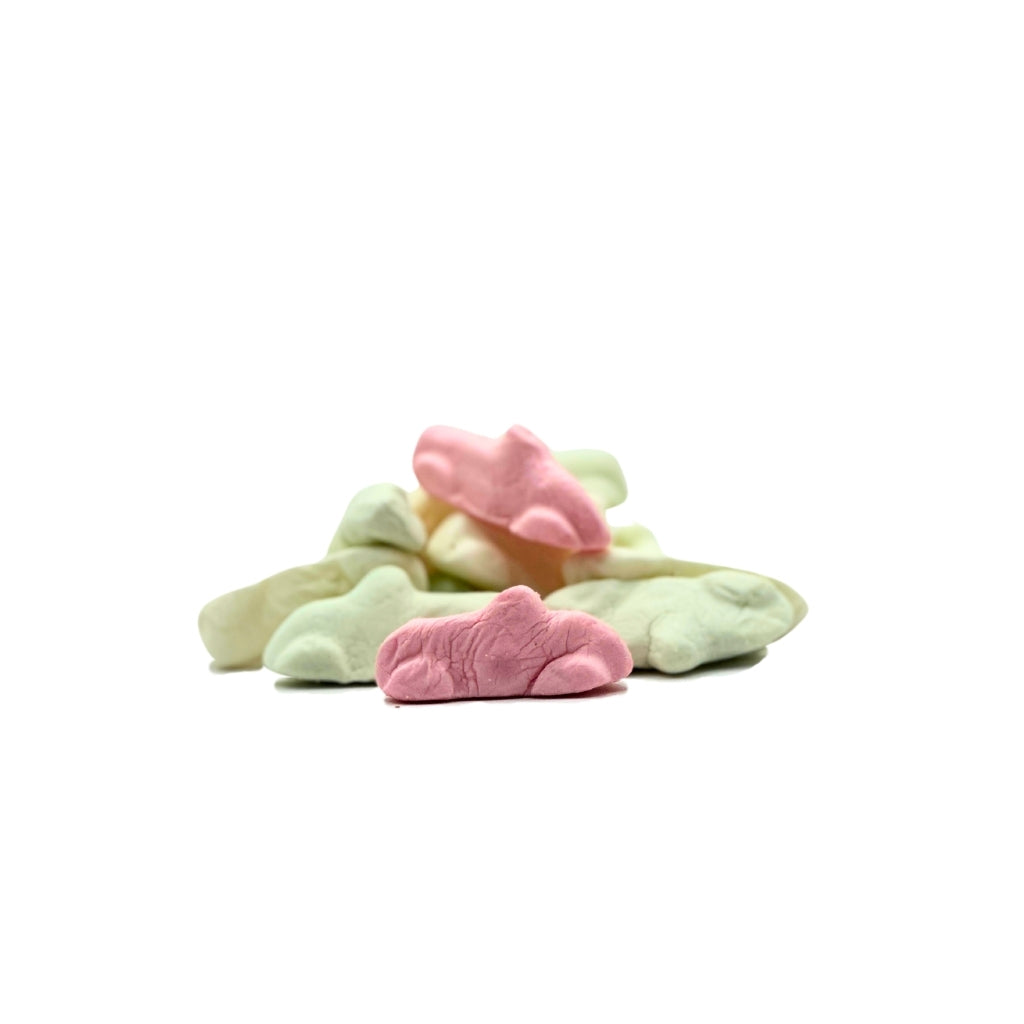
Ahlgrens Bilar are foam-gummy cars first produced in the 1950s, with a mild citrus-vanilla perfume and a soft, creamy texture. They are the single most approachable candy on this list. You’ll also find a salty licorice version and a sour version if you want to see how the same shape carries three completely different flavor pillars, from the salty liquorice cars to the sour sweets edition.
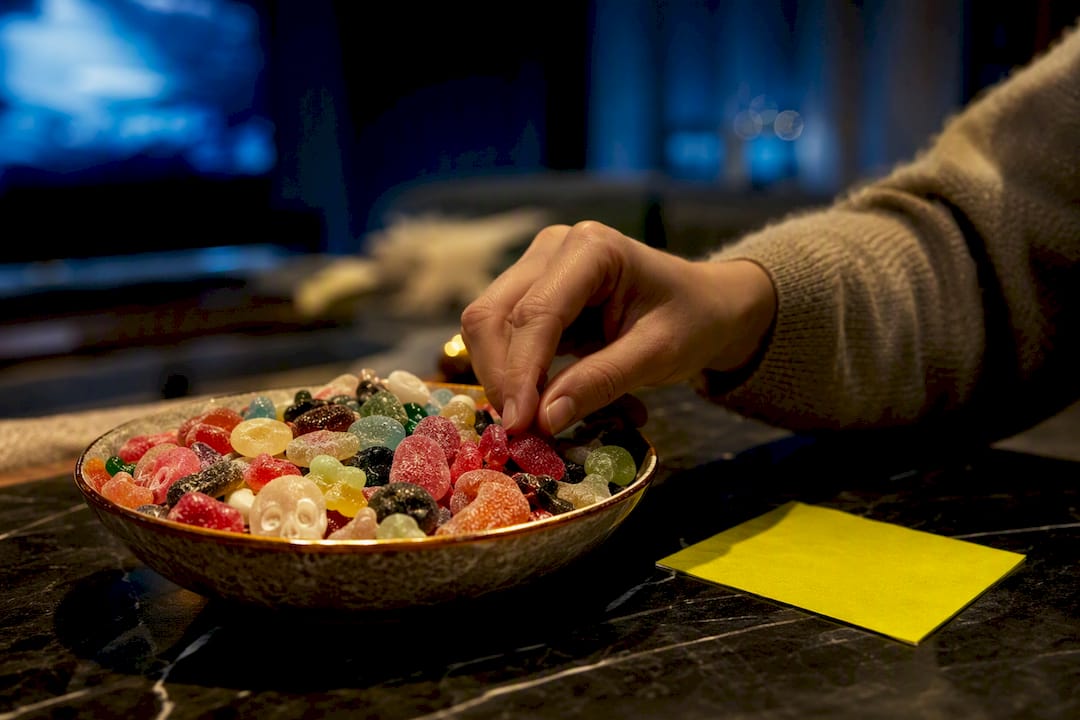
BUBS-style sour skulls represent the sour-fruit pillar at full intensity, often blending raspberry sweetness with a licorice edge in the same piece. Viral coverage of these skull-shaped candies has driven a lot of international curiosity in recent years, according to Tasting Table. You can find this combination in a raspberry-liquorice skull mix if you want to try both flavors in one bite.
Geléhallon are simple raspberry-flavored gelatin or pectin gummies, sugar-dusted and soft. This is about as gentle an introduction to Swedish gummy candy as exists.
Daim-style caramel chocolate wraps a brittle almond caramel core in milk chocolate, closer to a toffee crunch than a soft caramel.
Salty-sweet mixes combine sugared fruit pieces with small licorice bites, acting as a bridge for palates that aren’t ready for straight salmiak yet.
Pro Tip: If you’ve never had salty licorice, don’t start with a pure salmiak piece. Start with a salty-sweet mixed bag, so your palate gets a small dose alongside familiar sweetness instead of a full-strength shock.
How to Taste Your Way Through a Bag of Swedish Candy
Order matters more than most people expect. Going straight for the strongest salmiak piece in a mixed bag is the fastest way to swear off Swedish candy forever.
- Start with mild sour fruit gummies like raspberry Geléhallon to calibrate your palate.
- Move to foamy gummies such as Ahlgrens Bilar, which reset your palate with a gentler, creamier profile.
- Try chocolate and caramel pieces next, since fat and sugar mute lingering acidity from the sour stage.
- Sample mild licorice or salty-sweet mixes before anything labeled pure salmiak.
- Finish with stronger salmiak only once you’ve built up tolerance, and keep water nearby.
When buying a lösgodis-style pick-and-mix bag, watch the labels: “salmiak” or “saltlakrits” signals salty licorice, while “socker” just means sugar.
Why Swedish Candy Flavors Taste Different From American Candy
The taste difference isn’t imagination. It comes down to ingredients and manufacturing choices that EU producers tend to favor over the additives common in US candy.
- Sugar over high-fructose corn syrup: Swedish candy relies on real sugar, and HFCS is virtually absent from the category, according to SwedishCrave’s ingredient breakdown.
- Natural colorings: Fruit and vegetable concentrates replace many synthetic dyes.
- Potato starch or pectin instead of gelatin: This produces the firmer, chewier bite typical of Swedish gummies.
- More cocoa butter in chocolate: This gives bars a richer melt and a less waxy finish.
A quick fact worth remembering: EU manufacturing practices around natural colorants and real sugar are a major reason Swedish candy tastes less sweet and more flavor-forward than a lot of mass-market American candy, per SwedishCrave. Less added sweetness means the actual flavor, whether sour, salty, or herbal, comes through instead of getting buried under sugar.
Why Sweetsbysvea Knows Swedish Candy Ingredients Inside and Out
Sweets by Svea has spent years cataloging Swedish snacks and grocery items for expats and curious buyers who can’t just walk into a Swedish gas station and grab a bag. That catalog depth is what backs a guide like this one.
- Every product ships with a freshness and fast-delivery promise to offer timely delivery.
- The full catalog is curated to exclude GMOs, parabens, and high-fructose corn syrup.
- Related reading like the salty licorice guide and the ingredients and allergen guide go deeper into specific categories covered here.
- For a broader shortlist beyond this article, the best Swedish candy for American buyers roundup covers picks across every pillar.
Do Swedish Candy Flavors Change By Region?
Sweden isn’t flavor-uniform from north to south, even though national brands dominate store shelves everywhere. Coastal and southern regions, closer to fishing communities, have historically leaned into salty flavors more heavily, which partly explains why salmiak took root so deeply in the national palate rather than staying a niche product.
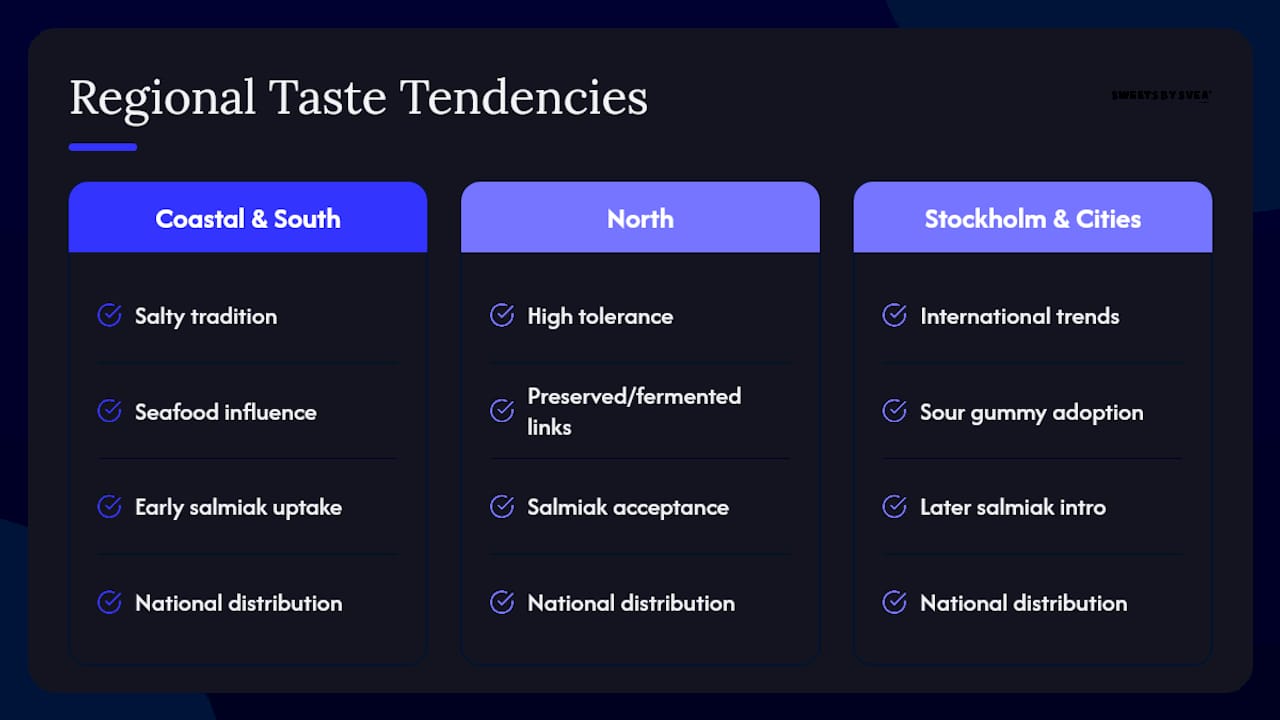
Northern Sweden, with its longer winters and stronger ties to preserved and fermented foods, tends to show more tolerance for intense, lingering flavors generally, salty licorice included. Stockholm and the bigger southern cities, meanwhile, have more exposure to international candy trends, which is part of why sour skull-shaped candies and viral gummy formats caught on there before spreading elsewhere.
None of this means you’ll find a “Stockholm flavor” versus a “Gothenburg flavor” on a store shelf. Distribution is national. But regional taste history still echoes in what sells fastest in different parts of the country, and in how early kids in different regions get introduced to salmiak. It’s less about geography dictating recipes and more about geography shaping which flavors a given community grew up trusting.
What Lösgodis Culture Tells You About Swedish Taste
Saturday candy, or “lördagsgodis,” taught generations of Swedes to build their own bag from bins of loose candy, one piece at a time. That habit is why lösgodis culture rewards curiosity: you’re never locked into one flavor, so sampling widely becomes second nature.
Salty and sour candies became national favorites partly because kids grow into them slowly. Many avoid straight salmiak young, then come around to it in their teens or later. That gradual arc is worth remembering. If your first piece of salty licorice doesn’t win you over, give it another try later. Explore the pillars on purpose, not just whatever’s closest in the bag.
— Sweets
Build Your First Swedish Candy Sampler
Reading about flavor pillars only gets you so far. Sweetsbysvea ships the real thing, fresh, in 1 to 3 days, with a catalog built specifically so U.S. buyers can taste their way through Swedish candy without guessing what they’re ordering.

A smart starter box follows the tasting order from earlier: something familiar like Swedish Fish to ease in, the classic Ahlgrens Bilar Limousines for the foamy-gummy pillar, and if you want the cultural side dish to go with your candy, the 10 Classic Swedish Recipes guide fills in the food context around fika and holiday traditions. Every item skips GMOs, parabens, and high-fructose corn syrup, so the flavor you’re tasting is the actual candy, not a sugar-and-additive stand-in. Build your sampler now and see which flavor pillar wins you over first.
Sources
- Popular Swedish Candy (Saveur)
- Swedish candy for beginners (SwedishCrave)
- Comparing popular Swedish candy flavors (EatHealthy365)
- From salt sill to sour skulls (The Local)
FAQ
What are the different BUBS flavors?
BUBS is best known for sour raspberry and licorice skull shapes, along with foam candies and mixed fruit gummies that lean into the sour-fruit and salmiak pillars covered above.
What is Sweden’s most popular candy?
Salty licorice (salmiak) is arguably the most nationally beloved flavor, but Ahlgrens Bilar is likely the single most recognized candy shape and the easiest starting point for newcomers.
What are the most popular BUBS flavors?
Sour raspberry and raspberry-licorice skull combinations tend to lead BUBS’s lineup, driven partly by social media attention on the skull-shaped format.
What is the best Swedish candy?
There’s no single answer since it depends on your palate, but Ahlgrens Bilar for foamy sweetness, Geléhallon for sour fruit, and a salty-sweet mix for easing into salmiak cover the main flavor pillars well.